
Understanding the Neurological and Physical Pain of Dental Extractions Without Anesthesia
How painful is tooth extraction without anesthesia? From a neurological and clinical standpoint, removing a tooth without any numbing agents causes profound, excruciating pain that typically registers as a 9 or 10 on a standard 10-point pain scale. Because human teeth are deeply connected to the highly sensitive trigeminal nerve network, severing the periodontal ligament and expanding the alveolar bone without a sensory blockade triggers an extreme trauma response. This level of unmitigated acute pain leads to massive spikes in heart rate, severe psychological distress, and a high risk of vasovagal syncope (fainting from shock). In 2026, modern dentistry strictly avoids unanesthetized procedures due to the extreme physical and emotional toll it exacts on the human body.
Key Takeaways
- Extreme Pain Levels: Unanesthetized tooth removal scores a 9 or 10 on the Visual Analog Scale (VAS) for pain.
- Neurological Impact: The 5th cranial nerve (trigeminal nerve) transmits intense trauma signals when dental ligaments are torn.
- Physiological Risks: Sudden, intense pain can cause dangerous spikes in blood pressure, heart rates exceeding 120 bpm, and physical shock.
- Modern Standards: Over 99% of dental extractions performed in 2026 utilize local anesthetics like lidocaine or articaine.
- The “Hot Tooth”: Severe infections can temporarily neutralize anesthetics, providing a painful glimpse into unanesthetized extractions, requiring advanced nerve blocks.
The Anatomy of Dental Pain: Why Extractions Hurt
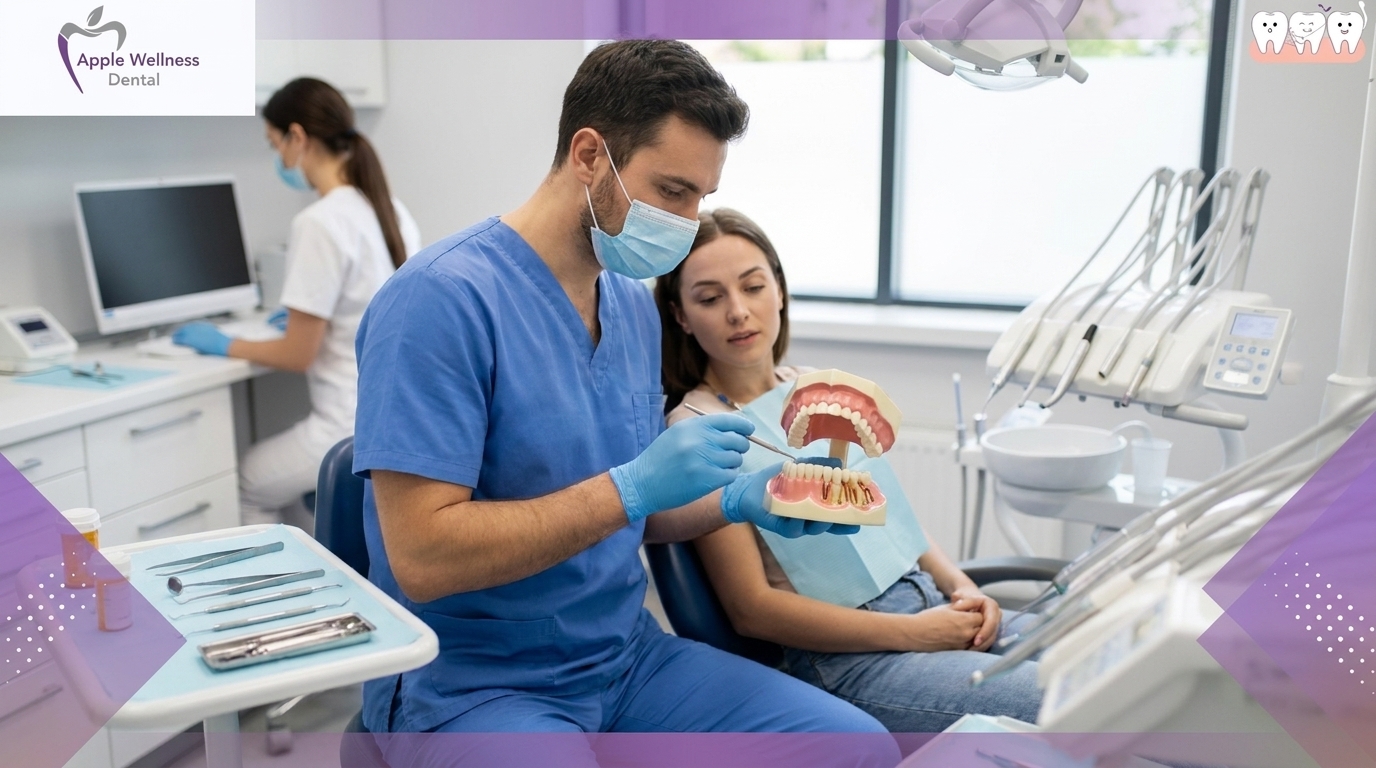
To fully understand the severity of dental pain, one must examine the complex anatomy of the human mouth. Teeth are not dead, solid objects; they are living tissues richly supplied with blood vessels and highly sensitive nerves. According to clinical literature published by the National Institutes of Health, the trigeminal nerve provides the primary sensory innervation to the maxillofacial region, making it exceptionally sensitive to mechanical trauma.
The dental pulp, located in the center of the tooth, contains two primary types of nerve fibers. A-delta fibers are responsible for transmitting sharp, immediate, and piercing pain signals, while C-fibers transmit dull, throbbing, and lingering aches. When a tooth is subjected to the massive physical pressure required to extract it, both sets of fibers fire simultaneously.
Furthermore, the tooth is anchored into the jawbone by the periodontal ligament (PDL). The PDL acts as a shock absorber during chewing but is heavily innervated with proprioceptors and nociceptors (pain receptors). The process of extraction requires a dentist to physically stretch and tear this ligament, while simultaneously expanding the surrounding alveolar bone. Without the chemical interruption provided by anesthetics, the brain registers this structural damage as severe, life-threatening trauma.
Historical Context: Dentistry Before the 1840s

Historically, humanity endured tooth extractions without local anesthesia for thousands of years. Before the mid-19th century, dental extractions were often performed by barbers, blacksmiths, or traveling “tooth-drawers.” The procedure was characterized by sheer speed and physical restraint rather than clinical precision.
Patients would typically be held down while the practitioner used rudimentary forceps or a “dental pelican” to force the tooth out of the socket. The pain was so universally feared that patients would routinely endure years of chronic, life-threatening dental infections rather than face the extraction chair. It was not until 1846, when William T.G. Morton successfully demonstrated the use of ether for surgical anesthesia, that a new era of painless dentistry began. Today, looking back at historical records provides a grim understanding of the human capacity to endure extreme acute pain.
The Physical and Psychological Toll of Extreme Acute Pain
Subjecting a conscious human to a major surgical trauma without pain control triggers an immediate, systemic “fight or flight” response. The sympathetic nervous system floods the bloodstream with adrenaline and cortisol.
Physiological Responses Include:
- Tachycardia and Hypertension: Heart rates can instantly spike to over 120 beats per minute, accompanied by a dangerous surge in blood pressure.
- Vasovagal Syncope: In some individuals, the extreme influx of pain signals overloads the nervous system. The vagus nerve overcompensates, causing a sudden drop in heart rate and blood pressure, leading the patient to faint or lose consciousness.
- Muscle Spasms: Severe pain causes involuntary muscle contractions, which makes safely executing a delicate dental procedure nearly impossible.
Beyond the physical danger, the psychological impact is profound. Medical trauma associated with forced procedures without adequate pain management can lead directly to post-traumatic stress responses and lifelong dental phobias. This is why the American Dental Association heavily emphasizes that effective pain management is a cornerstone of quality, ethical dental care.
Comparing the Extraction Experience: Anesthetized vs. Unanesthetized
The contrast between a modern, properly numbed procedure and one lacking anesthesia is staggering. Below is a clinical comparison of the two experiences.
| Clinical Factor | With Local Anesthesia (Modern Standard) | Without Anesthesia |
|---|---|---|
| Pain Scale (VAS 0-10) | 0 to 2 (Pressure only) | 9 to 10 (Excruciating) |
| Heart Rate Response | Normal resting rate (60-80 bpm) | Tachycardia (120+ bpm) |
| Procedural Duration | Average 20-40 minutes (patient is cooperative) | Highly variable (patient movement prevents safe work) |
| Psychological Impact | Minimal to mild anxiety | Severe medical trauma / Phobia development |
Why Would Anyone Consider Extraction Without Anesthesia?
Given the extreme pain involved, it is highly unusual for a patient or practitioner to opt for an unanesthetized procedure in 2026. However, there are a few rare clinical or situational edge cases where anesthesia might be delayed, limited, or refused:
- Severe Allergies: True allergies to amide local anesthetics (like lidocaine or articaine) are exceptionally rare—accounting for less than 1% of adverse dental reactions. Most perceived allergies are actually reactions to the epinephrine or preservatives (sulfites) in the injection. When true allergies exist, alternative sedation methods are used.
- Extreme Needle Phobia: Some patients suffer from severe trypanophobia (fear of needles) and erroneously believe that enduring the extraction will be faster and less traumatic than receiving the injection. Ethical dentists will not proceed without numbing and will instead recommend nitrous oxide (laughing gas) or oral sedation to administer the local anesthetic comfortably.
- Wilderness or Emergency Survival Settings: In deep wilderness or disaster zones without medical supplies, acute, life-threatening dental infections (abscesses that risk airway obstruction or sepsis) might necessitate an emergency extraction without proper nerve blocks.
The Pharmacology of Modern Pain Relief
Modern dental anesthetics represent a triumph of medical science. The World Health Organization classifies lidocaine as an essential medicine due to its profound ability to eliminate acute pain safely and effectively. But how do these drugs actually work?
Local anesthetics function through a mechanism called “sodium channel blockade.” When a nerve is stimulated, sodium channels in the nerve membrane open, allowing positively charged sodium ions to rush in. This electrical impulse travels up the nerve to the brain, which interprets the signal as pain. Anesthetics like Lidocaine (typically 2%) or Articaine (typically 4%) bind to the inside of these sodium channels, locking them shut. No sodium influx means no electrical signal is generated, and the brain remains completely unaware of the trauma occurring in the mouth.
In addition to the anesthetic agent, modern injections usually contain a vasoconstrictor, such as epinephrine. This constricts the local blood vessels, keeping the anesthetic concentrated around the tooth for a longer duration and significantly reducing bleeding during the extraction.
Step-by-Step: The Modern Tooth Extraction Process
When properly anesthetized, the modern extraction process is methodical, controlled, and heavily focused on patient comfort. Here is how a routine procedure unfolds in 2026:
- Topical Anesthetic: A highly concentrated benzocaine gel is applied to the gums with a cotton swab. This numbs the surface tissue so the patient barely feels the needle insertion.
- Local Infiltration or Nerve Block: The dentist administers the local anesthetic. For upper teeth, local infiltration near the tooth root is usually sufficient. For lower teeth, an inferior alveolar nerve block is often used to numb the entire quadrant of the jaw.
- Testing for Profound Anesthesia: The practitioner will gently probe the surrounding gums and ask the patient what they feel. The patient should feel deep pressure, but absolutely no sharp or scratching pain.
- Severing the Ligament: Using a specialized instrument called an elevator, the dentist gently severs the periodontal ligament and begins to expand the bony socket. The patient feels intense pressure, but no pain.
- Removal of the Tooth: Extraction forceps are used to grip the tooth. Through controlled, steady leverage, the tooth is lifted from the socket.
- Hemostasis and Recovery: The socket is cleaned, gauze is applied to form a blood clot, and the patient is given post-operative instructions.
What to Do If Local Anesthesia Fails: The “Hot Tooth”
Occasionally, a patient might experience severe pain during an extraction despite receiving an injection. This is often due to a clinical phenomenon known as “irreversible pulpitis” or a “hot tooth.”
When a tooth is severely infected and abscessed, the surrounding tissues become highly acidic. Local anesthetics are naturally alkaline (basic) compounds. The acidic environment of the infection rapidly neutralizes the anesthetic before it can penetrate the nerve membrane and block the sodium channels. In these cases, the tooth remains agonizingly sensitive.
If a dentist begins an extraction and the patient reports sharp pain, the procedure must stop immediately. Pushing through a “hot tooth” simulates the exact conditions of an unanesthetized extraction. To overcome this, dentists in 2026 employ advanced techniques: administering supplemental intraligamentary injections (directly into the root ligament), intraosseous injections (into the bone), prescribing a course of antibiotics to reduce the infection before attempting the extraction again, or utilizing IV sedation.
Frequently Asked Questions
Can a tooth be pulled without numbing it?
Physically, yes, but ethically and clinically, no. Pulling a tooth without numbing agents causes excruciating, traumatic pain that can lead to physical shock and severe psychological trauma. Standard medical protocols require adequate pain control.
How long does the pain last after a tooth is pulled without anesthesia?
The acute, severe pain of the extraction itself is immediate and subsides to a deep, throbbing ache shortly after the tooth is removed. However, the physical shock and trauma to the central nervous system can cause lingering systemic distress for hours or days, compounded by standard post-operative swelling and bone healing.
What did they do before novocaine was invented?
Before the invention of modern anesthetics (Novocain was introduced in 1905), patients relied on large doses of alcohol, opium derivatives, or physical restraint. The procedures were terrifying, incredibly painful, and performed as rapidly as possible to minimize the duration of the agony.
Is it illegal for a dentist to pull a tooth without anesthesia?
While “illegal” depends on specific jurisdictional laws, performing a highly painful surgical procedure without anesthesia against a patient’s best interests or standard medical protocols violates the core ethical guidelines established by dental regulatory boards. It is considered medical malpractice.
Can I refuse local anesthesia for an extraction?
A patient always has the right to refuse medical treatment. However, an ethical dentist will universally refuse to perform a traumatic surgical procedure like an extraction without anesthesia, as doing so violates the principle of “non-maleficence” (do no harm).
Conclusion
The human nervous system is not equipped to peacefully handle the profound trauma of bone expansion and nerve severing. The pain of undergoing a dental extraction without numbing agents is extreme, scoring at the absolute top of medical pain scales. Fortunately, thanks to centuries of medical advancement, no patient in 2026 ever has to endure such agony. With a combination of topical gels, advanced amide anesthetics, and various sedation options, modern dental extractions are remarkably comfortable, safe, and controlled procedures. If you are experiencing severe dental pain, delaying treatment will only make the situation worse. We prioritize your comfort and safety above all else. Contact us today to schedule an evaluation and experience modern, pain-free dental care.
References
- American Dental Association (ADA) – Guidelines on pain management and local anesthesia.
- National Institutes of Health (NIH) – Neurological pathways of the trigeminal nerve and dental pulp innervation.
- World Health Organization (WHO) – Classification of lidocaine as an essential medical medicine for acute pain control.
- Centers for Disease Control and Prevention (CDC) – Infection control and patient safety in dental settings.