
The Complete 2026 Guide to Dental Extraction Costs, Procedures, and Recovery
How much for tooth extraction is one of the most common questions patients ask when facing dental pain, severe decay, or orthodontic overcrowding. In 2026, the cost of removing a tooth typically ranges from $150 to $300 for a simple extraction, while complex surgical extractions, such as impacted wisdom teeth, can cost anywhere from $300 to over $800 per tooth. The final out-of-pocket expense depends heavily on the position of the tooth, the type of anesthesia administered, the geographic location of the clinic, and the specifics of your dental insurance plan.
Key Takeaways
- Base Costs: Simple extractions generally cost between $150 and $300, while surgical extractions range from $300 to $800+ in 2026.
- Anesthesia Fees: Local anesthesia is usually included in the extraction fee, but IV sedation or general anesthesia can add $300 to $600 per hour.
- Wisdom Teeth: Removing all four wisdom teeth in a single surgical session typically costs between $1,500 and $3,000 before insurance.
- Insurance Coverage: Most standard dental insurance policies cover between 50% and 80% of extraction costs, categorized under basic or major restorative care.
- Hidden Costs: Diagnostic imaging (X-rays, CBCT scans) and socket preservation (bone grafting) will increase the total invoice.
Types of Dental Extractions and Their Baseline Costs
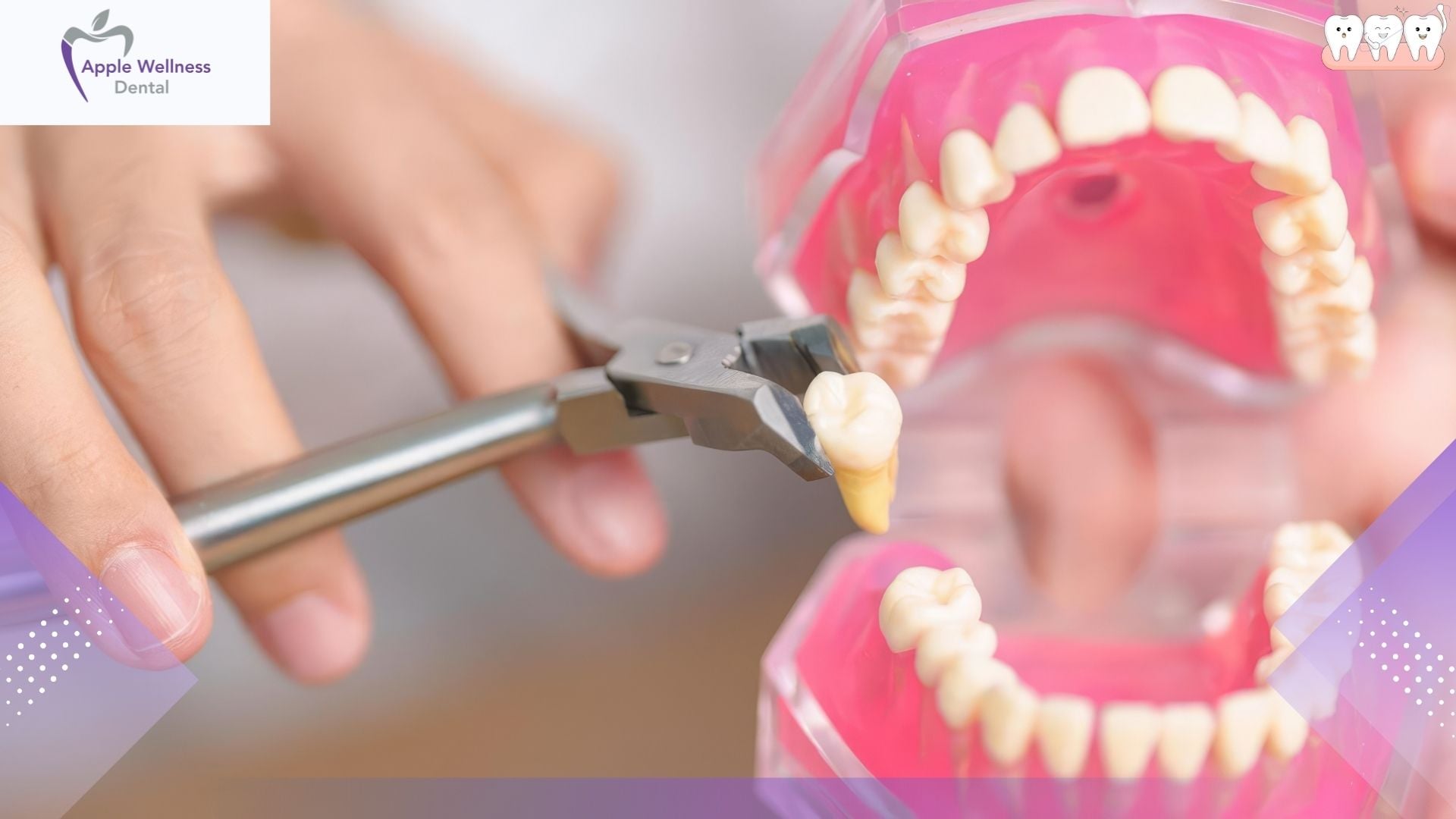
Understanding the clinical difference between extraction types is the first step in estimating your dental bill. Dentists classify extractions into two primary categories based on the anatomical presentation of the tooth and the surgical access required. The complexity of the procedure is the primary driver of the final cost.
Simple Extractions
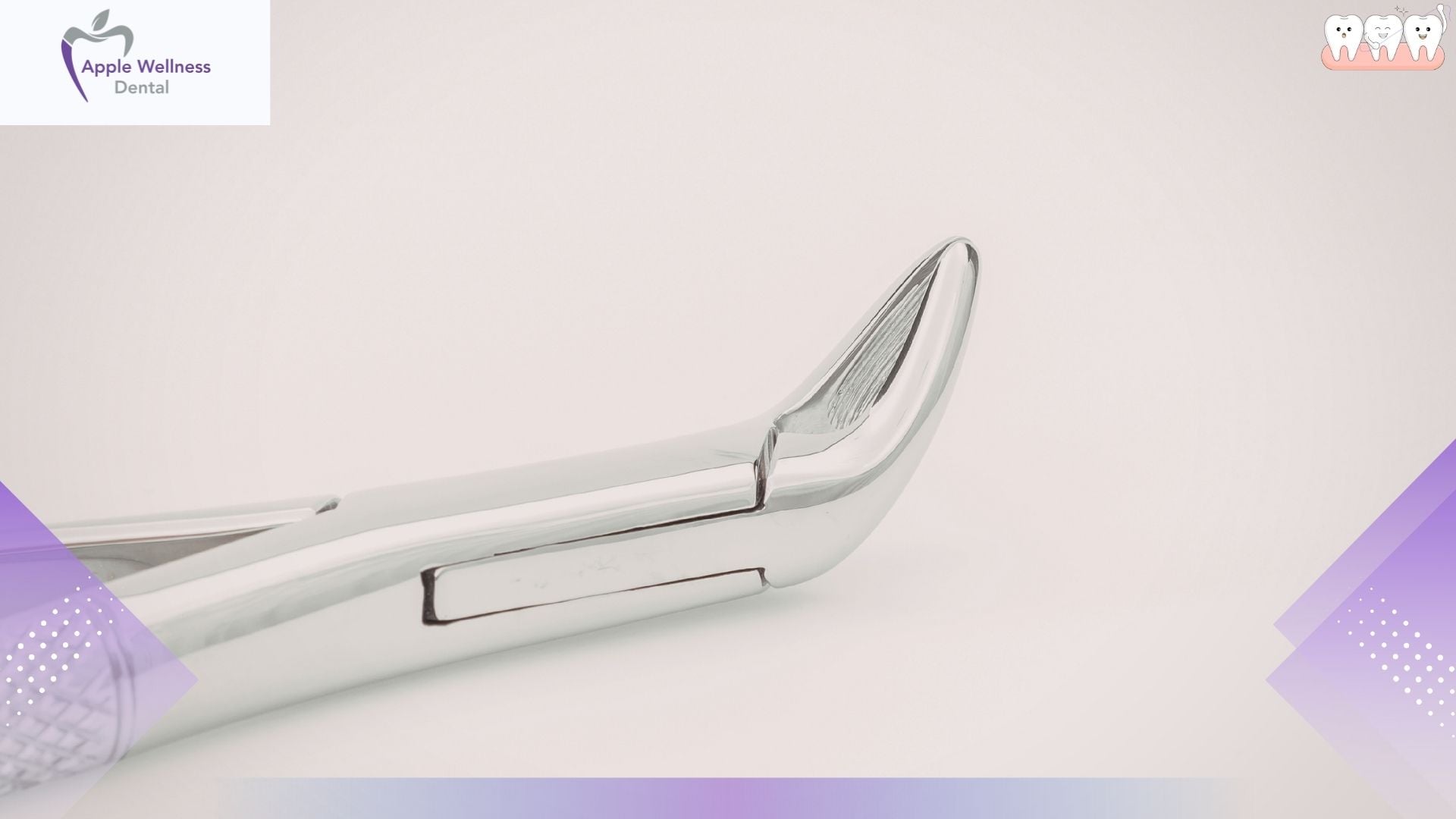
A simple extraction is performed on a tooth that is fully erupted and visible above the gum line. According to clinical data from the American Dental Association, these procedures are generally straightforward and require only local anesthetic. The dentist uses an instrument called an elevator to loosen the tooth and dental forceps to remove it safely. Because no incisions into the gingival tissue are necessary, the procedure is relatively quick. In 2026, the average cost for a simple extraction remains highly affordable, generally falling between $150 and $300.
Surgical Extractions
When a tooth is broken below the gum line, features curved roots, or is fully impacted within the jawbone, a surgical extraction is required. This procedure, technically termed an odontectomy, involves making an incision into the gums and often removing bone around the tooth. The tooth may also need to be sectioned (cut into smaller pieces) for safe removal. Surgical extractions demand more clinical time, specialized equipment, and advanced expertise, pushing the cost to between $300 and $800.
| Type of Extraction | 2026 Estimated Cost Range | Description |
|---|---|---|
| Simple Extraction | $150 – $300 | Fully erupted tooth, removed with forceps under local anesthetic. |
| Surgical Extraction (General) | $300 – $600 | Requires gum incision, tooth sectioning, or minor bone removal. |
| Wisdom Tooth (Soft Tissue Impaction) | $350 – $550 | Covered by gum tissue, requiring incision and flap creation. |
| Wisdom Tooth (Bony Impaction) | $500 – $800+ | Trapped in the jawbone, requiring extensive surgical intervention. |
Factors Influencing the Cost of Tooth Removal
The quoted price for exodontia is rarely a flat fee. Multiple variables dictate the final invoice. As Dr. Sarah Jenkins, Chief Clinical Officer at DentalHealth Network, explains: “The precise cost of an extraction depends heavily on the root morphology, the proximity to vital structures like the inferior alveolar nerve, and whether the tooth is fully erupted or deeply impacted.”
General Dentist vs. Oral and Maxillofacial Surgeon
While general dentists are fully qualified to perform simple and many surgical extractions, complex cases—such as full bony impactions—are often referred to an oral and maxillofacial surgeon. Specialists possess advanced surgical training and operate in facilities equipped for deep sedation. Consequently, their fees are generally 20% to 40% higher than those of a general practitioner. This premium reflects their specialized expertise and the reduced risk of surgical complications.
Location and Provincial Fee Guides
Geographic location plays a massive role in dental economics. In North America, regulatory bodies and dental associations publish annual fee guides. For example, the Canadian Dental Association and various provincial bodies release fee recommendations that clinics use as a baseline. Urban centers with high commercial real estate costs typically charge at the upper end of these fee guides, whereas rural practices may offer more conservative pricing. It is a statistical reality that patients in major metropolitan areas pay roughly 15% more for dental surgery than those in suburban regions.
Anesthesia and Sedation Options
Pain management is a non-negotiable aspect of dental surgery, and your choice of sedation will significantly impact the cost.
- Local Anesthesia: Numbing the immediate area with an injection (e.g., Lidocaine). This is almost always included in the base extraction fee.
- Nitrous Oxide (Laughing Gas): Offers mild relaxation and typically costs an additional $75 to $150 per session.
- Oral Conscious Sedation: Prescribed anti-anxiety medication taken prior to the appointment. Costs range from $50 to $150.
- Intravenous (IV) Sedation: Provides deep relaxation where the patient remembers little to nothing of the procedure. Administering IV sedation requires specialized monitoring equipment and training, adding $300 to $600 per hour to the total bill.
Wisdom Teeth Removal: A Specialized Category
Third molars, commonly known as wisdom teeth, represent a unique category of extractions. Research from the World Health Organization indicates that up to 85% of adults will require the removal of at least one wisdom tooth during their lifetime due to insufficient space in the dental arch. Wisdom teeth frequently become impacted, meaning they grow at an angle (mesial or angular impaction) and fail to erupt through the gums. This condition can lead to pericoronitis, a painful infection of the surrounding gingival tissue.
The cost of wisdom teeth removal is tiered based on the level of impaction. An erupted wisdom tooth is treated as a simple extraction ($150 – $300). A soft tissue impaction, where the tooth is covered only by gums, costs between $350 and $550. A partial bony impaction involves the tooth being partially encased in the jawbone, while a full bony impaction means the tooth is entirely trapped within the alveolar bone. Full bony impactions are the most complex, requiring significant surgical time, and can exceed $800 per tooth.
Understanding Dental Insurance and Out-of-Pocket Expenses
Navigating dental insurance benefits is crucial for managing your financial responsibility. In 2026, most dental insurance plans categorize tooth extractions as either “basic restorative” or “major restorative” procedures. Simple extractions typically fall under basic care, which standard policies usually cover at 70% to 80%. Surgical and wisdom teeth extractions may be classified as major procedures, often covered at only 50%.
Dr. Elena Rostova, a prominent Dental Insurance Analyst, advises patients to check their limits carefully. “Understanding your annual maximums is crucial. If your plan has a $1,500 annual limit, and you require all four impacted wisdom teeth removed under IV sedation, you will likely exhaust your coverage and face significant out-of-pocket costs,” she notes.
Furthermore, patients must be aware of deductibles and waiting periods. Many employer-sponsored plans have a 6 to 12-month waiting period for major surgical interventions if you are a new enrollee. Always request a “pre-determination of benefits” from your dental office before proceeding with non-emergency surgery to get an exact breakdown of what your insurance will pay.
Step-by-Step: The Tooth Extraction Process
Understanding the clinical workflow can alleviate anxiety and help justify the costs associated with the procedure. The extraction process in 2026 relies on highly precise, minimally invasive techniques.
- Diagnostic Imaging and Consultation: Before any surgery, the dentist must take a periapical X-ray, a panoramic radiograph, or a 3D Cone Beam Computed Tomography (CBCT) scan. This maps the exact location of the tooth roots relative to nerves and sinus cavities. Diagnostic imaging can add $50 to $250 to your initial consultation.
- Administration of Anesthesia: Depending on the agreed-upon treatment plan, the clinician will administer local anesthetic, nitrous oxide, or IV sedation to ensure complete comfort.
- The Extraction: The surgeon carefully severs the periodontal ligaments holding the tooth in place. For surgical cases, incisions are made, and the tooth is elevated out of the socket.
- Socket Preservation (Bone Grafting): Dr. James Harrison, an expert Periodontist, emphasizes this step: “The preservation of the alveolar ridge immediately following an extraction is vital if the patient plans to receive a dental implant later.” Placing bone grafting material into the empty socket prevents bone resorption but adds $250 to $500 to the total cost.
- Suturing and Hemostasis: The surgeon will clean the socket, place a hemostatic agent if necessary to encourage blood clotting, and close the surgical site with dissolvable sutures.
Post-Extraction Aftercare and Hidden Costs
The financial commitment doesn’t necessarily end the moment you leave the dental chair. Proper aftercare is required to prevent complications that could lead to additional medical bills. Patients should budget for prescription medications, including antibiotics (if an active infection was present) and prescription pain relievers, which typically cost between $20 and $60 depending on your pharmacy coverage.
One of the most common post-operative complications is alveolar osteitis, commonly known as a dry socket. This occurs when the protective blood clot at the extraction site fails to form or is prematurely dislodged, exposing the underlying bone and nerves. Statistical data shows that dry socket occurs in 2% to 5% of all extractions, but the risk jumps to 20% for lower wisdom teeth. Treating a dry socket requires a follow-up visit for the dentist to irrigate the area and pack it with medicated dressing. While many clinics include this in the surgical fee, some may charge an emergency visit fee ranging from $75 to $150.
Frequently Asked Questions
Is a tooth extraction painful?
During the procedure, you will not feel pain due to the local anesthesia, though you may feel strong pressure. Post-operative discomfort is normal for 48 to 72 hours, but it is highly manageable with over-the-counter anti-inflammatories or prescribed medication.
Can I go to work after having a tooth pulled?
For a simple extraction under local anesthesia, many patients return to work the same or the next day. However, for surgical extractions or procedures involving IV sedation, it is strictly recommended to take at least 48 to 72 hours off to rest and recover.
Does dental insurance cover the cost of bone grafting?
Historically, many insurance plans viewed bone grafting as an elective procedure linked to future implant placement. However, by 2026, more plans recognize it as a standard standard of care for ridge preservation, covering it at 50%. You must verify this directly with your provider.
What happens if I delay extracting a severely decayed tooth?
Delaying extraction can lead to severe systemic infections, the formation of dental abscesses, and the spread of decay to adjacent healthy teeth. Furthermore, an infected tooth can cause bone loss in the jaw, making future restorative treatments much more complicated and expensive.
Are there cheaper alternatives to tooth extraction?
Actually, extraction is generally the cheapest immediate option for dealing with a severely compromised tooth. The alternative to extracting an infected tooth is usually a root canal and a dental crown, which aims to save the tooth but can cost between $1,500 and $3,000.
How soon can I get a dental implant after an extraction?
If there is sufficient healthy bone and no active infection, an immediate implant can sometimes be placed on the same day. However, the standard protocol is to allow the extraction site and bone graft to heal for 3 to 6 months before placing the titanium implant post.
Conclusion
Understanding the costs associated with dental extractions empowers you to make informed decisions about your oral health and financial planning. Whether you require a routine simple extraction or complex surgical intervention for impacted wisdom teeth, knowing the baseline costs in 2026, the variables of anesthesia, and the scope of your insurance coverage ensures you won’t be caught off guard by unexpected medical bills. Delaying necessary dental surgery often leads to more severe complications and higher expenses down the road. If you are experiencing dental pain or have been advised to have a tooth removed, it is time to consult with an expert team to review your specific clinical needs. Contact us today to schedule a comprehensive evaluation and receive a transparent, personalized estimate for your care.