
The Ultimate Guide to Eating Ice Cream Post-Extraction: Healing Safely
Can I eat ice cream after wisdom tooth extraction? Yes, enjoying a smooth, soft bowl of ice cream is widely recommended by dental professionals immediately following oral surgery. The cold temperature acts as a natural anesthetic, soothing inflamed tissues, while the high-calorie content provides necessary energy when you cannot chew solid foods. However, the type of ice cream you choose, how you eat it, and when you consume it can dictate whether your recovery is smooth or plagued by complications like alveolar osteitis (dry socket).
Key Takeaways for Your Post-Op Diet
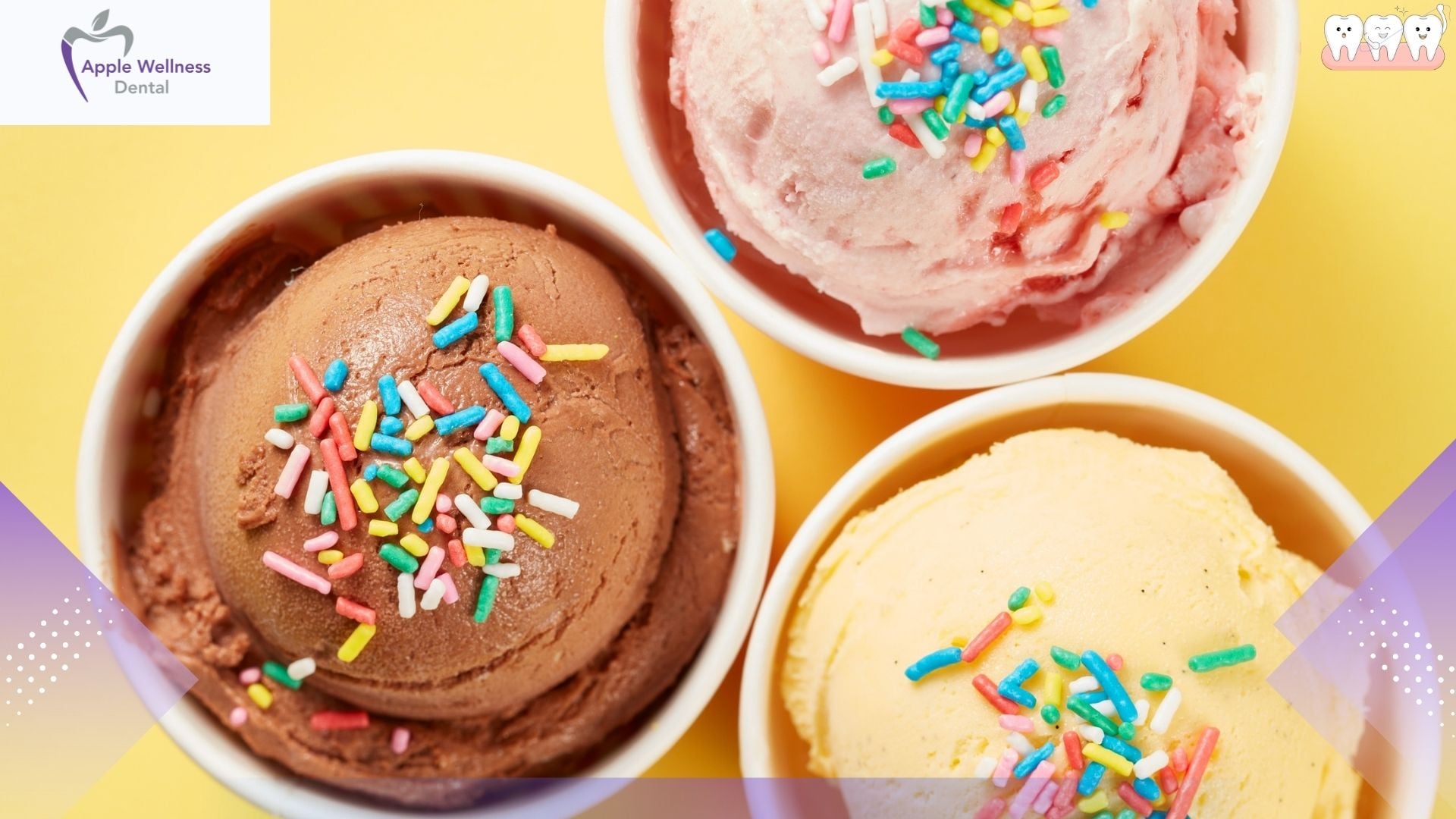
- Stick to Smooth Textures: Vanilla, plain chocolate, and smooth fruit sorbets are safe. Avoid nuts, caramel ribbons, candy chunks, or cones.
- Never Use a Straw: The suction required to drink a melted ice cream shake can dislodge the surgical blood clot, leading to painful dry socket.
- Temperature Matters: Extremely cold ice cream can cause brain freeze or shock sensitive neighboring teeth; let it soften for a few minutes before eating.
- Maintain Oral Hygiene: Sugar promotes bacterial growth. Always follow your dessert with a gentle warm salt water rinse (after the first 24 hours).
- Watch for Dairy Sensitivities: Antibiotics prescribed post-surgery can upset your stomach; consider dairy-free alternatives if you experience nausea.
The Science Behind Cold Foods and Post-Operative Healing
After a surgical tooth extraction, the body initiates a complex inflammatory response to begin the healing process. Fibroblasts and osteoblasts flood the surgical site, and a critical blood clot forms over the empty socket. Research from the American Association of Oral and Maxillofacial Surgeons indicates that postoperative edema (swelling) typically peaks between 48 and 72 hours.
Introducing cold therapy—both externally via ice packs and internally via cold foods like ice cream—induces localized vasoconstriction. Vasoconstriction narrows the blood vessels, which slows blood flow to the immediate area. This reduction in blood flow significantly limits the amount of fluid that leaks into the surrounding tissues, thereby reducing severe swelling and blunting the transmission of pain signals to the brain.
As Dr. Louis Rafetto, a prominent oral surgeon and Past President of the American Association of Oral and Maxillofacial Surgeons, explains: ‘Maintaining a soft diet that includes cold items like plain ice cream is highly beneficial in the first 24 to 48 hours, as the cold helps minimize localized swelling while providing necessary caloric intake during the initial recovery phase.’
What Types of Ice Cream Are Safe?
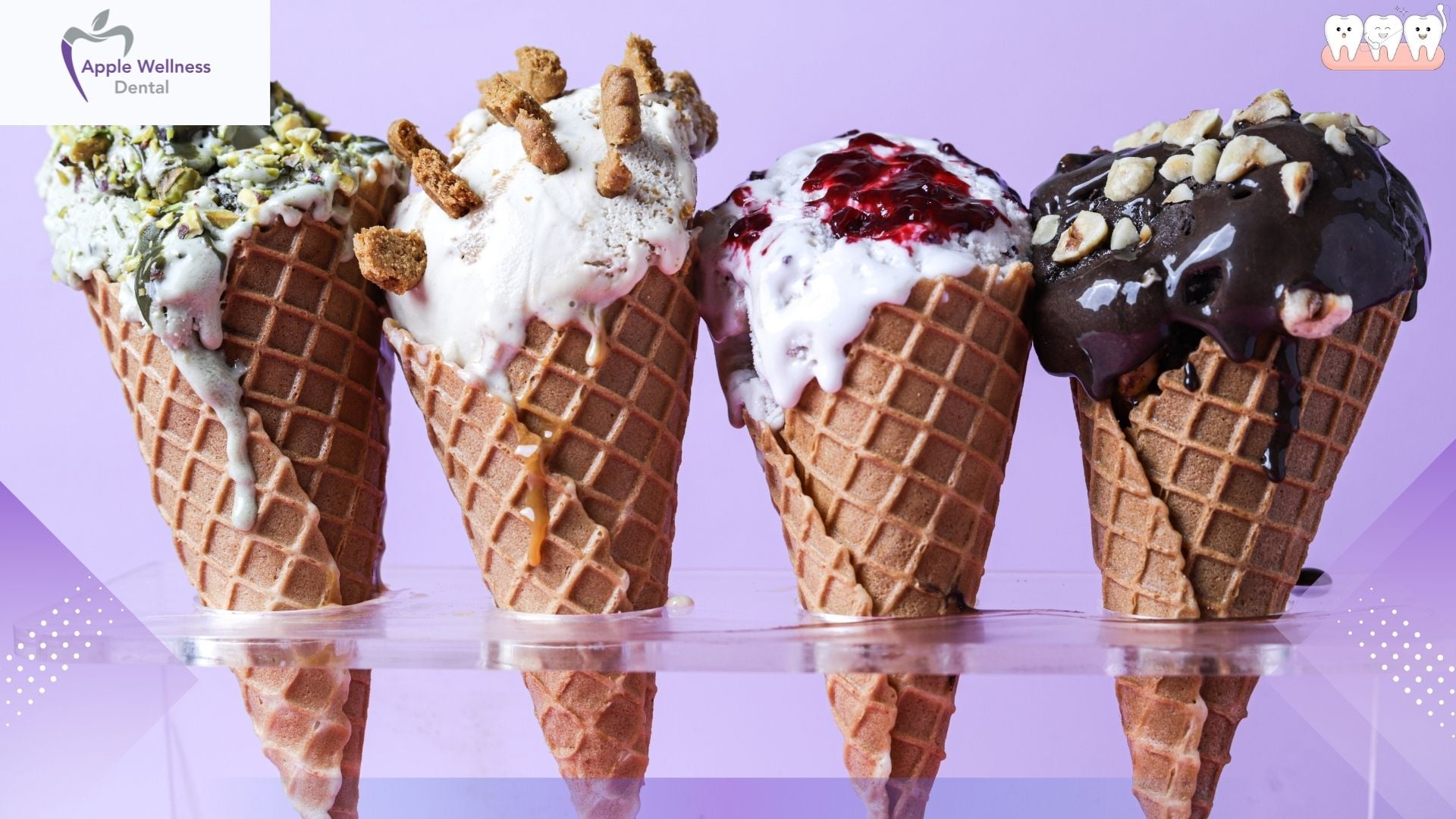
Not all frozen treats are created equal when it comes to oral surgery recovery. A common mistake patients make is choosing flavors with hard mix-ins. Tiny particles from nuts, seeds, or cookie dough can easily become trapped in the deep crevices of an extraction site. This not only causes immense pain but provides a breeding ground for bacterial infections.
| Safe Ice Cream Options (Smooth) | Dangerous Options (To Avoid) |
|---|---|
| Classic Vanilla or Chocolate | Rocky Road (contains nuts/marshmallows) |
| Smooth Mango or Raspberry Sorbet (Seedless) | Mint Chocolate Chip (hard chocolate flakes) |
| Dairy-Free Coconut Milk Ice Cream | Cookies and Cream (cookie crumbs) |
| Soft Serve (served in a cup) | Any flavor served in a waffle or sugar cone |
Step-by-Step: How to Safely Eat Ice Cream After Surgery
Even with a safe flavor, the physical mechanics of eating must be altered to protect the delicate hemostasis (blood clotting) occurring in your jaw. Follow these steps for the first 3 to 5 days post-extraction:
- Let it soften: Remove the ice cream from the freezer and let it sit at room temperature for 5 to 10 minutes. It should have a soft, pudding-like consistency that requires zero chewing force.
- Use a small spoon: Never eat directly from a massive tub, as this encourages taking large, unmanageable bites. Use a teaspoon to place small amounts directly onto your tongue.
- Swallow gently: Allow the ice cream to melt slightly on your palate, then swallow. Do not swish the ice cream around your mouth, as the physical turbulence can disturb the extraction sites.
- Never use a straw: If your ice cream melts into a milkshake, continue using a spoon. Intraoral negative pressure created by sucking through a straw is the leading behavioral cause of dry socket.
- Rinse carefully afterward: The American Dental Association recommends maintaining strict oral hygiene post-surgery. However, for the first 24 hours, do not rinse at all. After 24 hours, use 1/2 teaspoon of salt dissolved in 8 ounces of warm water to gently bathe the area, tilting your head rather than vigorously swishing.
Understanding the Risk of Dry Socket
Alveolar osteitis, commonly known as dry socket, occurs when the blood clot protecting the exposed bone and nerve endings is prematurely dissolved or dislodged. According to clinical data published in the Journal of the American Dental Association, dry socket affects approximately 1% to 5% of all routine tooth extractions. However, this incidence rate skyrockets to as high as 38% for impacted mandibular third molars (lower wisdom teeth).
Eating hard ice cream mix-ins, using a straw, or aggressively rinsing away the sugary residue can all trigger this agonizing condition. Symptoms of dry socket usually appear on the third or fourth day post-surgery and present as a deep, throbbing pain radiating to the ear, accompanied by a foul taste or odor in the mouth.
Dairy Considerations and Antibiotics
While ice cream is a fantastic comfort food, patients must consider their medication interactions. Most oral surgeons prescribe a course of prophylactic antibiotics, such as Amoxicillin or Clindamycin, alongside pain relievers. Antibiotics are known to disrupt the gut microbiome, which can temporarily reduce your ability to digest lactose efficiently.
If you experience nausea, bloating, or diarrhea, standard dairy ice cream may exacerbate these gastrointestinal side effects. As of 2026, the market offers exceptional plant-based alternatives. Oat milk, almond milk, and coconut milk frozen desserts provide the exact same cooling, soft-texture benefits without the heavy lactose load. Sorbets are another excellent dairy-free option, provided they are completely smooth and free of strawberry or raspberry seeds.
Alternative Soft Foods for Wisdom Tooth Recovery
You cannot survive solely on dessert. While frozen treats provide initial relief, your body requires essential vitamins and proteins to synthesize new tissue and fight off potential pathogens. To maintain a balanced soft-food diet, integrate the following nutritional staples into your recovery plan:
- Greek Yogurt: High in protein and probiotics, which can help counteract the digestive side effects of antibiotics. Ensure it has no fruit chunks.
- Applesauce: Smooth, rich in Vitamin C, and requires absolutely no chewing. It is a perfect snack for the first 48 hours.
- Mashed Potatoes: A comforting, savory option that provides necessary carbohydrates. Ensure they are whipped completely smooth and served lukewarm, never piping hot.
- Blended Soups: Tomato, butternut squash, or creamy potato soups are excellent, provided they are strained of any chunks and served at room temperature to avoid irritating the surgical wound.
- Scrambled Eggs: Once you transition past the 48-hour mark, soft, fluffy scrambled eggs provide exceptional protein for tissue repair.
When to Transition Back to a Normal Diet
Healing timelines vary based on age, immune health, and the complexity of the extraction (e.g., erupted vs. bony impaction). Generally, recovery is broken down into three phases:
Days 1-2 (The Inflammatory Phase): Stick strictly to liquids and ultra-soft foods like melted ice cream, pudding, and broth. Cold and room-temperature foods are mandatory to prevent excess bleeding.
Days 3-5 (The Proliferative Phase): Swelling begins to subside. You can introduce semi-soft, lukewarm foods such as scrambled eggs, soft pasta, and oatmeal. Continue to avoid anything crunchy, spicy, or acidic.
Days 7 and Beyond (The Maturation Phase): As the gums begin to close over the socket, you can gradually resume a normal diet. However, highly crunchy foods like tortilla chips, popcorn, and nuts should be avoided for at least two to three weeks, as the underlying bone is still regenerating.
Conclusion
Navigating your diet after oral surgery doesn’t have to be a miserable experience. Treating yourself to a smooth, cold bowl of vanilla or chocolate ice cream is not just permissible—it is a medically sound way to reduce swelling, soothe localized pain, and keep your spirits up during a stressful recovery. Always prioritize smooth textures, practice meticulous post-operative hygiene, and fiercely protect your healing blood clot by avoiding straws and suction.
If you are experiencing prolonged pain, excessive bleeding, or suspect you may have developed a dry socket despite following these guidelines, do not wait for the symptoms to worsen. Professional intervention is required to clean the socket and apply medicated dressings. Contact us today to schedule a follow-up appointment and ensure your healing process remains strictly on track.
References
- American Dental Association (ADA) – Oral Health Topics and Post-Extraction Care
- American Association of Oral and Maxillofacial Surgeons (AAOMS) – Wisdom Teeth Management
- WebMD – Soft Diet Guidelines for Oral Surgery Recovery
- Centers for Disease Control and Prevention (CDC) – Antibiotic Prescribing and Use in Dentistry