
The Ultimate 2026 Post-Extraction Healing Guide: Safe Rinsing and Oral Care
When can you use mouthwash after tooth extraction? The definitive answer is that you must wait a minimum of 24 hours before using any type of gentle oral rinse, and typically 5 to 7 days before resuming the use of standard commercial or alcohol-based mouthwashes. Prematurely introducing aggressive fluids into the oral cavity can disrupt the delicate primary blood clot, leading to severe complications such as alveolar osteitis (dry socket). Proper post-operative hygiene requires a phased approach, beginning with absolute avoidance, transitioning to warm saline solutions, and eventually returning to your regular dental hygiene routine.
Key Takeaways
- First 24 Hours: Strictly avoid all rinsing, spitting, and commercial mouthwashes to protect the fragile blood clot.
- 24 to 48 Hours: Begin using warm salt water rinses 2 to 3 times daily, employing a passive “head tilt” method rather than active swishing.
- Days 3 to 7: You may introduce mild, alcohol-free mouthwashes or prescribed chlorhexidine, provided you rinse gently.
- After 1 Week: Standard commercial mouthwashes can typically be resumed, though alcohol-free formulas are still highly recommended to prevent tissue irritation.
- Complication Risk: Aggressive rinsing too early is a leading cause of dry socket, which affects up to 30% of impacted wisdom teeth extractions.
The Biology of Hemostasis: Why the 24-Hour Rule Exists

Understanding the physiological phases of wound healing is critical to grasping why dental professionals are so strict about postoperative instructions. When a tooth is removed, the body immediately initiates hemostasis—the process of stopping the bleeding. Within the first two to four hours, blood pools in the empty socket and coagulates, forming a biological scaffold composed of red blood cells, platelets, and a vital fibrin network.
As Dr. Elena Rostova, Director of Maxillofacial Research at the Dental Health Institute, explains: “The primary blood clot acts as a biological bandage. It protects the exposed jawbone and nerve endings while simultaneously providing a matrix for granulation tissue and new bone cells (osteoblasts) to develop. Dislodging this clot via mechanical force—such as the suction created by vigorous mouthwash swishing—halts the healing process entirely.”
Recent data published in 2026 indicates that patients who engage in aggressive mouth rinsing within the first 24 hours increase their risk of alveolar osteitis by up to 35%. The negative pressure generated in the oral cavity when you swish and spit is more than enough to pull the immature clot directly out of the socket.
Complete Recovery Timeline for Oral Rinsing
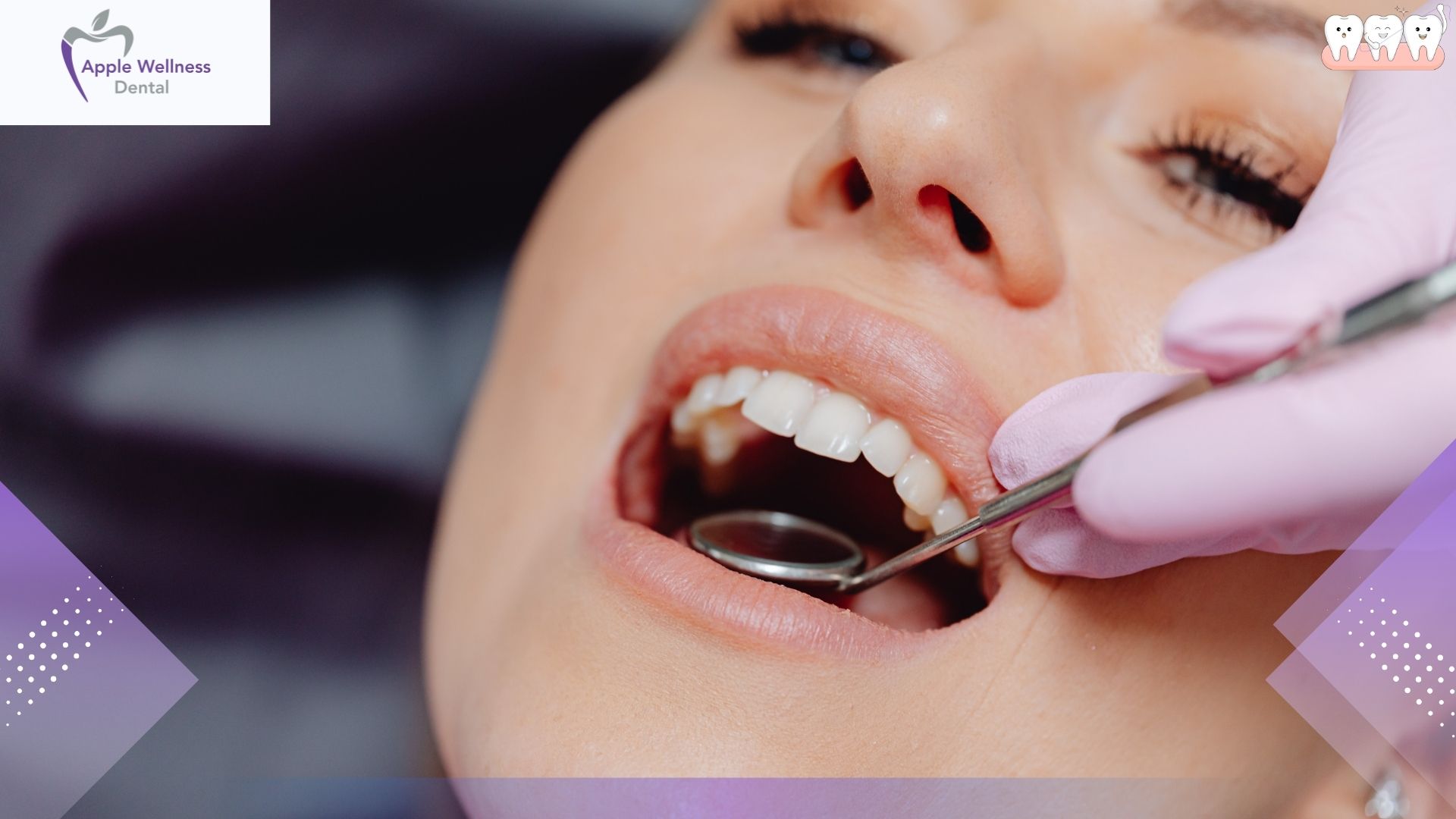
Navigating your oral hygiene routine after surgery requires patience and adherence to a strict timeline. The following phases outline exactly when and how to reintroduce liquids into your dental care regimen.
Phase 1: The First 24 Hours (Absolute Avoidance)
During the first day post-operation, your primary goal is clot stabilization. Do not use mouthwash, do not brush the extraction site, and do not use a straw. If you need to clean your mouth, you may gently brush your remaining teeth, taking extreme care to avoid the surgical quadrant. Any liquid introduced into the mouth should be swallowed normally without swishing.
Phase 2: 24 to 48 Hours (The Warm Saline Phase)
Once the 24-hour mark has passed, the blood clot has achieved a baseline level of stability. At this point, dentists globally recommend transitioning to a warm saline (salt water) rinse. Dissolve one-half teaspoon of high-quality salt into eight ounces of warm water. Salt water is isotonic, meaning it mimics the body’s natural fluids. It gently cleanses the area, reduces localized inflammation, and alters the oral pH to create an inhospitable environment for harmful bacteria without relying on harsh chemicals.
Phase 3: Days 3 to 7 (Alcohol-Free and Prescription Rinses)
By the third day, the delicate fibrin clot begins to organize into granulation tissue. You can slowly reintroduce commercial mouthwashes, provided they are strictly alcohol-free. Alcohol acts as an astringent and a solvent; it can chemically degrade the forming tissue, delay cellular regeneration, and cause severe burning sensations. If your oral surgeon prescribed an antimicrobial rinse, such as chlorhexidine gluconate, this is the timeframe in which it becomes most beneficial for preventing secondary infections.
Phase 4: Beyond 1 Week (Return to Normalcy)
For routine single-tooth extractions, normal oral hygiene—including the use of standard mouthwashes—can generally resume after seven days. However, for complex surgical extractions (such as deeply impacted wisdom teeth), the soft tissue may take two to three weeks to fully close (epithelialization). Always default to your specific surgeon’s discharge instructions.
Comparing Oral Rinses: What to Use and What to Avoid
Not all oral rinses are created equal. The chemical composition of your chosen mouthwash dictates whether it will aid recovery or induce severe complications. Below is a comprehensive breakdown of common rinse types evaluated by their postoperative safety.
| Type of Rinse | When to Use | Clinical Impact |
|---|---|---|
| Warm Salt Water (Saline) | After 24 hours | Highly Recommended. Reduces edema, soothes tissue, neutralizes acidic bacterial byproducts. |
| Chlorhexidine Gluconate (0.12%) | As prescribed (usually Day 2+) | Potent antibacterial. Essential for high-risk surgical sites to prevent opportunistic infections. |
| Alcohol-Free Commercial Mouthwash | After 3 to 5 days | Safe alternative for freshening breath without chemically burning the delicate new mucosal tissue. |
| Alcohol-Based Mouthwash | Avoid for at least 7-10 days | Dangerous. Induces tissue desiccation (drying), causes intense pain, and slows epithelial regeneration. |
| Hydrogen Peroxide Rinses | Strictly avoid unless directed | The effervescent (bubbling) mechanical action can forcefully dislodge the stabilizing blood clot. |
The Role of Prescription Antimicrobial Rinses
In cases involving severe periodontal disease, multiple extractions, or impacted third molars, your dentist may prescribe a specialized mouthwash known as chlorhexidine gluconate (commonly available in a 0.12% concentration). Chlorhexidine is considered the gold standard for chemical plaque control in modern dentistry.
Research from the Canadian Dental Association notes that chlorhexidine possesses a unique property called substantivity. This means the active antimicrobial agents bind to the oral mucosa and tooth surfaces, continuing to release bacteria-fighting compounds for up to 12 hours after a single rinse. However, even with powerful prescription solutions, the mechanical rules of physics still apply: you must not vigorously swish chlorhexidine during the first few days of recovery.
Dr. Marcus Thorne, a prominent clinical educator, advises: “Patients often believe that because a rinse is prescribed by a doctor, it can be used immediately and forcefully to ‘sterilize’ the socket. This is a dangerous misconception. The timing and the physical technique of the rinse are just as important as the chemical liquid itself.”
Step-by-Step Guide: How to Safely Rinse Without Dislodging the Clot
When the 24-hour waiting period has elapsed and you are cleared to begin saline or alcohol-free rinses, utilizing the correct physical technique is paramount. Follow these exact steps to ensure you do not jeopardize your healing process:
- Prepare the Solution: If using salt water, ensure the water is lukewarm—never hot, as thermal burns can further damage the surgical site. Stir until the salt is completely dissolved.
- Take a Small Sip: Do not fill your mouth to maximum capacity. Take a small, manageable amount of the liquid into your mouth.
- Employ the “Head Roll” Technique: Absolutely no active cheek-pumping or swishing. Instead, gently tilt your head from the left side to the right side, allowing gravity to move the fluid softly across the extraction site. Do this for roughly 30 to 60 seconds.
- Passive Emptying: Do not spit. The forceful contraction of your cheek and lip muscles required to spit creates a high-pressure vacuum in the mouth. Instead, simply lean directly over the sink, open your mouth, and allow the liquid to fall out passively.
- Do Not Rinse with Plain Water Afterward: Allow the residual saline or prescribed chlorhexidine to remain on the tissues to maximize its therapeutic effects.
Understanding Alveolar Osteitis (Dry Socket)
The primary reason for these strict postoperative protocols is the prevention of alveolar osteitis, colloquially known as dry socket. This painful condition occurs when the primary blood clot is either prematurely lost or fails to form altogether, leaving the underlying alveolar bone and highly sensitive nerve endings exposed to air, food debris, and fluids.
According to clinical statistics updated for 2026, dry socket manifests in roughly 2% to 5% of routine dental extractions. However, this number skyrockets to between 20% and 30% for surgical extractions of impacted mandibular (lower) wisdom teeth. The condition typically presents between the third and fifth day post-extraction.
Symptoms include a severe, radiating, dull ache that travels up to the ear or eye, accompanied by halitosis (bad breath) and a foul taste in the mouth. Over-the-counter pain medications are notoriously ineffective against the pain of a dry socket. If you suspect you have developed this complication from premature rinsing or other mechanical trauma, you must return to your dental provider immediately. They will irrigate the socket and pack it with a specialized medicated dressing, often containing eugenol (clove oil), to instantly soothe the exposed nerves and promote secondary healing.
Comprehensive Oral Hygiene Tips During the Healing Phase
Beyond knowing when to use mouthwash, maintaining holistic oral hygiene is essential to prevent secondary infections. The oral cavity is home to hundreds of bacterial species, and an open surgical wound is a prime target for opportunistic microbes.
As endorsed by guidelines from the American Dental Association, patients should continue brushing their teeth twice daily, even on the day of the extraction. The caveat is that you must completely avoid the surgical site for the first 72 hours. Use a soft-bristled, manual toothbrush—temporarily discontinue the use of electric toothbrushes, as the intense sonic vibrations can be transmitted through the jawbone and disturb the clot.
Additionally, dietary choices significantly impact wound hygiene. Avoid small, granular foods like sesame seeds, rice, and popcorn, which can easily become trapped in the healing socket. Stick to soft, nutrient-dense foods (like yogurt, applesauce, and scrambled eggs) for the first five days. Hydration is equally critical, but always drink straight from the cup; the suction required to use a drinking straw is just as dangerous as aggressive spitting.
Frequently Asked Questions
Can I use Listerine after a tooth extraction?
You should not use standard, alcohol-based Listerine for at least one week following a tooth extraction. The harsh alcohol content can burn the sensitive, newly forming mucosal tissues, delay the cellular healing process, and cause significant unnecessary pain. If you must use a commercial brand, opt for their zero-alcohol variants after 72 hours.
What happens if I accidentally rinsed on the first day?
If you accidentally rinsed within the first 24 hours, monitor the extraction site closely. Do not panic, but watch for signs of increased bleeding or the onset of deep, radiating pain around day three, which indicates a dry socket. Cease all further rinsing immediately and follow up with your dentist if severe pain develops.
Why does my breath smell bad after an extraction, and can mouthwash fix it?
Bad breath (halitosis) is very common after an extraction due to a mix of old blood, healing tissue, and temporary changes in your brushing routine. While an alcohol-free mouthwash can help mask the odor after day three, warm salt water rinses are safer and highly effective at naturally neutralizing the bacteria causing the odor without harming the surgical site.
Is hydrogen peroxide safe for extraction sockets?
No, hydrogen peroxide is generally not recommended for fresh extraction sockets. When peroxide interacts with oral tissues, it creates an effervescent, bubbling mechanical action. This bubbling can easily lift and dislodge the fragile blood clot, directly causing a painful dry socket.
How many times a day should I use the salt water rinse?
Once you are past the 24-hour mark, it is best to use a warm saline rinse 2 to 3 times a day. Ideally, you should perform this gentle head-tilt rinse after every major meal and before bed to ensure no food debris is resting on or near the surgical wound.
Does chlorhexidine mouthwash stain teeth?
Yes, prolonged use of 0.12% chlorhexidine gluconate can lead to brownish superficial staining on the teeth and tongue. However, this is temporary and can easily be polished away by your dental hygienist once you have fully recovered from your oral surgery.
Conclusion
Navigating post-operative dental care requires a careful balance between keeping the oral cavity clean and protecting the vulnerable surgical site. To recap: absolutely no mouthwash or rinsing of any kind during the first 24 hours. From days two through seven, rely on gentle, passive warm salt water rinses or an alcohol-free/prescription alternative as directed by your clinician. By respecting the biological timeline of hemostasis and cellular regeneration, you drastically reduce your risk of painful complications like alveolar osteitis and ensure a swift, comfortable recovery.
If you are experiencing severe pain, prolonged bleeding, or are unsure about the progression of your healing, do not hesitate to seek professional clinical advice. Contact our team today to schedule a follow-up appointment or to get immediate answers to your postoperative questions.
References
- American Dental Association – Clinical Guidelines on Postoperative Extraction Care
- Canadian Dental Association – Recommendations for the use of Chlorhexidine Gluconate
- World Health Organization – Global Protocols for Maxillofacial Surgical Hygiene