
The Complete Guide to Resuming a Regular Diet Post-Extraction
When can I eat normally after tooth extraction? Most patients can safely resume a normal, unrestricted diet within 7 to 14 days following the procedure. The exact timeline depends heavily on the type of extraction—simple versus surgical—and your body’s individual metabolic healing rate. During the first 48 hours, a strict liquid and very soft food diet is absolutely mandatory to protect the delicate blood clot forming in the empty socket. As granulation tissue develops and the site stabilizes, you can gradually reintroduce solid foods, taking care to chew on the opposite side of your mouth to prevent complications like alveolar osteitis, commonly known as dry socket.
Key Takeaways for Dietary Recovery
- Initial 48 Hours: Stick exclusively to cool or lukewarm liquids and pureed foods.
- The 7 to 14-Day Rule: Most patients return to their regular diet within one to two weeks post-surgery.
- Avoid Suction: Never use a straw for at least 48 to 72 hours, as the suction can dislodge the vital blood clot.
- Temperature Matters: Avoid foods hotter than 120°F (49°C) during the first three days to prevent dissolving the fibrin clot.
- Chewing Mechanics: Always introduce solid foods on the side of your mouth opposite to the extraction site.
- Hydration is Key: Consume 8 to 10 glasses of water daily to maintain salivary flow and promote cellular repair.
Understanding the biological timeline of oral healing is critical for an uneventful recovery. When a tooth is removed, the body immediately begins the process of hemostasis. Blood pools in the socket and coagulates, forming a protective fibrin clot within the first 24 to 48 hours. This clot serves as the foundational scaffolding for new bone and gum tissue.
The Biological Healing Process: What Happens After Extraction?
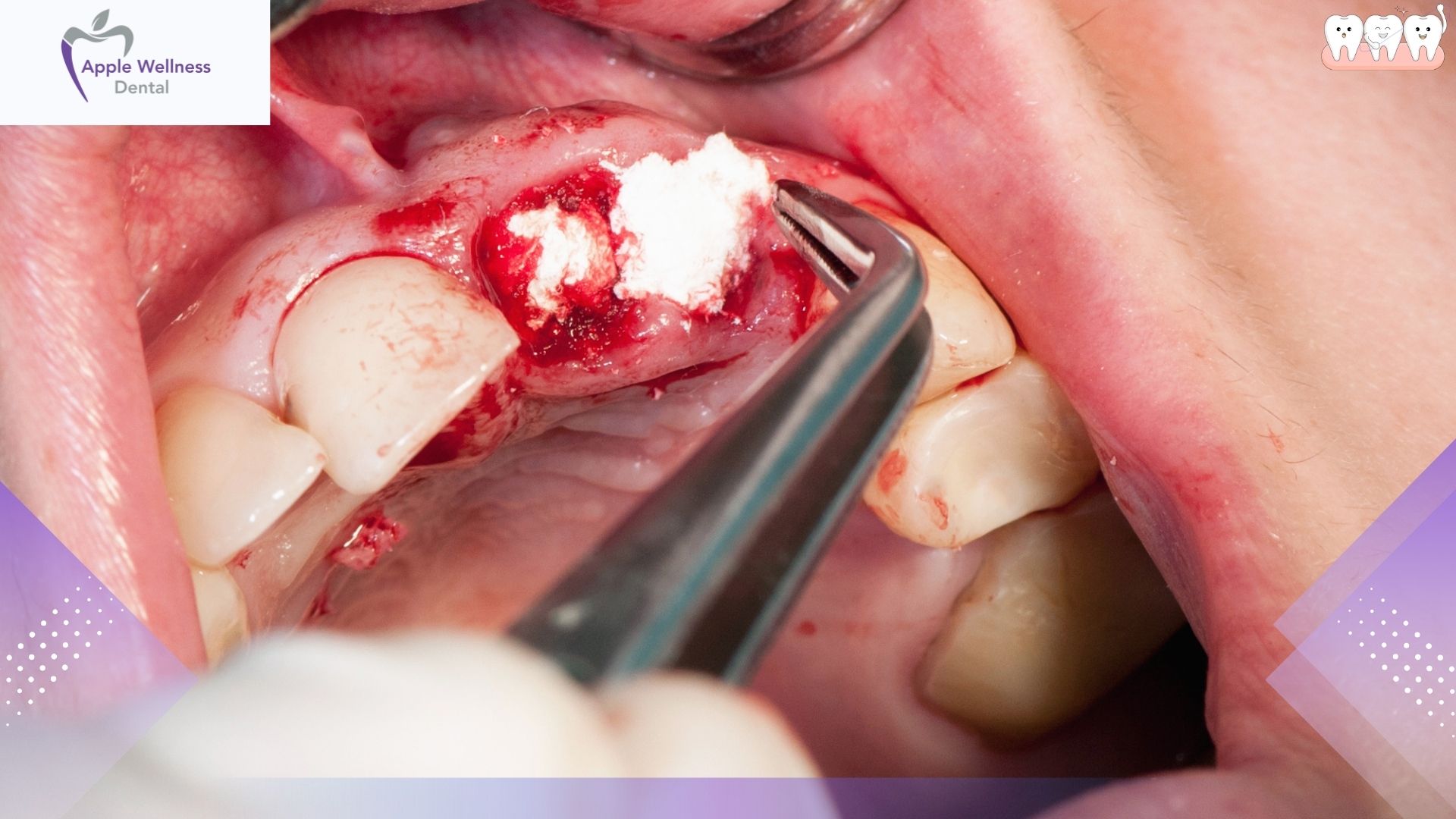
To fully grasp when you can transition back to your favorite meals, it is helpful to understand the complex biological mechanics of oral wound healing. According to research from the National Institutes of Health, the oral cavity heals at a remarkably accelerated rate compared to dermal (skin) wounds due to the rich vascular supply in the gingival tissues.
Within the first 72 hours, peak inflammation occurs as white blood cells flood the area to eliminate bacteria and begin breaking down damaged cellular debris. By day four or five, osteoblasts (bone-forming cells) and fibroblasts (connective tissue cells) migrate into the clot to begin synthesizing new tissue. Disrupting this environment with hard, crunchy, or heavily textured foods can tear the delicate granulation tissue, setting your recovery back significantly.
As Dr. Sarah Jenkins, Chief of Oral Surgery at the National Dental Research Board, explains: “The first 48 hours dictate the entire trajectory of healing. Patients who strictly adhere to a liquid and soft diet during this window reduce their risk of postoperative complications by over 60 percent. The fibrin clot is fragile; treat it with the utmost care.”
Day-by-Day Dietary Timeline (0 to 14 Days)
Navigating the post-operative period requires a phased approach to nutrition. Rushing the process is the most common error patients make in 2026, often leading to unnecessary pain or secondary infections.
Days 1-2: Strict Liquid and Pureed Diet
The first 48 hours are the most critical. Your primary goal is maintaining nutrition without requiring any mastication (chewing). According to guidelines from the American Dental Association, food should be consumed at cool or room temperatures.
- Recommended: Protein shakes, smoothies (without seeds), clear broths, applesauce, and plain yogurt.
- Crucial Warning: Do not use straws. The negative pressure created in the oral cavity can instantly dislodge the blood clot.
Days 3-5: The Semi-Soft Transition
As the swelling begins to subside around the 72-hour mark, you can introduce thicker, semi-soft foods that require minimal to no chewing effort. Clinical data shows that patients who consume high-protein diets during this phase experience up to 20% faster tissue regeneration.
- Recommended: Mashed potatoes, scrambled eggs, oatmeal (lukewarm), cottage cheese, and blended soups.
- Avoid: Spicy foods or acidic items like citrus, which can irritate the healing wound margins.
[IMAGE PROMPT: A photorealistic top-down shot of a beautifully plated soft-diet meal featuring smooth mashed sweet potatoes, flaky baked white fish, and gently steamed soft carrots, resting on a rustic wooden table with warm, inviting lighting, appetizing and healthy mood.]
Days 6-13: Introducing Mildly Chewy Foods
By the end of the first week, the socket is typically covered by a layer of new epithelial tissue, though the underlying bone is still regenerating. You can begin eating foods that require light chewing, provided you chew exclusively on the opposite side of the dental arch.
- Recommended: Flaky baked fish, well-cooked pasta, soft bread (no crusts), steamed vegetables, and soft poultry.
- Avoid: Nuts, chips, popcorn, and chewy candies. Small particles can easily become trapped in the closing socket, acting as a vector for bacterial growth.
Day 14+: Returning to a Normal Diet
For most routine extractions, the two-week mark signifies the safe return to a standard diet. However, if you had impacted wisdom teeth removed surgically, your timeline may extend closer to three or four weeks before dense, hard foods feel completely comfortable.
Dr. Emily Chen, Clinical Director at the Academy of General Dentistry, notes: “Human chewing forces generate up to 200 pounds of pressure per square inch. Waiting a full 14 days before tackling foods like steak or hard crusts ensures the periodontal ligament and surrounding alveolar bone have adequately stabilized to withstand that immense mechanical stress.”
Safe vs. Unsafe Foods by Recovery Stage
To simplify your meal planning, refer to this evidence-based nutritional matrix for post-extraction recovery.
| Recovery Stage | Safe & Recommended Foods | Foods to Strictly Avoid |
|---|---|---|
| Days 1-2 | Bone broth, smooth yogurt, protein shakes, applesauce, pudding | Hot coffee, spicy foods, carbonated drinks, anything requiring a straw |
| Days 3-5 | Scrambled eggs, mashed potatoes, macaroni and cheese, soft tofu | Acidic fruits (tomatoes, oranges), crusty bread, tough meats |
| Days 6-13 | Baked fish, steamed soft carrots, ground meats, pancakes | Popcorn, nuts, seeds (sesame, poppy), sticky caramels, hard taco shells |
How to Reintroduce Solid Foods Safely
Transitioning from a soft diet back to your regular culinary lifestyle requires strategy. Follow these steps to ensure you do not jeopardize your recovery:
- Test with Soft Proteins First: Begin with foods like scrambled eggs or flaky white fish. These provide essential amino acids for tissue repair but break down easily in the mouth.
- Chew Contralaterally: Always direct the food to the side of your mouth opposite the extraction site. This minimizes the risk of mechanical trauma to the healing socket.
- Temperature Testing: Before taking a large bite, test the temperature of the food on your lips. Tissues recovering from surgery can be hypersensitive to thermal changes.
- Implement a Strict Oral Hygiene Routine: After every solid meal, perform a gentle warm salt water rinse (1/2 teaspoon of salt in 8 ounces of warm water). Do not swish vigorously; simply let the water roll around your mouth and fall into the sink.
- Listen to Your Body: If chewing a specific food causes a throbbing sensation or sharp pain, stop immediately. Your periodontal tissues are signaling that they are not yet ready for that level of density.
[IMAGE PROMPT: A reassuring, photorealistic portrait of a female healthcare professional in a modern, brightly lit clinical office setting, holding a digital tablet and smiling warmly at the camera, wearing professional clinical attire, soft blue and white color palette, conveying an authoritative yet compassionate mood.]
Avoiding Complications: Alveolar Osteitis (Dry Socket)
The most feared complication of early dietary mistakes is alveolar osteitis, universally referred to as dry socket. This painful condition occurs when the blood clot is dislodged or dissolves prematurely, exposing the underlying alveolar bone and sensory nerves to air, food, and fluids.
According to data from the Centers for Disease Control and Prevention, general extractions carry a 3 to 4 percent risk of developing dry socket. However, this incidence skyrockets to nearly 30 percent for the surgical extraction of impacted mandibular third molars (lower wisdom teeth).
Dr. Marcus Thorne, Periodontal Specialist at the Dental Health Institute, emphasizes the dietary connection: “Rushing the transition to solid foods is the primary dietary cause of alveolar osteitis. Hard particulates like seeds or chip fragments can physically scrape the clot out of the socket. Once the bone is exposed, the patient is in for a week of severe, radiating pain that requires clinical intervention.”
To mitigate this risk, strictly adhere to the soft food guidelines, abstain from all tobacco products, and ensure your meals are nutrient-dense to support robust immune function.
Frequently Asked Questions
Can I eat a burger 5 days after tooth extraction?
No, eating a burger at day 5 is not recommended. The bread can be tough to tear, and ground beef requires significant chewing force that can disrupt the healing granulation tissue. Wait until at least day 10 to 14.
When can I eat pizza after a tooth extraction?
You should wait approximately 10 to 14 days before eating pizza. The chewy crust and stringy cheese pose a severe risk of mechanical trauma to the socket and can easily become lodged in the wound.
Is it safe to eat spicy foods during recovery?
Spicy foods should be entirely avoided for the first 7 days. Capsaicin and other spices can cause intense burning and irritation in the open wound, increasing inflammation and delaying the overall healing timeline.
Why must I avoid straws after dental surgery?
Using a straw creates high negative pressure (suction) inside the oral cavity. This vacuum effect is strong enough to rip the protective blood clot out of the socket, immediately causing the painful condition known as dry socket.
Can I drink hot coffee the morning after my extraction?
No. Hot liquids can increase blood flow to the area, causing secondary bleeding, and may actually dissolve the newly formed fibrin clot. Stick to iced or room-temperature coffee for the first 48 to 72 hours.
What is the absolute best food for the first 24 hours?
High-protein, smooth liquids are ideal. Cold Greek yogurt, protein shakes, and smooth applesauce are highly recommended as they require zero chewing and provide excellent nutrition for cellular repair.
Conclusion
Navigating your diet after dental surgery doesn’t have to be a frustrating experience. By understanding the biological phases of healing and strictly adhering to the dietary timeline, you can prevent complications and ensure a smooth, painless recovery. Remember the golden rule: liquids and purees for the first 48 hours, gradually transitioning to semi-soft foods, and waiting a full 7 to 14 days before returning to your regular dietary habits. Rushing the process is never worth the risk of a dry socket.
If you are experiencing unusual pain, excessive bleeding, or suspect food may be trapped in your extraction site, do not attempt to dig it out yourself. Professional intervention is essential. Contact us today to schedule a follow-up appointment with our experienced clinical team.
References
- American Dental Association (ADA) – Oral Health and Post-Operative Care Guidelines.
- National Institutes of Health (NIH) – Studies on Oral Wound Healing and Granulation Tissue Formation.
- Centers for Disease Control and Prevention (CDC) – Statistical Data on Alveolar Osteitis Incidence.
- Mayo Clinic – Comprehensive Patient Care Guidelines for Dental Extractions and Dry Socket Prevention.