
The Complete Guide to Tooth Extraction Costs Without Insurance in 2026
If you are paying out-of-pocket, the cost to have a tooth removed in 2026 typically ranges from $150 to $300 for a simple extraction, while surgical extractions—such as removing an impacted wisdom tooth—can cost between $300 and $800 or more per tooth. The final price varies significantly based on the complexity of the procedure, geographic location, anesthesia requirements, and the specific expertise of the dental professional performing the extraction.
Key Takeaways
- Simple Extractions: Generally cost $150–$300, typically involving teeth that are fully erupted and visible above the gum line.
- Surgical Extractions: Range from $300–$800+, required for broken teeth, root remnants, or impacted wisdom teeth.
- Hidden Fees: Expect additional charges for initial consultations ($50–$150), panoramic X-rays ($75–$250), and anesthesia ($100–$600).
- Cost-Saving Options: Dental schools, federally qualified health centers (FQHCs), and in-house dental discount plans can reduce out-of-pocket costs by up to 50%.
- Cash Discounts: Many private practices offer a 5% to 15% discount for uninsured patients paying in full on the day of service.
The True Cost of Removing a Tooth Out-of-Pocket in 2026
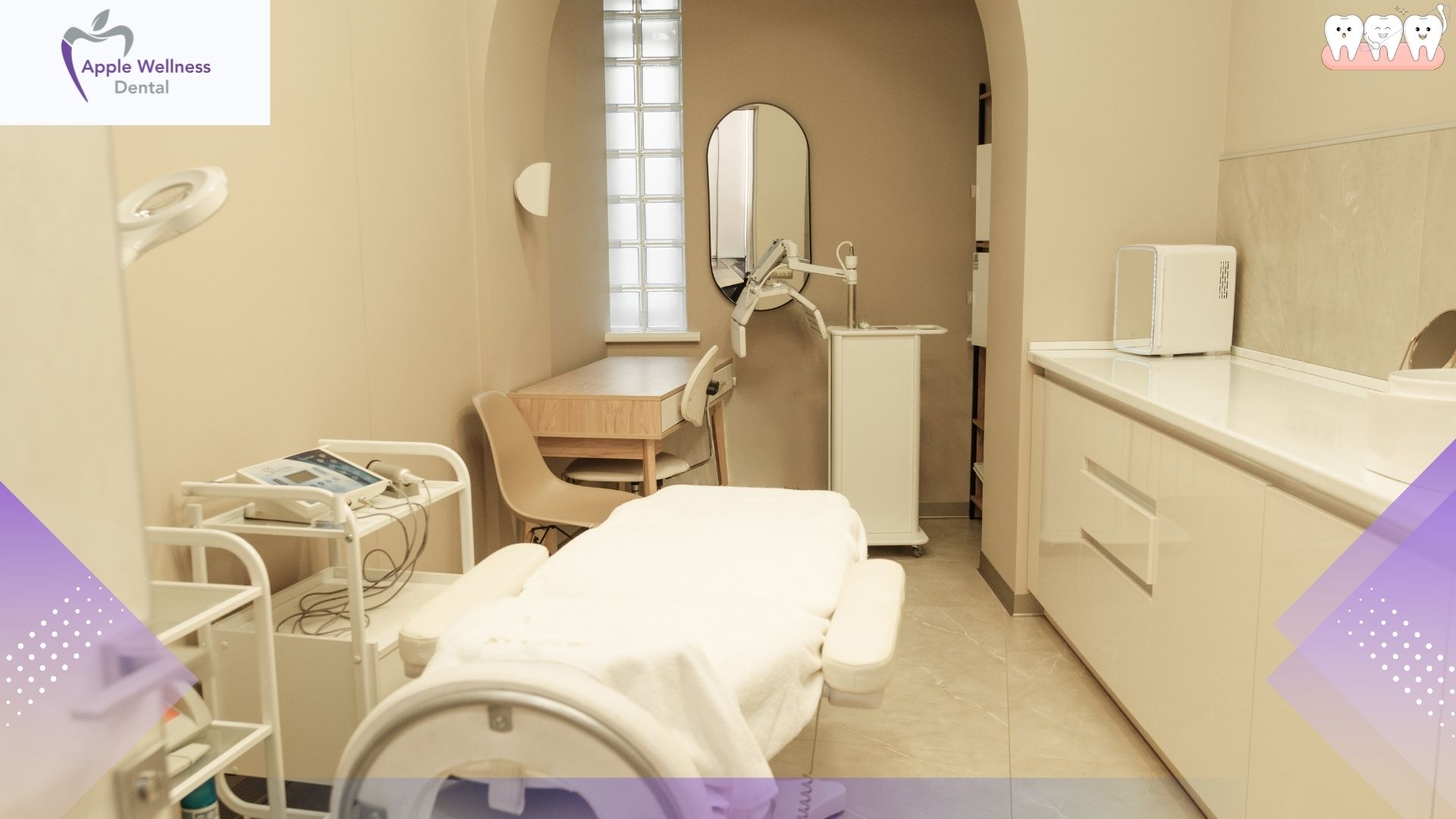
Navigating healthcare expenses without a safety net can be daunting. According to 2026 data published by the American Dental Association, approximately 42% of working-age adults currently lack traditional dental benefits. When severe decay, advanced periodontal disease, or trauma necessitates an extraction (clinically known as exodontia), understanding the financial breakdown is critical.
Dental extraction pricing is not a monolith. The fees are intrinsically tied to the clinical complexity of the tooth’s anatomy and its position in the alveolar bone. “Patients often assume a tooth extraction is a flat fee, but the reality is that removing a mobile front tooth is a vastly different surgical procedure than extracting a horizontally impacted wisdom tooth near the mandibular nerve,” explains Dr. Sarah Jenkins, Chief of Oral Surgery at Apex Dental Network.
Simple vs. Surgical Extractions
A simple extraction is performed on a tooth that is fully erupted, clearly visible, and structurally intact enough to be grasped with dental forceps. The dentist simply loosens the tooth using an instrument called an elevator and extracts it. Because this requires less clinical time and basic local anesthetic (like lidocaine), the national average cost in 2026 sits at about $215.
A surgical extraction is necessary when a tooth is broken off at the gum line, has curved roots, or is impacted (submerged under the gums or bone). This requires an incision into the gingival tissue and sometimes the removal of surrounding bone. Due to the advanced surgical skill required, these procedures average $550 per tooth, excluding specialized sedation.
| Extraction Type | Clinical Scenario | Estimated 2026 Cost Range (Per Tooth) |
|---|---|---|
| Simple Extraction | Fully erupted, intact tooth, easily accessible. | $150 – $300 |
| Surgical Extraction (Soft Tissue) | Tooth partially covered by gum tissue, requiring incision. | $250 – $450 |
| Surgical Extraction (Partial Bony) | Tooth partially encased in the jawbone, requiring bone removal. | $350 – $600 |
| Surgical Extraction (Full Bony/Impacted) | Completely submerged in jawbone (common for wisdom teeth). | $500 – $800+ |
Hidden Fees: What Else Are You Paying For?

When inquiring about self-pay extraction prices, the quoted fee usually only covers the physical removal of the tooth. However, responsible clinical practice mandates several preliminary and post-operative steps, each carrying its own distinct billing code.
Consultation and Diagnostic X-Rays
Before any surgical intervention, a dentist must evaluate the tooth’s root structure and its proximity to vital nerves or sinus cavities. A comprehensive oral evaluation typically costs between $75 and $150. Diagnostic imaging is non-negotiable. A standard periapical X-ray (a localized image of a single tooth) runs about $35 to $60. If you require wisdom teeth removal, a full-mouth Orthopantomogram (OPG or panoramic X-ray) is mandatory, adding $100 to $250 to your bill.
Anesthesia and Sedation
Local anesthesia (numbing shots) is virtually always included in the baseline extraction fee. However, if you suffer from dental anxiety or require a complex surgical extraction, you may opt for higher levels of sedation. Nitrous oxide (laughing gas) adds roughly $75 to $125 per hour. Intravenous (IV) sedation or general anesthesia, administered by an oral surgeon or anesthesiologist, will drastically increase your bill, averaging $300 to $600 for the first hour alone.
Marcus Thorne, Financial Director at National Dental Advocates, notes: “Uninsured patients are frequently blindsided by anesthesia costs. While IV sedation offers superior comfort for multiple impactions, it can easily double the total out-of-pocket invoice. We always advise cash-paying patients to ask for an itemized estimate, known as a pre-treatment authorization, before sitting in the chair.”
7 Proven Ways to Lower Your Dental Bill Without Insurance
Lacking coverage does not mean you must pay premium retail prices for emergency dental care. Here are seven strategic ways to reduce your financial burden when securing an extraction in 2026.
- Seek Treatment at a Dental School: Universities with accredited dental programs operate public clinics where treatments are performed by supervised dental students or residents. Prices are typically 40% to 60% lower than private practices. While appointments take longer, the quality of care is meticulously overseen by veteran professors.
- Visit a Federally Qualified Health Center (FQHC): Funded by the Health Resources and Services Administration, FQHCs provide medical and dental care on a sliding fee scale based on your income and family size. You may end up paying only a nominal administrative fee for a necessary extraction.
- Negotiate a Cash Discount: Private dental offices incur significant administrative costs when processing insurance claims, including delayed payments and credentialing fees. By offering to pay the full amount upfront in cash or via debit card, you can often negotiate a 5% to 15% discount.
- Enroll in a Dental Savings Plan: Also known as discount plans, these are not insurance policies but rather membership programs. For a low annual fee (usually $100 to $150), members gain access to a network of dentists who have agreed to offer services at heavily discounted rates, instantly reducing extraction costs by 20% to 50%.
- Look into Dental Charities and Free Clinics: Organizations like Mission of Mercy and Remote Area Medical host pop-up clinics across the country providing free emergency dental care, including extractions, on a first-come, first-served basis.
- Ask About In-House Financing: Many dentists offer internal payment plans that divide the cost of your procedure over three to six months without charging interest, making a $600 surgical extraction much more manageable.
- Utilize Third-Party Medical Credit: Services like CareCredit or Sunbit offer promotional financing for healthcare expenses. If paid in full within the promotional period (usually 6 to 12 months), these plans carry zero percent interest.
What Happens If You Delay a Necessary Extraction?
Financial constraints often force individuals to postpone vital healthcare. However, when it comes to an infected or non-restorable tooth, procrastination carries severe medical and financial penalties. Research published by the Centers for Disease Control and Prevention indicates that untreated dental caries and localized infections can rapidly progress to systemic health issues.
An untreated infected tooth will inevitably develop an abscess—a pocket of pus caused by a bacterial infection. “Ignoring a necrotic tooth is akin to ignoring a ticking time bomb,” warns Dr. Emily Chen, a Professor at the University of Michigan School of Dentistry. “The infection can easily spread to the surrounding jawbone, soft tissues of the face, and in severe cases, enter the bloodstream causing sepsis or airway obstruction via Ludwig’s angina.”
Financially, the compound effect of delaying treatment is devastating. A tooth that currently requires a $200 simple extraction may soon require emergency room intervention for facial swelling, followed by a complex surgical extraction, bone grafting, and heavy antibiotic therapy. Emergency room visits for preventable dental conditions cost the U.S. healthcare system over $2.5 billion annually, and hospital ERs are only equipped to manage the pain and infection, not extract the tooth.
Aftercare: Post-Extraction Expenses
The financial journey does not end the moment the tooth is pulled. Post-operative care requires minor out-of-pocket investments to ensure proper healing and avoid complications like alveolar osteitis, commonly known as a dry socket. A dry socket occurs when the protective blood clot at the extraction site dislodges, exposing underlying bone and nerves.
To manage post-operative pain, your dentist may prescribe medications. Generic antibiotics (like Amoxicillin) and painkillers (like Ibuprofen 800mg or Acetaminophen with codeine) are relatively inexpensive, usually costing between $15 and $30 at the pharmacy using standard prescription discount apps. Additionally, you may need to purchase soft foods, saline rinses, or ice packs for the first 48 hours.
Should a dry socket occur—which happens in about 3% to 5% of routine extractions but up to 30% in impacted mandibular third molars—you will need to return to the dentist. The dentist will flush the socket and pack it with a medicated dressing. While many practices include a single follow-up visit for complications in their original surgical fee, others may charge an emergency visit fee of $50 to $100.
Planning for the Future: Tooth Replacement
Extracting a tooth solves the immediate problem of pain and infection, but it introduces a new biomechanical issue: the empty space. When a tooth is removed and not replaced, the surrounding teeth naturally drift and tilt into the void. The opposing tooth may also super-erupt (grow downward or upward into the space). This leads to bite misalignment, jaw joint (TMJ) disorders, and further tooth loss.
James Roberts, a Healthcare Economist analyzing 2026 dental trends, states: “The true cost of a missing tooth is realized over a decade. A $300 extraction today often necessitates a $4,000 dental implant or a $2,500 fixed bridge five years down the line to correct structural collapse.” Therefore, when budgeting for an extraction, it is wise to simultaneously discuss replacement options with your provider, such as a partial denture (flipper), bridge, or titanium implant, even if the replacement phase is delayed.
Frequently Asked Questions (FAQ)
What is the cheapest way to get a tooth pulled?
The cheapest option is generally visiting a federally qualified health center (FQHC) or a local dental school. These institutions operate on sliding scale fees or heavily discounted rates, sometimes reducing the extraction cost to under $50 depending on your income level.
Can I go to the emergency room for a bad toothache?
While an ER can provide antibiotics and strong pain medication for severe swelling or abscesses, they rarely have a dentist on staff to actually extract the tooth. You will likely receive an ER bill and still need to pay a private dentist to remove the tooth later.
Is pulling a tooth cheaper than a root canal?
Yes, upfront. An extraction typically costs $150 to $400, whereas a root canal and the necessary accompanying crown can cost between $1,500 and $2,500. However, replacing the extracted tooth later with an implant or bridge makes extraction more expensive in the long run.
Does getting a tooth pulled hurt?
The extraction process itself should not hurt, as the dentist will use a local anesthetic to thoroughly numb the area. You will feel pressure, but no sharp pain. Post-operative soreness is expected and can usually be managed with over-the-counter anti-inflammatory medications.
What is a dental discount plan and how fast does it activate?
A dental discount plan is a membership program that gives you access to a network of dentists offering reduced rates. Unlike traditional insurance, there are no waiting periods; the discounts activate almost immediately after enrollment, making them perfect for emergency extractions.
Conclusion
Navigating the out-of-pocket costs of oral healthcare in 2026 requires diligence and self-advocacy. While the baseline price for removing a tooth without coverage spans from $150 for simple cases to over $800 for complex surgeries, your total bill will depend heavily on diagnostics, anesthesia, and the clinical setting you choose. By exploring community health centers, negotiating cash rates, or utilizing discount plans, you can secure safe and effective treatment without bankrupting yourself. Do not let financial fear force you into delaying critical care, as untreated infections pose serious risks to your overall health and future finances.
If you are experiencing severe dental pain and need immediate assistance navigating your treatment options and pricing, do not hesitate to reach out to a professional. Contact us today to connect with affordable dental resources in your area.
References
- American Dental Association. (2026). Dental Care Utilization and Coverage Statistics. https://www.ada.org
- Centers for Disease Control and Prevention. (2026). Oral Health Surveillance Report. https://www.cdc.gov
- Health Resources and Services Administration. (2026). Guide to Federally Qualified Health Centers. https://www.hrsa.gov
- World Health Organization. (2026). Global Oral Health Status Report. https://www.who.int