
The Complete Guide to Navigating Third Molar Extraction Recovery
Recovering from third molar extraction requires a combination of adequate rest, strict dietary modifications, and proactive pain management. By utilizing cold compresses during the first 48 hours to minimize edema, adhering strictly to a soft-food diet, and maintaining careful oral hygiene to protect the fragile blood clot, patients can ensure a smooth healing process and prevent painful complications such as alveolar osteitis (dry socket). Proper postoperative care is the most critical factor in achieving a rapid and comfortable convalescence.
Key Takeaways
- Bite firmly on gauze for the first 30 to 45 minutes to achieve hemostasis (blood clotting).
- Apply ice packs to the cheeks in 20-minute intervals for the first 48 hours to reduce swelling.
- Consume only soft, nutrient-dense foods (like yogurt and applesauce) for the first 3 to 5 days.
- Avoid using straws, spitting, or smoking, as negative pressure can dislodge the blood clot.
- Alternate acetaminophen and NSAIDs as directed to manage pain effectively.
- Begin gentle warm salt water rinses 24 hours post-surgery to maintain oral hygiene.
The First 24 Hours: Immediate Postoperative Care
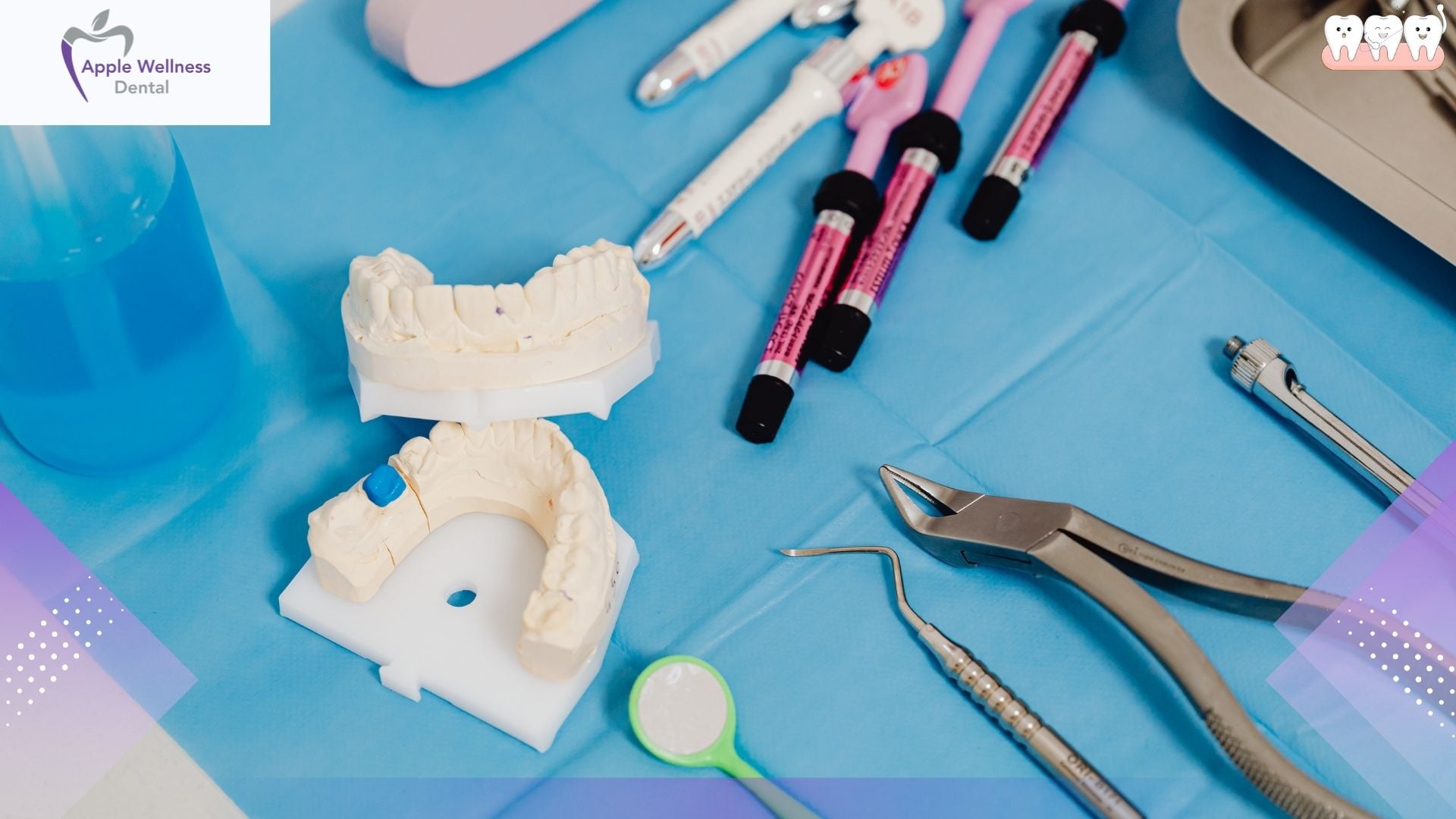
The first 24 hours following your surgical procedure are highly critical for establishing a foundation for successful healing. When you leave the surgical chair, the primary objective is achieving hemostasis—the stopping of blood flow. Oral surgeons place sterile gauze over the extraction sites, and patients must maintain firm, continuous pressure by biting down for at least 30 to 45 minutes. If active bleeding persists, replacing the gauze with a clean, damp pad or a moistened black tea bag can be highly effective. The tannic acid present in black tea acts as a natural astringent, actively promoting blood coagulation.
During this initial window, patients will also experience the gradual wearing off of local anesthesia. It is imperative to begin your pain management protocol before the numbness completely subsides. Waiting until the pain becomes severe makes it significantly harder to control. Furthermore, patients should plan to rest with their head elevated on two or three pillows. Lying flat increases blood pressure in the head, which can exacerbate throbbing pain and increase the likelihood of prolonged bleeding.
According to the clinical guidelines established by the American Association of Oral and Maxillofacial Surgeons, the onset of swelling is a normal physiological response to surgical trauma. Edema (swelling) will steadily increase, typically peaking at the 48 to 72-hour mark. To mitigate this, cold therapy is essential. Applying an ice pack to the affected side of the face for 20 minutes on, followed by 20 minutes off, restricts blood flow to the area, limiting the inflammatory response.
Step-by-Step Guide to Managing Discomfort
Pain management relies heavily on consistency and staying ahead of the discomfort. In 2026, the standard of care in oral surgery emphasizes a multimodal approach to analgesia, significantly reducing the reliance on prescription opioids in favor of over-the-counter anti-inflammatory medications. Understanding how to alternate these medications provides optimal relief.
- Step 1: Understand Your Medications. Nonsteroidal anti-inflammatory drugs (NSAIDs) like ibuprofen target the inflammation at the surgical site, while acetaminophen works centrally in the brain to block pain signals. Combining or alternating these tackles pain from two different physiological angles.
- Step 2: Establish a Schedule. If prescribed by your doctor, take 400mg to 600mg of ibuprofen. Three hours later, take 500mg of acetaminophen. Repeat this alternating cycle every three hours. This ensures a steady stream of pain relief without exceeding the maximum daily limits for either medication.
- Step 3: Set Timers. The most common mistake patients make is sleeping through a medication dose or forgetting when they last took a pill. Set strict alarms on your smartphone to maintain the schedule, even waking up briefly during the first night to take your required dose.
- Step 4: Take Medication with Food. NSAIDs can be notoriously harsh on the gastric lining. Always consume a small amount of soft food, such as applesauce or pudding, before ingesting ibuprofen to prevent nausea and stomach cramping.
As noted by the American Dental Association, patients should never exceed 3,200 mg of ibuprofen or 4,000 mg of acetaminophen in a 24-hour period unless explicitly directed by a licensed physician.
What to Eat: Navigating the Soft Food Diet
Nutrition plays a vital role in postoperative recovery. The body requires adequate calories, protein, and vitamins to regenerate tissue and heal bone. However, the mechanical act of chewing is severely compromised due to trismus (jaw stiffness) and the vulnerability of the extraction sites. For the first three to five days, a strict liquid and soft-food diet is non-negotiable.
Patients must focus on nutrient-dense foods that require zero mastication (chewing). Protein shakes, Greek yogurt, smooth soups, and mashed potatoes are excellent staples. Temperature is also a crucial factor; hot foods and beverages can dissolve the forming blood clot and increase bleeding. Therefore, all meals should be consumed at room temperature or lukewarm for the first 48 hours.
| Food Category | Recommended Safe Foods | Dangerous Foods to Avoid |
|---|---|---|
| Proteins | Scrambled eggs, Greek yogurt, protein shakes, silken tofu | Steak, chicken breast, jerky, nuts, seeds |
| Carbohydrates | Mashed potatoes, smooth oatmeal, applesauce, pudding | Crusty bread, chips, crackers, popcorn, rice |
| Fruits & Vegetables | Mashed bananas, pureed squash, avocado, smoothies (no seeds) | Raw carrots, apples, berries with seeds (strawberries, raspberries) |
| Beverages | Water, milk, non-acidic juices (drunk directly from the glass) | Any beverage consumed through a straw, hot coffee, alcohol |
By day five or six, as swelling subsides and jaw mobility improves, patients can transition to semi-soft foods like macaroni and cheese, flaky fish, and soft-cooked vegetables. However, sharp and crunchy foods (like tortilla chips and popcorn) must be avoided for at least four to six weeks, as sharp fragments can easily lodge into the healing surgical pockets, causing acute infection.
Preventing Alveolar Osteitis (Dry Socket)
Alveolar osteitis, commonly referred to as dry socket, remains one of the most dreaded complications of third molar extraction. It occurs when the vital blood clot that forms in the surgical socket is dislodged or dissolves prematurely, exposing the underlying bone and sensitive nerves to air, food, and fluids. Research data available through the National Institutes of Health indicates that while dry socket occurs in only 2% to 5% of standard extractions, the incidence rate jumps to roughly 20% to 30% for impacted lower third molars.
The pain associated with a dry socket is distinct. It typically manifests three to four days after the surgery as a deep, radiating ache that travels up the side of the face toward the ear and eye. This pain is largely unresponsive to standard over-the-counter analgesics and often requires clinical intervention, where a surgeon will pack the socket with a medicated dressing to soothe the exposed nerve endings.
Prevention relies entirely on protecting the blood clot. Negative pressure inside the mouth is the primary culprit for clot dislodgement. Therefore, patients must absolutely abstain from using drinking straws for at least one week. Furthermore, the suction created by smoking a cigarette or vaping poses a dual threat: the physical suction can pull the clot loose, while the chemical toxins restrict blood flow to the gums, severely delaying the healing process. Forceful spitting should also be avoided; instead, patients should let liquids fall naturally from their mouths into the sink.
Oral Hygiene During the Healing Phase
Maintaining a pristine oral environment is challenging when dealing with postoperative swelling and pain, but it is essential for preventing bacterial infections. The Mayo Clinic strictly advises against brushing the teeth, spitting, or using commercial mouthwash during the first 24 hours following surgery.
After the initial 24-hour period has elapsed, patients should begin gentle warm saltwater rinses. A solution of one-half teaspoon of salt dissolved in eight ounces of warm water creates an isotonic environment that is soothing to the tissues and highly effective at reducing bacterial load. Patients should hold the solution in their mouths, gently tilting their heads from side to side to let the water wash over the surgical sites, and then lean over the sink to let the liquid passively fall out.
Standard tooth brushing can resume on the second day, but extreme caution must be exercised when navigating the posterior of the mouth. Patients should use a soft-bristled toothbrush and actively avoid touching the extraction sites directly. Commercial mouthwashes containing alcohol should be avoided entirely for at least a week, as the alcohol can burn the healing tissue and dry out the oral mucosa.
Understanding Long-Term Tissue and Bone Healing
While the initial acute recovery phase lasts approximately one week, the complete biological healing of the extraction site is a prolonged process. The soft tissue (gums) will typically close over the extraction socket within three to four weeks. However, the underlying jawbone can take upwards of three to six months to fully regenerate and fill in the void left by the extracted tooth.
During this extended period, it is not uncommon to feel slight indentations in the back of the gums. Food debris may occasionally become trapped in these shallow depressions. Many oral surgeons provide patients with a curved, plastic monoject syringe to gently flush these areas with warm water or saline after meals. Consistent hygiene during this long-term remodeling phase prevents late-stage localized infections and ensures a healthy, fully healed oral cavity.
When to Contact a Professional
While a certain degree of pain, swelling, and mild oozing is expected, patients must be vigilant in monitoring for signs of complications. You should immediately contact your oral health provider if you experience any of the following red flags:
- Uncontrolled bleeding: If heavy bleeding persists despite applying firm pressure with gauze for more than an hour.
- High fever: A body temperature exceeding 101°F (38.3°C), which is a primary indicator of systemic infection.
- Severe, worsening pain: Pain that initially improves but then becomes excruciating around day three or four, signaling a potential dry socket.
- Difficulty breathing or swallowing: This is a medical emergency that could indicate severe swelling obstructing the airway.
- Pus or foul discharge: A white or yellow exudate originating from the surgical site, often accompanied by a foul taste or odor.
Frequently Asked Questions (FAQ)
How long does the acute recovery period typically last?
The acute recovery period, characterized by the most noticeable swelling and discomfort, generally lasts between 3 to 7 days. Most patients feel well enough to return to school or light work by the third or fourth day, provided they are no longer taking prescription narcotics.
When is it safe to resume normal exercise?
Intense physical activity should be strictly avoided for at least 72 hours post-surgery. Elevated heart rates and increased blood pressure can cause the extraction sites to throb and may dislodge the blood clots, leading to recurrent bleeding.
Can I drink coffee after the procedure?
Hot coffee should be avoided for the first 48 hours, as high temperatures can dissolve the forming blood clots. Iced coffee can be consumed, but it must be drunk directly from the rim of the cup—never through a straw.
Is it normal for my jaw to feel incredibly stiff?
Yes, postoperative trismus, or restricted jaw mobility, is a very common bodily response to the surgical trauma and prolonged opening of the mouth during the procedure. This stiffness typically resolves naturally within 5 to 7 days as the surrounding muscle inflammation subsides.
How do I know if I have an infection versus normal swelling?
Normal swelling peaks at 48 to 72 hours and then gradually decreases. If your swelling begins to increase again after day four, is accompanied by a high fever, or if you notice a foul-tasting discharge, these are strong clinical indicators of an active infection.
Do I need to wake up in the night to take pain medication?
During the first 24 to 48 hours, it is highly recommended to set an alarm to take your pain medication on schedule. Allowing the medication to completely wear off while you sleep will result in waking up in severe, difficult-to-manage pain.
Conclusion
Successfully navigating convalescence after third molar removal requires strict adherence to postoperative instructions, a tailored soft-food diet, and diligent oral hygiene. By understanding the physiological phases of healing—from immediate blood clot formation to long-term bone remodeling—patients can take proactive steps to minimize discomfort and prevent complications like alveolar osteitis. If you are experiencing unusual symptoms, prolonged pain, or need personalized guidance during your healing journey, please do not hesitate to reach out for professional assistance. Contact us today to speak with our clinical team and ensure your recovery is safely on track.
References
- American Association of Oral and Maxillofacial Surgeons. (2026). Post-operative Care Guidelines. Retrieved from https://www.aaoms.org
- American Dental Association. (2026). Pain Management and Recovery Protocols. Retrieved from https://www.ada.org
- Mayo Clinic. (2026). Wisdom Tooth Extraction: What You Can Expect. Retrieved from https://www.mayoclinic.org
- National Institutes of Health. (2026). Clinical Incidence of Alveolar Osteitis in Third Molar Extractions. Retrieved from https://www.nih.gov