
The Complete Guide to Fixed Dental Prostheses: Restoring Function and Aesthetics
A fixed dental prosthesis is an artificial replacement for one or more missing or damaged teeth that is permanently cemented or mechanically attached to natural teeth, tooth roots, or dental implants. Unlike removable dentures, these permanent restorations cannot be taken out of the mouth by the patient, providing exceptional stability, restored chewing function, and a highly natural aesthetic appearance.
Key Takeaways
- Permanent Attachment: These restorations are securely bonded or screwed into place and can only be removed by a dental professional.
- Versatile Solutions: Common types include dental crowns, bridges, inlays, onlays, and implant-supported restorations.
- Advanced Materials: In 2026, monolithic zirconia and lithium disilicate (E.max) lead the industry for combining immense strength with lifelike aesthetics.
- Functional Restoration: Permanent prostheses restore up to 90% of natural biting force and prevent the shifting of adjacent natural teeth.
- Long-Term Investment: With meticulous oral hygiene and professional maintenance, modern fixed restorations boast a 15 to 20-year average lifespan, with many lasting a lifetime.
Understanding Fixed Prosthodontics in 2026
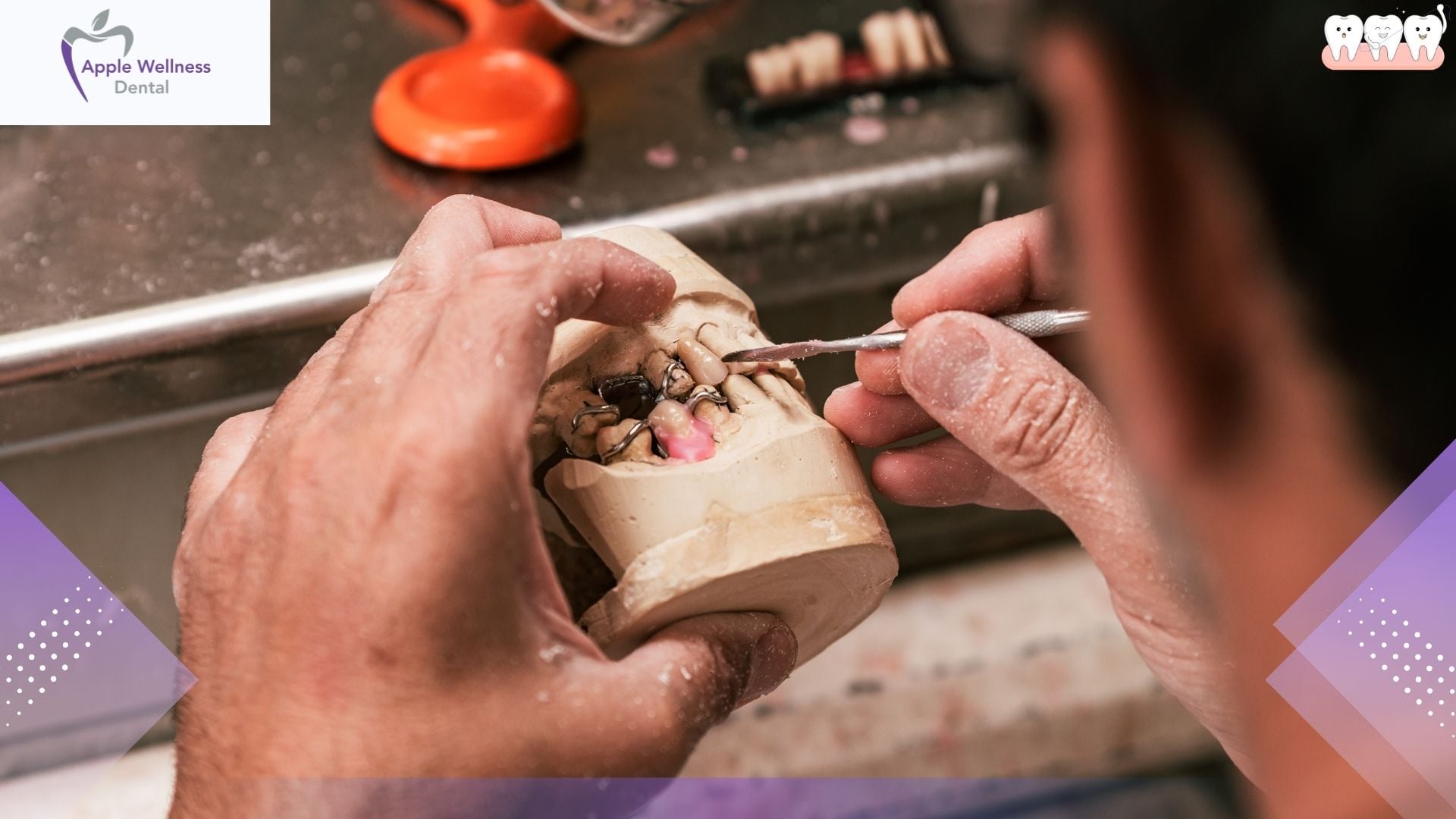
Fixed prosthodontics is the specialized branch of dentistry focused on rebuilding and replacing teeth with restorations that remain permanently in the mouth. As populations age and maintain their natural teeth longer, the demand for sophisticated, permanent solutions has surged. According to the American College of Prosthodontists (ACP), approximately 120 million individuals in the United States are missing at least one tooth, and more than 36 million are entirely edentulous (missing all teeth). These staggering statistics underscore the critical public health need for reliable dental restorations.
Historically, patients missing multiple teeth relied heavily on removable partial or complete dentures. However, the paradigm has shifted dramatically. Dr. Carl Misch, a pioneering foundational figure in modern implantology, noted in his seminal textbook Contemporary Implant Dentistry that “the primary goal of fixed prosthodontics is the restoration of optimal oral function and aesthetics.” Today, permanent prostheses fulfill this goal by intimately replicating the biomechanics of natural tooth enamel and dentin.
The World Health Organization (WHO) consistently highlights that oral health is a fundamental component of overall health and well-being. Missing or severely damaged teeth can lead to malnutrition, speech impediments, and profound psychological distress. By utilizing a permanently affixed prosthetic, patients regain not only their physiological abilities but also their social confidence.
Primary Categories of Permanent Restorations
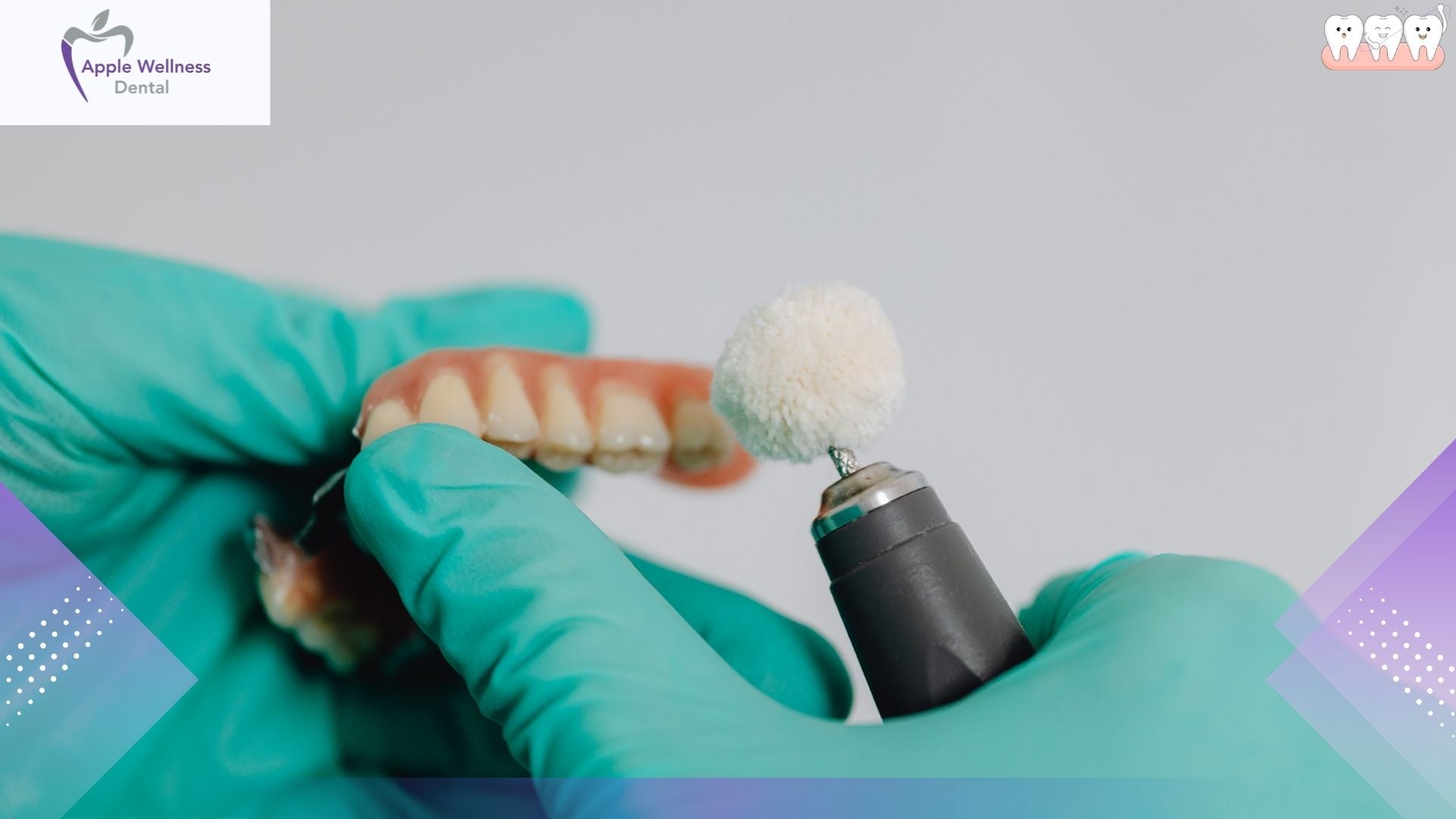
The term “fixed dental prosthesis” is an umbrella category encompassing several distinct clinical applications. The choice of restoration depends heavily on the extent of tooth structure lost, the health of the periodontium, and the patient’s functional requirements.
1. Dental Crowns (Caps)
A crown is a full-coverage restoration that entirely encases a single damaged, decayed, or endodontically treated tooth. The primary function of a crown is to restore the tooth’s anatomical shape, structural integrity, and aesthetic appearance. Crowns are frequently utilized following root canal therapy, as the treated tooth becomes brittle and prone to catastrophic fracture without comprehensive coverage.
2. Fixed Dental Bridges
When a patient is missing one or more consecutive teeth, a traditional dental bridge is often employed. A bridge consists of two main components: the “abutments” (the anchoring teeth on either side of the gap) and the “pontics” (the artificial teeth suspended between the abutments). Traditional bridges require the irreversible preparation (shaving down) of the adjacent healthy teeth. Alternatively, a Maryland bridge utilizes metal or ceramic wings bonded to the back of adjacent teeth, preserving more natural enamel, though it provides less structural rigidity.
3. Inlays and Onlays
Often referred to as partial crowns, inlays and onlays are used when a tooth has too much damage to be repaired with a simple composite filling, but retains enough healthy structure that a full crown is unwarranted. An inlay fits within the cusps (the bumpy chewing surfaces) of the tooth, whereas an onlay extends over one or more cusps. These conservative restorations preserve maximum natural tooth structure while providing superior strength compared to direct resin composites.
4. Implant-Supported Prostheses
The integration of dental implants has revolutionized fixed prosthodontics. Instead of relying on natural teeth for support, titanium or zirconia posts are surgically embedded into the jawbone, a process known as osseointegration. Once healed, single crowns, multi-unit bridges, or full-arch prostheses (such as the All-on-4 concept) can be permanently attached. The National Institute of Dental and Craniofacial Research (NIDCR) notes that dental implants help preserve the alveolar bone, preventing the facial collapse commonly associated with tooth loss.
Advanced Biomaterials Used in Modern Prosthetics
The success of a permanent restoration relies heavily on the biomaterials utilized during fabrication. In 2026, the dental industry has largely shifted away from pure metal restorations in favor of high-strength ceramics that mimic natural light transmission.
| Material Type | Aesthetics | Strength / Durability | Primary Clinical Use |
|---|---|---|---|
| Monolithic Zirconia | Excellent (Highly customizable) | Exceptional (up to 1200 MPa) | Posterior crowns, implant bridges, full-arch restorations |
| Lithium Disilicate (E.max) | Superior (Incredible translucency) | High (approx. 400-500 MPa) | Anterior crowns, veneers, inlays, onlays |
| Porcelain Fused to Metal (PFM) | Good (Opaque metal substructure) | Very High (Metal framework) | Long-span bridges, patients with heavy bite forces |
| Gold Alloy | Poor (Metallic appearance) | Unmatched (Wears similarly to enamel) | Posterior molars, severe bruxism cases (rarely used for aesthetics) |
Clinical studies demonstrate that monolithic zirconia crowns exhibit a remarkable 99% survival rate over a 5-year period. Furthermore, traditional PFM crowns continue to utilize frameworks composed of 40-50% high-noble metals (such as gold or platinum) to ensure adequate tensile strength. However, the aesthetic limitations of the dark metal margin have made all-ceramic options the preferred standard of care in contemporary clinics.
The Clinical Workflow: Step-by-Step Procedure
Receiving a fixed permanent restoration requires meticulous planning and clinical precision. By 2026, over 70% of leading dental laboratories and clinics utilize advanced CAD/CAM (Computer-Aided Design and Computer-Aided Manufacturing) digital workflows, significantly enhancing the accuracy and fit of prostheses.
- Comprehensive Diagnostic Evaluation: The clinician performs a thorough examination using 3D Cone Beam Computed Tomography (CBCT) to assess bone volume, nerve pathways, and root anatomy.
- Tooth Preparation: Under local anesthesia, the recipient tooth is precisely reduced and shaped to accommodate the thickness of the chosen prosthetic material. This step is critical; inadequate preparation can lead to a bulky restoration that traps plaque.
- Digital Impression: Instead of using messy traditional alginate or PVS putty, an intraoral digital scanner captures highly accurate 3D topographic images of the prepared tooth and surrounding dentition. Industry data indicates that 3D intraoral scanning reduces patient chair time by up to 30%.
- Provisionalization: A temporary acrylic or composite crown is fabricated and cemented with temporary cement to protect the exposed dentin and prevent adjacent teeth from shifting while the final prosthesis is manufactured.
- Laboratory Fabrication: The digital file is transmitted to a dental laboratory (or an in-house milling unit), where the final restoration is designed via software and milled from a solid block of ceramic.
- Final Delivery and Cementation: The provisional restoration is removed. The permanent prosthesis is evaluated for marginal fit, interproximal contacts, and occlusal (bite) harmony. Once verified, it is permanently bonded using dual-cure resin cements or glass ionomer cements.
Physiological and Aesthetic Advantages
The benefits of permanent prosthetic solutions extend far beyond mere cosmetic enhancements. Physiologically, an intact dental arch distributes occlusal forces evenly across the periodontium. When a tooth is lost, adjacent teeth naturally drift or tilt into the void, while opposing teeth may hyper-erupt out of their sockets. A fixed restoration acts as a definitive placeholder, stabilizing the entire arch and preventing complex malocclusion.
Furthermore, implant-supported prostheses provide unique biomechanical advantages. Traditional removable dentures rest on the gingival tissue and provide only about 20% to 30% of a patient’s original biting force. In stark contrast, an implant-supported fixed bridge can restore biting force to greater than 90%, allowing patients to consume a dense, fibrous, and nutritious diet without discomfort or the fear of their appliance dislodging.
Care, Maintenance, and Edge Cases
While the ceramic and metal materials used in prosthodontics are impervious to biological decay, the underlying natural tooth structure and surrounding gingival tissues remain highly susceptible to dental caries and periodontal disease. As outlined by the American Dental Association (ADA), meticulous daily maintenance and interdental cleaning are paramount for the long-term survival of fixed restorations.
Patients must brush twice daily using a non-abrasive fluoride toothpaste to prevent scratching the polished ceramic glazes. Flossing around a dental bridge requires specialized tools, such as floss threaders or pre-cut super floss, to clean beneath the suspended pontic. Water flossers have also proven highly efficacious in flushing out subgingival anaerobic bacteria around implant abutments.
Clinical edge cases, such as severe bruxism (chronic teeth grinding), pose a significant threat to permanent restorations. Epidemiological data suggests that 10-15% of the population suffers from severe bruxism, generating bite forces that can fracture even monolithic zirconia over time. In these scenarios, clinicians strongly recommend the nightly use of a custom-fabricated occlusal guard (night guard) to absorb parafunctional forces and protect the prosthetic investment.
Cost and Longevity Expectations in 2026
Investing in a permanent dental restoration involves upfront financial commitment, but the long-term return on investment is substantial. When correctly treatment-planned and properly maintained, fixed prostheses boast a 15 to 20-year average lifespan, with many well-cared-for restorations lasting upwards of 30 years or even a lifetime.
Implant-supported prostheses require a higher initial financial outlay due to the surgical intervention, titanium components, and highly skilled laboratory fabrication required. However, they boast a 95-98% long-term success rate, making them one of the most predictable and successful procedures in modern medicine.
Frequently Asked Questions
What is the difference between a fixed and removable dental prosthesis?
A fixed prosthesis is securely cemented or screwed into place by a dentist and cannot be removed by the patient. A removable prosthesis, such as a traditional partial or complete denture, is designed to be taken out daily for cleaning and sleeping.
Does placing a permanent dental restoration hurt?
No, the procedure is entirely painless as it is performed under profound local anesthesia. Patients may experience mild thermal sensitivity or slight gingival soreness for a few days following the preparation and cementation appointments, which can typically be managed with over-the-counter analgesics.
Can a fixed prosthesis get a cavity?
The artificial materials (zirconia, porcelain, metal) cannot decay. However, the natural tooth structure underneath the crown or at the margin where the restoration meets the root is still vulnerable to plaque accumulation and cavities.
How long does the entire process take?
For a traditional crown or bridge, the process usually takes two appointments spaced about two weeks apart. If a clinic utilizes in-house CAD/CAM milling, single-visit permanent restorations are highly possible.
Are dental implants considered fixed prostheses?
The dental implant itself is a surgical fixture (an artificial root). The crown or bridge that is permanently screwed or cemented onto that implant is considered the fixed prosthesis.
Will my permanent restoration look completely natural?
Yes. By utilizing modern digital shade matching and highly translucent ceramics like lithium disilicate, dental ceramists can mimic the internal anatomy, color gradients, and light reflection of natural enamel almost perfectly.
Conclusion
Understanding what a fixed dental prosthesis is empowers patients to make informed decisions regarding their oral rehabilitation. Whether utilizing a single porcelain crown to salvage a fractured tooth, a traditional bridge to span an edentulous gap, or a comprehensive implant-supported prosthesis to rebuild a functional bite, permanent restorations remain the gold standard in modern prosthodontics. By utilizing advanced 2026 biomaterials and digital workflows, clinicians can provide solutions that are virtually indistinguishable from natural teeth in both form and function.
If you are experiencing the physiological or aesthetic challenges of missing or severely compromised teeth, professional intervention is vital. A comprehensive evaluation can determine which permanent restorative option is best suited to your unique anatomical and functional needs. Contact us today to schedule a consultation and take the first step toward reclaiming your confident, functional smile.
References
- American Dental Association (ADA) – Clinical Guidelines on Restorative Materials
- American College of Prosthodontists (ACP) – Edentulism and Missing Teeth Statistics
- World Health Organization (WHO) – Oral Health Fact Sheets and Global Frameworks
- National Institute of Dental and Craniofacial Research (NIDCR) – Tooth Loss and Osseointegration Research