
How Long Do Porcelain Veneers Last? A Complete Guide to Longevity
Porcelain veneers typically last between 10 and 15 years, though with meticulous oral hygiene and professional care, they can endure for up to 20 years. Because they are permanently bonded to the enamel, their lifespan depends heavily on material quality, lifestyle habits, and the skill of the cosmetic dentist. Understanding how to protect this investment ensures your smile remains bright, functional, and beautiful for decades.
Key Takeaways
- Average Lifespan: Expect 10 to 15 years of optimal performance, with many lasting up to 20 years under ideal conditions.
- Material Matters: Lithium disilicate and feldspathic porcelain offer superior durability and stain resistance compared to composite resin.
- Primary Risks: Bruxism (teeth grinding), poor oral hygiene, and using teeth as tools are the leading causes of premature failure.
- Maintenance is Simple: Treat veneers like natural teeth with daily flossing, non-abrasive fluoride toothpaste, and bi-annual dental cleanings.
- Irreversible Process: Veneer placement requires removing a microscopic layer of enamel, meaning the teeth will always require a restoration.
Understanding the Lifespan of Porcelain Veneers
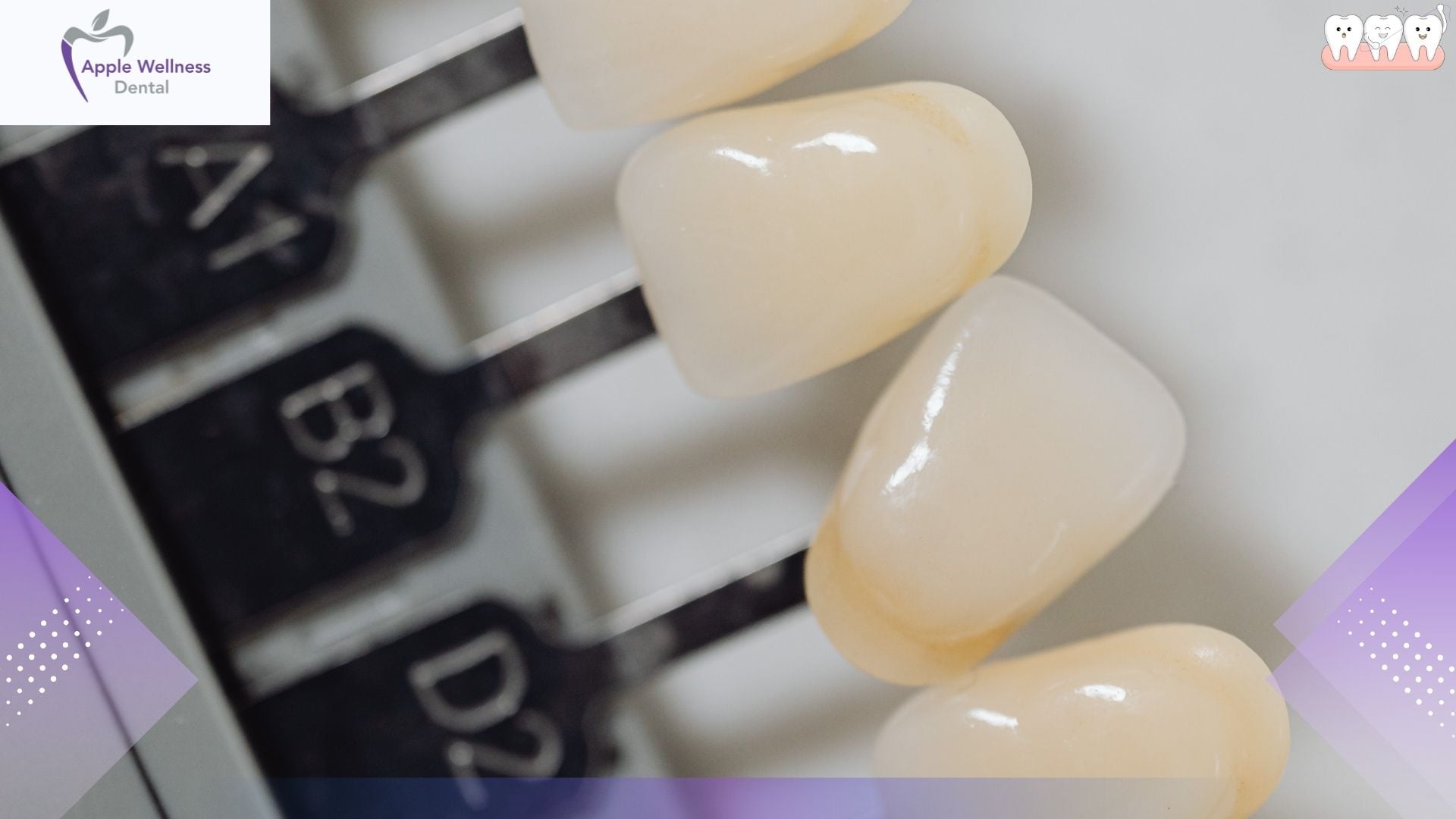
Porcelain veneers, also known as dental laminates, are ultra-thin shells of medical-grade ceramic that are custom-bonded to the front surfaces of teeth. As of 2026, advancements in digital dentistry and materials science have significantly enhanced the durability of these cosmetic restorations. Unlike natural enamel, porcelain is non-porous, making it highly resistant to staining from coffee, tea, and tobacco. However, while the porcelain itself is virtually indestructible under normal physiological conditions, the bond interface and the supporting tooth structure remain vulnerable to wear and decay over time.
The longevity of these ceramic shells is primarily determined by the material composition. Traditionally, feldspathic porcelain was the gold standard due to its unmatched aesthetic translucency. However, modern cosmetic dentistry frequently utilizes lithium disilicate (such as IPS e.max), which boasts a flexural strength of 360 to 400 Megapascals (MPa). This high flexural strength allows the restorations to withstand the intense masticatory forces generated during chewing. According to research published by the National Center for Biotechnology Information (NCBI), lithium disilicate restorations exhibit significantly lower fracture rates over a ten-year period compared to traditional feldspathic options.
As Dr. Marcus Vance, clinical director of the Dental Restorative Institute, explains: “We see lithium disilicate veneers consistently surpassing the 15-year mark because of their high flexural strength, which averages around 360 to 400 MPa. This structural integrity, combined with modern adhesive protocols, has completely redefined our expectations for cosmetic longevity.” This clinical reality highlights the importance of selecting the right material for your specific bite and lifestyle.
Key Factors That Influence Veneer Longevity
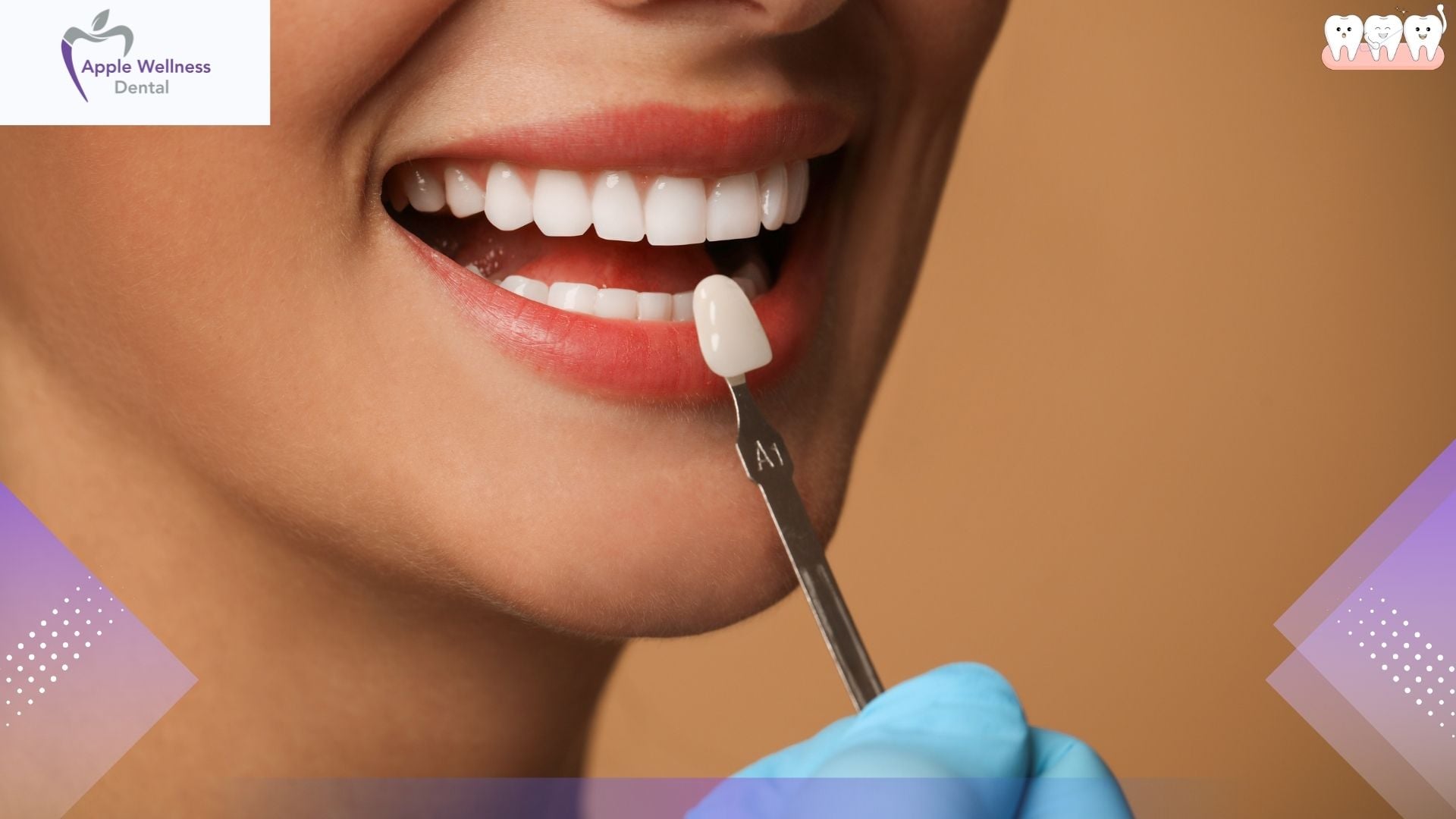
Several critical variables dictate how long your cosmetic restorations will remain intact and beautiful. The first is the skill and precision of the treating clinician. A successful veneer placement requires a meticulous preparation process, where approximately 0.5 millimeters of enamel is removed to accommodate the thickness of the porcelain facing. If the dentist removes too much enamel and exposes the underlying dentin, the bond strength is reduced by up to 50%, as adhesive resins bond far more securely to enamel than to dentin. Precise margin placement is also vital to prevent microleakage, a condition where bacteria infiltrate the microscopic gap between the veneer and the tooth, leading to decay.
The second factor is patient-controlled habits. Bruxism, or nocturnal teeth grinding, is one of the leading causes of premature veneer failure. The lateral forces exerted during grinding can easily exceed 800 Newtons of force, which can cause cohesive fractures in the porcelain or complete debonding of the restoration. Patients who grind their teeth must wear a custom-fabricated occlusal guard (nightguard) to protect their investment. Additionally, using teeth as tools to open packages, bite nails, or chew on hard objects like ice or pens will inevitably lead to structural failure.
Finally, oral hygiene plays a decisive role. While the porcelain shell itself cannot develop cavities, the natural tooth structure supporting it is still highly susceptible to decay. If plaque is allowed to accumulate along the gumline, it can cause gum recession. This recession exposes the margin where the veneer meets the natural tooth, leaving it vulnerable to root caries (decay) and compromising the aesthetic transition of the smile. Meticulous daily flossing and brushing are non-negotiable for preserving the underlying foundation.
What the Research Says: Clinical Data and Statistics
To understand the true lifespan of these restorations, we must look at long-term clinical data. A landmark retrospective study published in the Journal of Dentistry evaluated over 2,500 porcelain veneers over a 20-year period. The study revealed a remarkable 93.5% survival rate at 10 years, which only slightly decreased to 83% at the 20-year mark. This data proves that when executed correctly, porcelain laminates are one of the most reliable and durable treatments in modern cosmetic dentistry.
Furthermore, clinical surveys conducted by the American Academy of Cosmetic Dentistry (AACD) indicate that over 96% of patients who invest in porcelain restorations report high levels of satisfaction even a decade after the initial procedure. The high satisfaction rate is attributed not only to the durability of the material but also to its ability to maintain its original color and luster over time. Unlike composite bonding, which tends to discolor and lose its polish within 3 to 5 years, high-quality porcelain remains virtually unchanged by dietary stains.
According to the American Dental Association (ADA), the primary reasons for veneer replacement include aesthetic dissatisfaction due to gum recession (30%), structural chipping or fracture (25%), and recurrent decay at the margins (15%). These statistics emphasize that the longevity of your smile is heavily dependent on maintaining healthy periodontal tissues and protecting the restorations from mechanical trauma.
Porcelain vs. Composite Veneers: A Longevity Comparison
When exploring cosmetic smile enhancement, patients often compare porcelain laminates with composite resin veneers. While composite veneers offer a lower initial financial investment and can be completed in a single visit, they fall short in terms of durability, stain resistance, and overall lifespan. Composite resin is a mixture of plastic acrylic and fine glass particles, which is inherently softer and more porous than dental ceramic. Consequently, composite restorations are highly prone to chipping, surface wear, and discoloration from dark foods and beverages.
In contrast, porcelain is a highly glazed, sintered glass-ceramic that mimics the physical properties of natural tooth enamel. It is highly resistant to abrasive wear and completely impervious to staining. The following table provides a detailed comparison of the key performance metrics between these two popular cosmetic options:
| Performance Metric | Porcelain Veneers | Composite Veneers |
|---|---|---|
| Average Lifespan | 10 to 20 Years | 5 to 7 Years |
| Material Composition | Lithium Disilicate / Feldspathic Ceramic | Acrylic Resin with Glass Fillers |
| Flexural Strength | 360 to 400 MPa | 100 to 150 MPa |
| Stain Resistance | Extremely High (Impervious) | Moderate to Low (Porous) |
| Repairability | Requires Replacement if Fractured | Can be Patched In-Office |
| Enamel Preparation | 0.5 mm Reduction Required | Minimal to No Reduction |
As Dr. Sarah Jenkins, a leading prosthodontist at the American Academy of Cosmetic Dentistry (AACD), notes: “While composite resin serves as an excellent short-term or budget-friendly option, patients looking for a long-term, highly aesthetic transformation almost always choose porcelain. The difference in material integrity, light reflection, and resistance to wear over a ten-year period is night and day.”
How to Extend the Lifespan of Your Cosmetic Restorations
Maximizing the lifespan of your porcelain laminates requires a combination of proactive home care and professional intervention. By adopting a protective routine, you can easily extend the life of your veneers well past the 15-year mark. Follow these five essential steps to safeguard your cosmetic investment:
- Commit to Meticulous Oral Hygiene: Brush your teeth at least twice daily using a soft-bristled toothbrush and a non-abrasive fluoride toothpaste. Avoid toothpastes containing baking soda, charcoal, or harsh whitening silica, as these abrasive agents can scratch the polished glaze of the porcelain over time. Floss daily to remove plaque from the vulnerable margins where the veneer meets the natural tooth.
- Wear a Protective Nightguard: If you exhibit any signs of nocturnal bruxism—such as morning jaw soreness, headaches, or wear facets on your natural teeth—ask your dentist for a custom-fabricated occlusal guard. This hard acrylic appliance absorbs the destructive forces of grinding, protecting both your restorations and your temporomandibular joints (TMJ).
- Avoid Using Your Teeth as Tools: Never use your front teeth to tear open plastic packaging, bite fingernails, chew on ice, or hold metal objects like bobby pins. These activities exert concentrated, unnatural forces on the incisal edges of the veneers, leading to immediate chipping or debonding.
- Limit Hard and Sticky Foods: While you can eat a normal diet with veneers, exercise caution with extremely hard or sticky substances. Avoid biting directly into whole apples, raw carrots, or hard crusty bread with your veneered teeth; instead, cut these foods into smaller, bite-sized pieces to distribute the chewing forces to your stronger molars.
- Maintain Regular Professional Cleanings: Visit your dental team every six months for a professional cleaning and examination. During these visits, the hygienist will use specialized, non-abrasive polishing pastes to maintain the luster of your restorations, while the dentist will inspect the margins for any signs of microleakage, decay, or structural compromise.
Signs Your Veneers Need to Be Replaced
Despite your best efforts, porcelain veneers will eventually reach the end of their functional lifespan. Recognizing the early signs of failure allows you to address the issues before they lead to more severe dental complications. The most common indicator that your restorations need replacement is gum recession. As we age, our gums naturally recede, exposing the root of the tooth and the margin of the veneer. This not only creates an unsightly dark line at the gumline but also leaves the exposed natural tooth structure vulnerable to decay.
Another clear sign of failure is debonding or movement. If a veneer feels loose, shifts when you bite, or completely detaches from the tooth, the adhesive bond has failed. In some cases, if the veneer is completely intact and the underlying tooth is healthy, a dentist can clean and re-bond the original restoration. However, if the veneer has cracked or chipped, a complete replacement is necessary. Structural damage compromises the integrity of the restoration and can harbor bacteria, increasing the risk of decay.
Finally, dark stains appearing beneath the porcelain or around the edges indicate microleakage. This occurs when the resin cement degrades, allowing oral fluids and bacteria to seep under the shell. As Dr. Elena Rostova, a biomaterials researcher, explains: “The adhesive bond interface between the hydrofluoric acid-etched porcelain and the resin-cemented enamel is incredibly resilient, but it remains vulnerable to microleakage if oral hygiene is neglected or if the initial bond was compromised by moisture during placement. Once microleakage occurs, replacement is the only viable option to prevent decay of the underlying tooth structure.”
The Replacement Process: What to Expect
Replacing porcelain veneers is a highly precise procedure that closely mirrors the initial placement process, though it requires specialized care to protect the remaining natural tooth structure. The first step involves carefully removing the old porcelain shell. Because the veneer is fused to the enamel, the dentist must use a specialized high-speed diamond bur or an advanced dental laser, such as an Er:YAG laser, to gently vaporize the bonding resin without damaging the underlying enamel. This process requires extreme precision and a steady hand.
Once the old restoration is removed, the dentist will thoroughly clean the tooth and evaluate the health of the remaining enamel. If any decay has developed along the margins, it will be gently removed and restored with a composite filling. In some cases, a minor re-preparation of the tooth may be necessary to ensure a clean, smooth surface for the new restoration. The dentist will then take a highly accurate digital impression of your teeth using an intraoral scanner, which is sent to a dental laboratory where your custom replacement veneers are fabricated.
While your permanent restorations are being crafted, temporary veneers are placed to protect your teeth from sensitivity and maintain your smile’s appearance. Once the laboratory delivers the new porcelain shells, the dentist will try them in to verify the fit, shape, and color. After making any necessary adjustments, the teeth are etched, silanated, and the new veneers are permanently bonded using state-of-the-art resin cement, restoring your smile’s beauty and function for another 10 to 20 years.
Frequently Asked Questions
Do porcelain veneers stain over time?
No, high-quality porcelain is non-porous and highly resistant to staining from coffee, tea, red wine, and tobacco. However, the resin cement used to bond the veneers to your teeth can discolor over time, especially if you have gum recession or practice poor oral hygiene.
Is the porcelain veneer procedure painful?
The procedure is typically associated with minimal discomfort. Local anesthetic is used during the tooth preparation and bonding phases to ensure you feel no pain. Some patients experience temporary tooth sensitivity to hot and cold temperatures for a few days after placement, which quickly resolves.
Can a chipped porcelain veneer be repaired?
Minor chips can sometimes be smoothed down or patched with a composite resin material as a temporary fix. However, because composite does not bond as strongly to porcelain as it does to natural enamel, a significantly chipped or fractured veneer will ultimately require complete replacement to restore its structural integrity.
What happens if a veneer falls off?
If a veneer detaches, keep it safe in a clean container and contact your dentist immediately. Do not attempt to glue it back on yourself with over-the-counter adhesives, as this can damage your tooth and the restoration. If the veneer is intact and the underlying tooth is healthy, your dentist can often re-bond it.
Do veneers ruin your natural teeth?
No, veneers do not ruin your natural teeth. In fact, they protect the front surface of the teeth from wear and decay. However, because a small amount of enamel (typically 0.5 mm) must be removed to ensure a flush, natural fit, the procedure is irreversible, and your teeth will always require some form of restoration.
Can you get cavities under porcelain veneers?
Yes, while the porcelain veneer itself cannot decay, the natural tooth structure behind and beneath it is still susceptible to cavities. If plaque accumulates along the margins of the veneer, decay can develop, which may compromise the restoration and require its removal and replacement.
Conclusion
Porcelain veneers represent a premier, highly durable investment in your self-confidence and oral health. With an average lifespan of 10 to 15 years—and the potential to last up to 20 years with meticulous care—these advanced cosmetic restorations offer unmatched aesthetic beauty and structural resilience. By maintaining excellent oral hygiene, wearing a protective nightguard if you grind your teeth, and avoiding habits that place undue stress on your teeth, you can enjoy a radiant, flawless smile for decades to come. If you are ready to transform your smile with durable, high-quality cosmetic restorations, contact us today to schedule a comprehensive consultation with our experienced team.
References
- American Dental Association (ADA): https://www.ada.org
- American Academy of Cosmetic Dentistry (AACD): https://www.aacd.com
- National Center for Biotechnology Information (NCBI): https://www.ncbi.nlm.nih.gov
- Wikipedia (Veneer): https://en.wikipedia.org