
Mac and Cheese After Tooth Extraction: Is It Safe and When Can You Have It?
Getting a tooth pulled is stressful enough without having to spend the days after staring at a near-empty pantry wondering what you’re actually allowed to eat. And if mac and cheese crossed your mind, you’re far from alone. It’s soft, it’s filling, it’s comforting — and for a lot of people, it’s one of the first “real” foods they want after surviving a procedure on an empty stomach. So can you eat mac and cheese after a tooth extraction? The short answer is yes, but the timing and preparation matter more than most people expect.
This guide breaks down exactly when mac and cheese becomes safe after an extraction, how to prepare it correctly to protect the healing socket, what to watch out for, and how it fits into the broader recovery diet. You’ll also find a full post-extraction food timeline, a list of safe and unsafe food categories, and a detailed FAQ covering the most common questions patients ask about eating during recovery.
Key Takeaways
- Mac and cheese is generally safe to eat after a tooth extraction, but timing matters — most dentists recommend waiting at least 24 to 48 hours before introducing it.
- Temperature is critical: mac and cheese must be lukewarm or cool, never hot, to avoid disturbing the blood clot in the socket.
- Preparation style matters — well-cooked, soft, creamy mac and cheese is far safer than baked or crusty versions with hard toppings.
- Never use a straw at any point during early recovery; the suction can dislodge the blood clot and cause dry socket.
- Your overall diet during recovery should prioritize protein, vitamins, and minerals to actively support tissue healing.
- When in doubt about any food, contacting your dental team directly is always the right call — professional guidance is what prevents setbacks.
Overview
This article covers everything you need to know about eating mac and cheese after a tooth extraction and how it fits into a safe and nutritious recovery diet. We explain the biology of the healing socket so you understand why certain foods are restricted, then walk through a day-by-day dietary timeline that shows exactly where mac and cheese lands in the progression. We also cover how to prepare it safely, which variations to avoid, and what other foods complement it during recovery. Our FAQ section addresses the most-searched questions on post-extraction eating. Throughout, we explain why following your dentist’s guidance — rather than general rules — gives you the best chance of a smooth, complication-free recovery.
Why Your Diet Matters So Much After a Tooth Extraction
A tooth extraction leaves a socket — an open wound in the jawbone — that heals through a precisely staged biological process. Within the first 24 hours, a blood clot forms at the base of the socket. This clot is the single most important element of early healing. It covers exposed bone and nerve endings, acts as a physical seal against bacteria entering the wound, and provides the scaffold on which new gum tissue and eventually bone will form. Everything about your diet in the first few days of recovery comes down to protecting that clot.
Foods that are too hot increase blood flow to the area and can dissolve or dislodge the clot. Foods that are too hard or crunchy can physically knock the clot loose or lodge debris inside the socket. Foods that are sticky can pull at the wound edges. And anything that creates suction in the mouth — including using a straw — generates negative pressure that can pull the clot right out of the socket, triggering a painful condition called dry socket. Understanding what to eat after tooth extraction and why each restriction exists makes it far easier to stick to them and far less likely you’ll accidentally undo the healing your body has started.
Beyond clot protection, your diet during recovery also supplies the raw materials your body needs to build new tissue. Protein provides the amino acids required for collagen production — the structural protein that forms new gum and connective tissue. Vitamin C supports the enzymatic processes involved in collagen synthesis. Zinc supports cellular repair and immune function. Calcium and phosphorus feed the bone remodeling that fills the socket over weeks. Eating well during this period doesn’t just keep you comfortable — it actively accelerates healing.
Can I Eat Mac and Cheese After Tooth Extraction: The Direct Answer
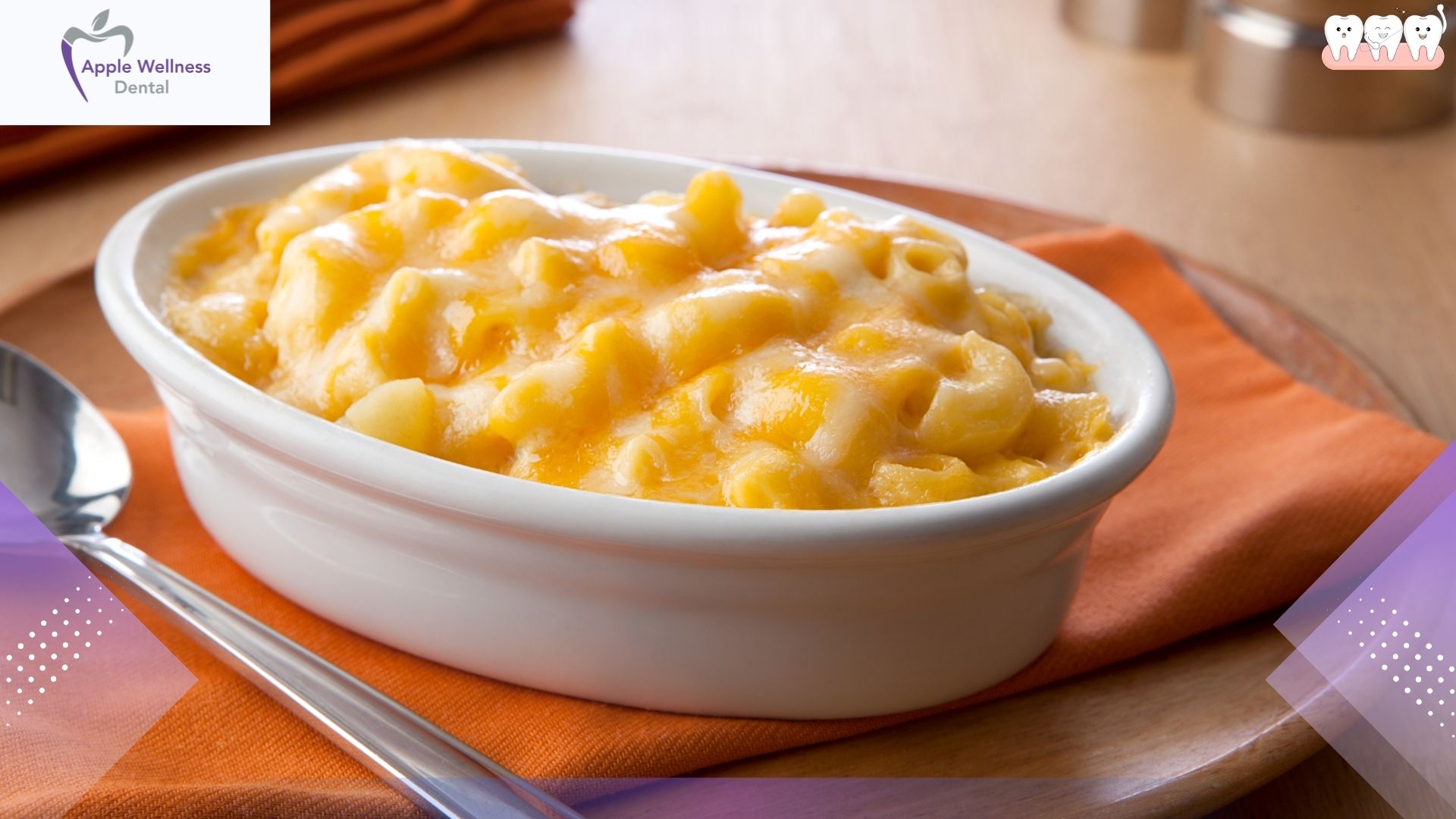
Yes — mac and cheese is one of the more appropriate comfort foods for the post-extraction recovery period, provided it is prepared and consumed correctly. Multiple dental sources and post-operative diet guides list macaroni and cheese explicitly as an approved soft food option during tooth extraction recovery, typically recommended from day two or three onward. Its primary advantages are its soft texture when cooked thoroughly, its calorie density (which helps maintain energy levels when solid food options are limited), and its relative ease of eating without vigorous chewing.
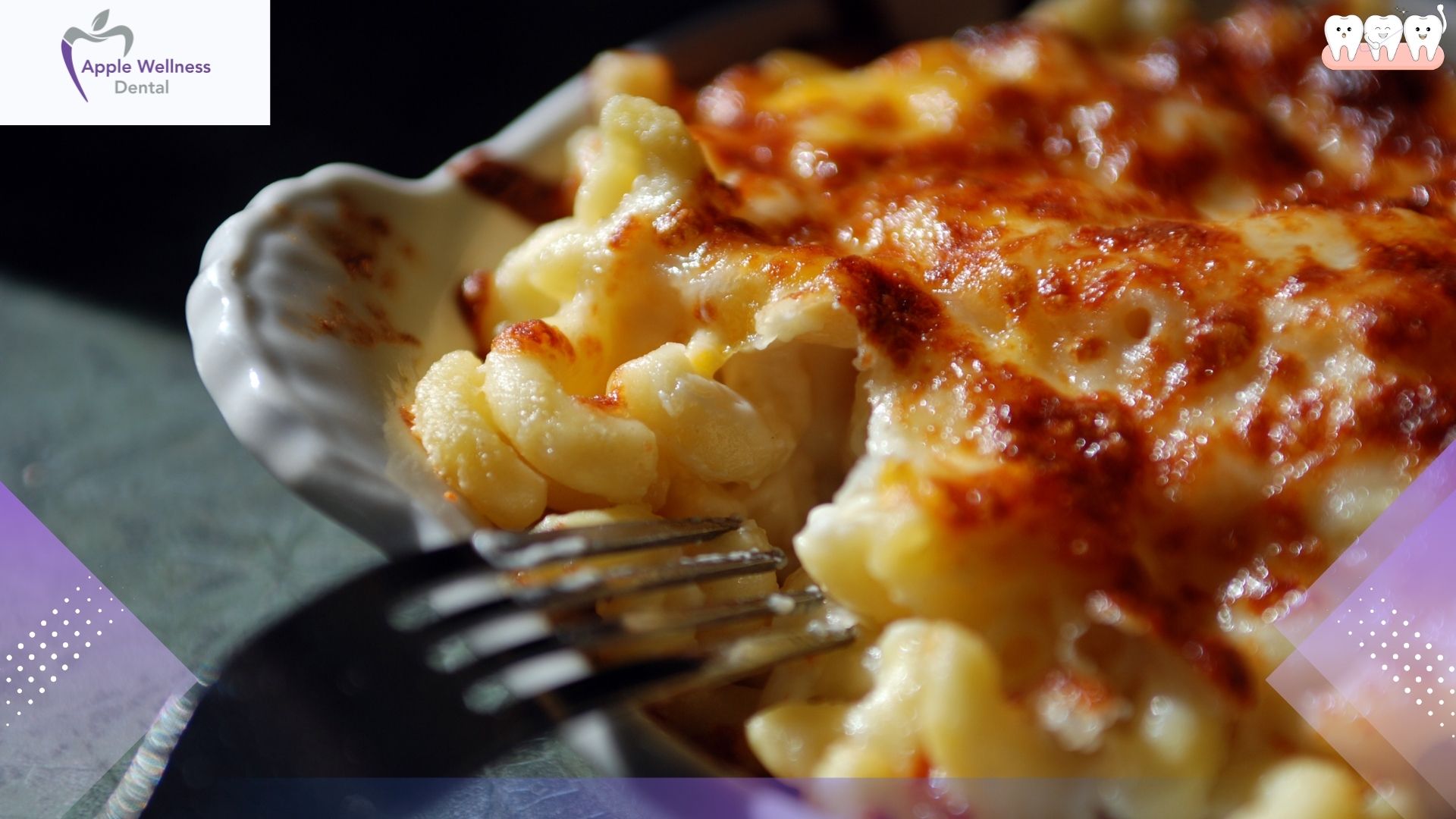
However, not all versions of mac and cheese are equally appropriate. The safest preparation is well-cooked, creamy stovetop mac and cheese where the pasta is tender enough to press apart with minimal tongue-to-palate pressure. Baked mac and cheese — especially varieties with a crispy breadcrumb topping, browned crust, or firm pasta edges — is a different story. The hard, crunchy elements of a baked version can dislodge the blood clot or leave sharp crumbs in the socket. The preparation method determines whether mac and cheese is a helpful recovery food or a potential complication risk.
The Temperature Rule
The most important rule when eating mac and cheese after tooth extraction is temperature. Hot food — particularly very hot, steaming mac and cheese straight off the stove — poses a real risk to the healing socket. Heat increases blood circulation in the area, which can destabilize the clot, encourage bleeding to restart, and cause tissue irritation around the wound edges. For the first several days of recovery, all food should be consumed at a lukewarm or room-temperature level. Let mac and cheese cool fully after cooking before eating it. If you’re reheating leftovers, allow them to come to a gentle warmth rather than piping hot. When in doubt, err on the side of cooler.
The Texture Rule
Pasta that is cooked al dente — firm with a slight bite — is not appropriate during early recovery. The point of resistance that al dente pasta provides requires jaw force that translates into pressure and movement near the extraction site. Cook the pasta well past the usual recommendation until it is genuinely soft and separates easily without any real chewing effort. This may feel overcooked by normal culinary standards, but it is exactly the right texture for protecting a healing socket. The sauce should be creamy and smooth without any hard inclusions like bacon bits, breadcrumbs, crispy onions, or coarse pepper flakes.
When Can You Actually Start Eating Mac and Cheese After Extraction
The timing of when you can safely eat mac and cheese after an extraction depends on the complexity of the procedure and how your healing is progressing. Here is a practical day-by-day framework that most patients can follow, keeping in mind that your own dentist’s post-operative instructions always take precedence over any general guideline.
Day 1: Liquids and Ultra-Soft Foods Only
The first 24 hours after extraction are the most critical for blood clot formation and stability. During this window, the recommendation is to stick to cool or room-temperature liquids and foods that require zero chewing — water, diluted juice, yogurt, pudding, gelatin, and broths. Mac and cheese is not appropriate on day one, even if it is soft, because the act of chewing and swallowing pasta creates enough oral movement to risk the freshly formed clot. Keeping the mouth as calm as possible during this phase gives the clot the best conditions to stabilize.
Days 2 to 3: Introducing Soft Solids
By the second or third day, the blood clot has had adequate time to firm up and begin converting into granulation tissue — the first stage of actual wound repair. This is the point at which most dental professionals give the green light for soft, semi-solid foods that require only gentle chewing. Mac and cheese prepared as described — well-cooked, creamy, cool to lukewarm — fits this category comfortably. Eat on the side opposite the extraction site, take small bites, and chew slowly without generating strong jaw movement. Many patients find that eating in this mindful way becomes second nature within the first day or two of practice. For a complete breakdown of the full recovery eating schedule, our guide to how long after extraction you can eat normally walks through the progression week by week.
Days 4 to 7: Continuing Soft Food Progression
By the end of the first week, most patients with uncomplicated single-tooth extractions are healing well and can expand their food variety further. Mac and cheese continues to be an appropriate and convenient option throughout this phase. You may also begin introducing other soft foods that require slightly more chewing — tender cooked fish, scrambled eggs with fillings, soft bread without crusts, and mashed root vegetables. The rule is still to avoid anything hard, crunchy, sticky, or that crumbles into small pieces that could enter the socket. Wisdom tooth removal typically extends the soft food period to two weeks or longer due to the larger socket and more complex healing involved. Our dedicated resource on what to eat after wisdom tooth extraction covers this extended timeline in full detail.
How to Prepare Mac and Cheese Safely for Extraction Recovery
The preparation of mac and cheese for recovery eating is slightly different from how you might normally make it. These adjustments are straightforward and don’t require much additional effort, but they make a meaningful difference in how safe the food is for a healing socket.
Stovetop Over Baked
Choose stovetop preparation over any baked version during the recovery period. Stovetop mac and cheese produces a consistently soft, creamy result that requires no chewing of hard textures. Baked mac and cheese — even when the pasta itself is soft — typically has a firmer, chewier outer crust or browned topping that introduces exactly the kind of texture you want to avoid. If baked mac and cheese is your preference normally, save it for after you’ve fully healed.
Overcook the Pasta
Cook your pasta for one to two minutes beyond the package’s recommended time. The goal is a texture where individual pieces yield immediately when pressed between the tongue and the roof of the mouth with no jaw force required. The pasta should be completely tender throughout, with no firm core remaining. This level of softness is what allows mac and cheese to be eaten without the chewing motion that could disturb the socket.
Keep the Sauce Smooth and Simple
Use a smooth, creamy cheese sauce without chunky additions. Avoid recipes that incorporate breadcrumbs, crispy bacon, jalapeños, coarse spices, or anything else that introduces a hard or sharp texture. A simple butter-milk-cheese base works perfectly. If you enjoy a richer flavor, adding a small amount of cream cheese or sour cream to the sauce makes it even smoother and easier to eat without increasing any textural risk. Season gently — avoid heavy pepper or spicy seasoning that could irritate the healing gum tissue.
Serve Cool or Lukewarm
Let the mac and cheese rest for at least five to ten minutes after cooking before eating. It should feel warm to the touch of your lips but not produce steam or feel hot in the mouth. If you’ve reheated it, add a small splash of milk to the portion you’re reheating to keep it creamy rather than dry, and allow it to cool to a safe temperature before eating. Hot dairy products also have a mild tendency to cling to soft tissue around the wound, which is an additional reason to avoid eating them at high temperature during recovery.
What Mac and Cheese Provides Nutritionally During Recovery
Beyond being comfortable to eat, mac and cheese offers a meaningful nutritional profile for post-extraction recovery. Understanding what it contributes helps you see it as more than just a comfort food — it can be a genuinely useful part of your healing diet.
Calories and Energy
Maintaining adequate calorie intake is harder than usual after an extraction because so many normally convenient foods are off the menu. Skipping meals or significantly under-eating slows healing, reduces immune function, and can prolong recovery. Mac and cheese is calorie-dense enough to help you meet your energy needs even when portion sizes are modest. A standard serving delivers a meaningful amount of carbohydrates for fuel and fat from the cheese sauce, both of which support the energy demands of active tissue repair.
Protein and Calcium
The cheese component of mac and cheese provides both protein and calcium — two nutrients that play direct roles in healing after an extraction. Protein supplies amino acids needed for collagen synthesis, which is the process by which new connective tissue fills the socket. Calcium supports the bone remodeling that occurs in the socket over the weeks following extraction. Adding an extra serving of grated cheese or a spoonful of cream cheese to your mac and cheese boosts both of these nutrients without altering the texture in a way that affects safety. For context on why dairy nutrition sometimes intersects with post-extraction care, our article on dairy and tooth extraction healing addresses a common question about dairy products during recovery.
Other Soft Foods That Pair Well With Mac and Cheese During Recovery
Mac and cheese is an excellent anchor food for the recovery period, but a varied diet gives your body better nutritional coverage and prevents the meal fatigue that can make patients feel tempted to eat something unsafe out of boredom. Here are categories of foods that work well alongside it during the post-extraction soft food phase.
Protein Sources
Scrambled eggs are one of the most recommended protein sources for post-extraction recovery — they require virtually no chewing, cook quickly, and deliver a complete amino acid profile. Greek yogurt, cottage cheese, silken tofu, and flaked white fish are all equally appropriate. Smooth nut butter spread onto very soft bread can also contribute protein, provided the bread is fresh, soft, and has no hard crust. These foods complement mac and cheese well because they introduce variety in flavor while maintaining the same safety profile texturally.
Soft Vegetables and Fruits
Mashed sweet potato, pureed butternut squash, mashed carrots, and smooth avocado all provide vitamins and minerals that support wound healing without requiring chewing. Mashed banana, applesauce, and ripe canned peaches provide vitamin C and natural sugars in a completely safe format. These foods round out the nutritional picture that mac and cheese establishes with its carbohydrate and protein contributions. Together, they create a balanced recovery diet that covers the macronutrient and micronutrient needs of an actively healing body.
Blended Soups and Broths
Blended soups — pureed vegetable bisques, smooth potato and leek, cream of carrot — are ideal recovery foods because they hydrate, deliver nutrients, and can be made very rich and calorie-dense by blending in a spoonful of cream, butter, or olive oil. Bone broth is particularly valuable for its collagen, glycine, and mineral content. Eating a bowl of blended soup alongside a portion of mac and cheese creates a complete and satisfying meal that serves recovery well. Always make sure soups are served lukewarm, not hot. Our resource on healing gums after an extraction covers how diet choices throughout the recovery period influence healing outcomes.
Foods to Keep Off Your Plate During Recovery
Understanding what to avoid is equally important to knowing what is safe. Several food categories remain firmly off-limits throughout the first week of recovery, and some should be avoided for longer depending on your individual healing progress.
Hard, Crunchy, and Crumbly Foods
Chips, crackers, toast, raw vegetables, nuts, popcorn, granola, and anything else that fractures when bitten are among the most common causes of post-extraction complications. Fragments from these foods can lodge directly in the socket, introduce bacteria, and physically disturb the clot or the forming granulation tissue. These foods should be avoided for a minimum of seven days after a straightforward extraction and longer after a surgical procedure. The hard, crispy topping found on some baked pasta dishes — including baked mac and cheese — falls into this category.
Sticky and Chewy Foods
Gummy candies, caramel, chewy meats, bagels, and even some dried fruits require sustained jaw movement and can pull at the wound margins. Sticky foods can also adhere to the socket opening in a way that is difficult to clean without vigorous rinsing, which itself poses a risk in the early recovery phase. Avoid these entirely for the first week at minimum.
Hot Foods and Beverages
Hot coffee, hot tea, hot soup, and freshly cooked food served at high temperature all increase blood flow to the area and risk destabilizing the clot. This restriction typically applies most critically during the first 24 to 48 hours, after which lukewarm temperatures become appropriate. It is reasonable to continue being cautious about very high temperatures for the first week as a general precaution.
Acidic and Spicy Foods
Citrus juices, vinegar-based dressings, hot sauce, chili, and heavily spiced foods can chemically irritate the healing wound tissue and trigger pain or inflammation. These foods are best avoided for the first week and reintroduced gradually once the gum tissue has closed adequately over the socket.
Connect With Our Team for Post-Extraction Support
Recovery after a tooth extraction goes most smoothly when you have professional guidance to fall back on — not just internet searches at midnight wondering whether a specific food is allowed. If you have questions about your recovery diet, concerns about how your socket looks or feels, or simply want a follow-up check to make sure healing is on track, our team at Apple Wellness Dental is ready to help. We’re located at 229 1st Street SW, Airdrie, AB, and you can reach us directly at +1 587 332 6767. Post-operative care is one of the most important parts of any extraction procedure — and we take it as seriously as the procedure itself. Whether you had a simple extraction or something more involved, our team provides clear, personalized aftercare guidance so your recovery doesn’t have to feel like guesswork.
Common Questions About Can I Eat Mac and Cheese After Tooth Extraction
Q: How soon after a tooth extraction can I eat mac and cheese?
A: Most patients can safely eat mac and cheese starting on day two or three after a tooth extraction, once the blood clot has had adequate time to stabilize. The pasta must be cooked until very soft, the sauce should be smooth and creamy without hard add-ins, and the temperature must be lukewarm — never hot. On day one, stick exclusively to cool liquids and foods that require no chewing at all.
Q: Can I eat baked mac and cheese after a tooth extraction?
A: Baked mac and cheese is generally not recommended during the post-extraction recovery period. The baked version typically produces a firmer, chewier texture and often includes a crispy breadcrumb or browned cheese topping that can fracture into sharp crumbs. These crumbs can enter the extraction socket and disrupt healing. Stovetop mac and cheese — well-cooked and creamy — is the safer alternative during recovery.
Q: Does mac and cheese have the nutrition I need for tooth extraction recovery?
A: Mac and cheese provides carbohydrates for energy, protein from the cheese, and calcium that supports bone remodeling in the socket. It is a helpful component of a recovery diet, though not nutritionally complete on its own. Pairing it with scrambled eggs, yogurt, soft fruits, and pureed soups throughout the day covers a broader range of vitamins, minerals, and protein that actively support tissue repair.
Q: Can I eat mac and cheese after wisdom tooth removal?
A: Yes, with the same preparation conditions that apply after a standard extraction — soft, creamy, lukewarm, and free of hard toppings. Wisdom tooth extraction recovery typically requires a longer soft-food period of one to two weeks due to the larger socket size and more complex surgical nature of the procedure. Follow your oral surgeon’s or dentist’s specific post-operative instructions, as wisdom tooth cases vary significantly between patients.
Q: What if food gets into my extraction socket while eating mac and cheese?
A: Small amounts of soft food entering the socket is relatively normal during the recovery period, particularly after the first few days. After day one, you can perform very gentle warm salt water rinses — letting the water fall out of the mouth naturally rather than spitting with force — to help dislodge food particles without disturbing the forming tissue. If food is lodged and causing pain or discomfort that doesn’t resolve with gentle rinsing, contact your dental team for guidance.
Q: Can I eat mac and cheese on the same day as my tooth extraction?
A: No. On the day of extraction, the priority is strict protection of the newly formed blood clot. Even soft foods like mac and cheese require chewing and oral movement that creates unnecessary risk in the first few hours. Stick to cool liquids and completely textureless foods like yogurt, pudding, or gelatin for the first 24 hours. Mac and cheese becomes appropriate from day two or three when the clot is more stable.
Q: What temperature should mac and cheese be when I eat it after a tooth extraction?
A: Mac and cheese should be cool to lukewarm — warm enough to enjoy the flavor and texture, but not producing steam or feeling hot in the mouth. Hot food increases blood flow to the extraction area and can disrupt the blood clot, especially in the first 48 hours. Let it cool for several minutes after cooking before eating, and never eat it directly out of a freshly heated pot or microwave.
Q: Is the cheese in mac and cheese safe after tooth extraction, or should I avoid dairy?
A: Cheese itself is not harmful to an extraction socket. Some post-operative guidelines around dairy relate to specific concerns about certain dairy products and probiotic interactions in particular patients — your dental team is the right source for advice specific to your procedure. Generally speaking, cheese is a soft, safe, protein- and calcium-rich food that fits well within a post-extraction recovery diet.
Q: Are there any types of mac and cheese I should specifically avoid after an extraction?
A: Yes — avoid baked mac and cheese with crispy toppings or browned pasta edges; any version with added hard proteins like crispy bacon or fried onions; very spicy varieties; and mac and cheese eaten at a hot temperature straight from cooking. Also avoid varieties with large, thick pasta shapes that require more jaw force to break apart. Stick to small elbow macaroni cooked until very soft in a smooth, creamy cheese sauce.
Q: What other pasta dishes are safe to eat after a tooth extraction?
A: Well-cooked soft pasta with cream-based or butter-based sauces is generally appropriate from day two or three onward. Small pasta shapes like elbows, orzo, or small shells cooked until very soft work well. Avoid pasta with chunky tomato-based sauces (the acidity can irritate the socket), stringy or chewy pasta shapes, and any pasta dish with hard toppings or crunchy garnishes. Plain buttered pasta or soft pasta in a smooth cream sauce is a reliable, safe option throughout the first week of recovery.
Q: How do I know if my extraction socket is healing properly while I’m following a soft food diet?
A: Signs of normal healing include gradually decreasing pain after the second day, mild swelling that peaks at 48 to 72 hours and then reduces, the presence of a dark clot visible in the socket, and gum tissue that slowly closes over the wound over several days. Warning signs that require professional attention include pain that worsens after day two or three, a visible empty socket where the clot used to be, fever, increasing swelling, pus, or a persistent foul taste. If you notice any of these, contact your dental team promptly rather than waiting to see if they resolve on their own.
Conclusion
Mac and cheese earns its place as one of the more practical and satisfying foods you can turn to during tooth extraction recovery. It’s soft, calorie-rich, comforting, and easy to prepare in a way that is safe for a healing socket. The key conditions — lukewarm temperature, pasta cooked until genuinely soft, a smooth and creamy sauce without hard toppings, and no baked versions with crispy edges — are straightforward to follow once you understand the reasoning behind them. Introduce it from day two or three, eat gently on the side away from the socket, and pair it with other soft, nutritious foods to support the healing your body is working hard to complete.
If you have any questions about your recovery diet after an extraction, or if you’re concerned about how your healing is progressing, the team at Apple Wellness Dental in Airdrie is always available to help. Recovery is a process that benefits enormously from professional support — and knowing you can ask questions freely about something as specific as whether you can eat mac and cheese after a tooth extraction is exactly the kind of care you deserve to receive.