
When Can I Drink Alcohol After Tooth Extraction? A Complete Healing Timeline
You should wait at least 7 to 10 days before drinking alcohol after a tooth extraction. This waiting period allows the protective blood clot to stabilize and the initial soft tissue healing to complete. Consuming alcohol too early significantly increases your risk of developing a painful dry socket, delays wound closure, and can lead to complications like excessive bleeding or infection.
Key Takeaways
- Wait a minimum of 7 to 10 days after extraction before consuming any alcoholic beverage.
- Alcohol interferes with blood clot formation, the body’s natural bandage over the extraction site.
- Drinking too soon is the leading cause of dry socket, a severely painful condition requiring emergency dental care.
- Beer, wine, and spirits all pose equal risks to the healing socket during the first week.
- Mixing alcohol with prescribed painkillers or antibiotics can cause dangerous drug interactions.
- Staying hydrated with water and consuming soft, nutrient-dense foods accelerates recovery.
- If you experience throbbing pain days after the procedure, contact your dental office immediately.
Understanding the Healing Process After an Extraction
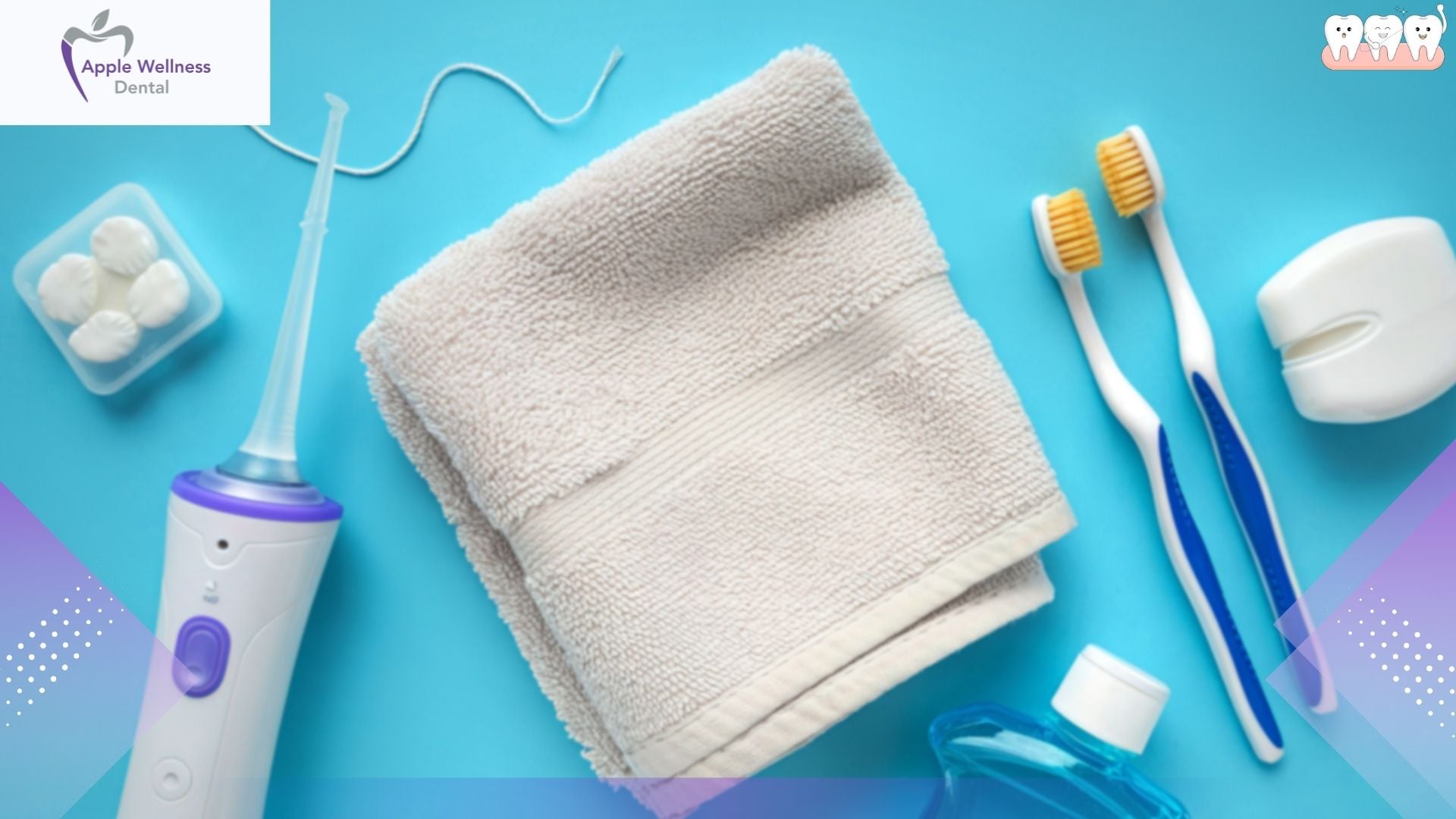
The moment a tooth is removed, your body initiates a complex cascade of biological events designed to close the wound. Within minutes, a blood clot forms inside the empty socket. This clot is not just a scab; it serves as a protective scaffold that shields the underlying bone and nerve endings from air, food particles, and bacteria. According to the American Association of Oral and Maxillofacial Surgeons, the first 24 to 48 hours are the most critical for clot stabilization. Dislodging this clot prematurely exposes the alveolar bone, leading to a condition known as alveolar osteitis, or dry socket.
Over the next week, the clot is gradually replaced by granulation tissue, a soft, pinkish matrix rich in new blood vessels and collagen. By day 10, the socket typically shows significant epithelial coverage, meaning a new layer of protective skin cells is forming over the wound. Complete bone remodeling and soft tissue maturation, however, can take several months. Research published in the Journal of Oral and Maxillofacial Surgery indicates that the incidence of dry socket drops dramatically after day 7, from roughly 20% in the first few days to less than 1% after the first week.
Why Alcohol and Oral Surgery Don’t Mix
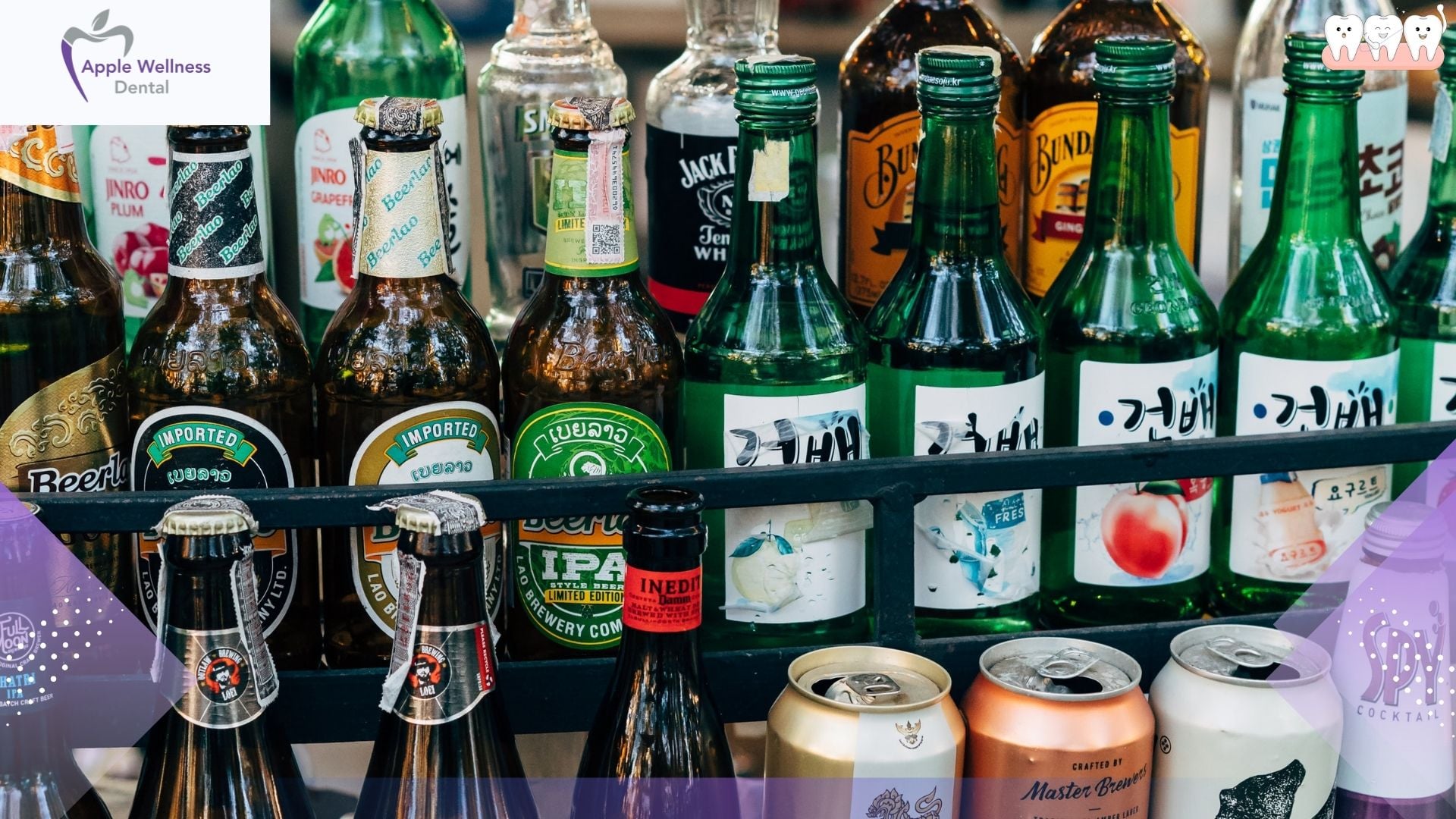
Alcohol poses multiple threats to a healing extraction site. Its primary danger lies in its anticoagulant properties. Ethanol inhibits platelet aggregation, meaning it thins the blood and makes it harder for a stable clot to form. A study from the National Institutes of Health found that even moderate alcohol consumption can reduce platelet function by up to 40% within hours. For a fresh extraction socket, this translates directly to a higher risk of prolonged oozing, clot breakdown, and dry socket.
Beyond blood thinning, alcohol is a potent vasodilator. It causes blood vessels to widen, which can trigger renewed bleeding from a site that had previously clotted. Furthermore, alcohol’s acidity and carbonation in beverages like beer, sparkling wine, and mixed drinks can chemically irritate the raw tissue, causing stinging and inflammation. As Dr. Michael Verber, a board-certified oral and maxillofacial surgeon, explains: “Alcohol creates a hostile environment for wound healing. It dehydrates the oral mucosa, disrupts the delicate fibrin meshwork of the clot, and introduces a chemical irritant directly to exposed bone. I advise all my patients to abstain for a full 10 days.”
The Dry Socket Risk: A Painful Consequence
Dry socket is the most common complication following a tooth extraction, occurring in approximately 2% to 5% of all routine extractions, but the rate jumps to over 20% for impacted lower wisdom teeth, according to data from the Cochrane Database of Systematic Reviews. The hallmark symptom is intense, throbbing pain that typically starts 2 to 4 days after the extraction, often radiating to the ear, temple, or neck. The pain is not relieved by over-the-counter analgesics and is accompanied by a visible empty socket where the bone is exposed, sometimes with a foul odor or taste.
Alcohol consumption is a direct risk factor for dry socket. The negative pressure created by sucking on a straw or bottle, combined with alcohol’s chemical disruption of the clot, creates a perfect storm for clot dislodgement. Patients who smoke and drink alcohol in the first 72 hours post-extraction have a synergistic risk increase, with some studies showing a dry socket incidence as high as 30% in this group. Treatment for dry socket requires a return visit to the dentist, where the socket is irrigated and packed with a medicated dressing, often eugenol-based, to soothe the nerve endings. Healing is then delayed by an additional 7 to 10 days.
A Day-by-Day Recovery Timeline for Alcohol Consumption
To maximize healing and minimize complications, follow this evidence-based timeline. Individual healing varies based on the complexity of the extraction, your age, and overall health, but these guidelines apply to most simple and surgical extractions.
| Time After Extraction | Healing Milestone | Alcohol Guidance |
|---|---|---|
| First 24 Hours | Blood clot forms; active bleeding stops; swelling peaks. | Absolutely no alcohol. Focus on rest, ice packs, and gauze pressure. |
| Days 2-3 | Clot stabilizes; inflammation begins to subside; risk of dry socket is highest. | No alcohol. Stick to a soft diet and avoid any suction or spitting. |
| Days 4-7 | Granulation tissue starts replacing the clot; sutures may dissolve. | Still no alcohol. Pain should be minimal; continue gentle oral hygiene. |
| Days 7-10 | Soft tissue coverage is well underway; socket is less vulnerable. | Alcohol may be considered only if no pain, no bleeding, and no prescription medications are being taken. Start with a small amount. |
| Day 10+ | Epithelialization is complete or near-complete; normal function resumes. | Generally safe for moderate consumption, but avoid excessive intake which can still impair overall healing. |
How Medications Interact with Alcohol Post-Extraction
Dentists routinely prescribe analgesics and sometimes antibiotics after an extraction. Combining these with alcohol is dangerous. Opioid-based pain relievers like codeine or hydrocodone, when mixed with alcohol, can cause profound respiratory depression, severe drowsiness, and liver damage. Even over-the-counter nonsteroidal anti-inflammatory drugs (NSAIDs) such as ibuprofen or naproxen increase the risk of gastrointestinal bleeding when taken with alcohol.
Antibiotics like metronidazole and cephalosporins can trigger a disulfiram-like reaction when combined with alcohol, leading to severe nausea, vomiting, flushing, and rapid heartbeat. According to the U.S. Food and Drug Administration, patients must avoid all alcohol for at least 48 hours after finishing a course of metronidazole. Dr. Sarah Ling, a clinical pharmacist specializing in dental therapeutics, states: “The interaction between alcohol and post-operative medications is not a myth. We see cases of acute liver stress and uncontrolled bleeding every year in patients who disregard this advice. A complete abstinence from alcohol until you are fully off all pain and antibiotic medications is non-negotiable.”
Practical Tips for a Smooth, Alcohol-Free Recovery
Navigating social situations and daily routines without a drink can be challenging, but these strategies will protect your healing socket and speed up recovery.
- Stay Hydrated with Water: Aim for 8 to 10 glasses of water daily. Proper hydration keeps oral tissues moist, supports immune function, and helps flush out anesthesia remnants.
- Embrace Nutrient-Dense Soft Foods: Smoothies (consumed with a spoon, not a straw), yogurt, mashed potatoes, scrambled eggs, and pureed soups provide the protein and vitamins your body needs for tissue repair. Vitamin C and zinc are particularly crucial for collagen synthesis.
- Use a Cold Compress: Apply an ice pack to the outside of your cheek for 20 minutes on, 20 minutes off during the first 24 hours. This reduces swelling and provides natural pain relief without medication.
- Sleep with Your Head Elevated: Use an extra pillow to keep your head above your heart. This reduces throbbing and minimizes swelling by promoting venous drainage.
- Practice Gentle Oral Hygiene: After 24 hours, rinse very gently with a warm saltwater solution (1/2 teaspoon salt in 8 ounces of water) after meals. Do not swish vigorously. Brush your other teeth carefully, avoiding the extraction site.
- Avoid All Suction and Spitting: No straws, no smoking, and no forceful spitting for at least one week. Let saliva drool out of your mouth if necessary.
- Plan Social Alternatives: Suggest non-alcoholic meetups like a walk, a coffee (lukewarm, not hot), or a movie night. Keep your favorite non-alcoholic beverages on hand to reduce temptation.
Common Mistakes That Delay Healing
Many patients inadvertently sabotage their recovery by engaging in seemingly harmless activities. One frequent error is rinsing the mouth too vigorously in an attempt to keep the area clean. This forceful action can dislodge the clot just as easily as using a straw. Another mistake is returning to a normal diet too quickly. Crunchy, hard, or spicy foods can physically traumatize the socket and introduce debris.
Ignoring early warning signs is another critical error. A slight increase in pain on day 3 or 4 is not normal and often signals the onset of dry socket. Patients who wait several days before seeking help endure unnecessary suffering. Additionally, some individuals believe that because beer has a lower alcohol content, it is safer than spirits. This is false. The carbonation in beer can be just as irritating, and the volume consumed is often larger, leading to similar blood-thinning effects. A case from a 2026 clinical review in the British Dental Journal highlighted a patient who developed a severe dry socket after drinking two light beers on day 5 post-extraction, underscoring that no alcoholic beverage is safe in the first week.
When to Contact Your Dental Professional
While some discomfort is expected, certain symptoms warrant immediate professional attention. Contact your dentist or oral surgeon if you experience any of the following:
- Severe, throbbing pain that starts 2 to 4 days after the extraction and is not controlled by prescribed medication.
- Visible bone in the socket or a complete absence of the blood clot.
- Persistent bleeding that does not stop with firm gauze pressure after 30 minutes.
- Signs of infection, including fever, pus or discharge from the socket, and worsening swelling after day 3.
- A foul taste or odor that does not improve with gentle saltwater rinses.
- Numbness or tingling in the lip, chin, or tongue that persists beyond 24 hours.
Frequently Asked Questions About Alcohol and Tooth Extraction
Can I drink beer 5 days after tooth extraction?
No, 5 days is still within the high-risk window for dry socket. The blood clot is being replaced by fragile granulation tissue, and the carbonation and alcohol in beer can disrupt this process. Wait until at least day 7 to 10, and ensure you have no pain before considering any alcohol.
What happens if I drink alcohol 3 days after tooth extraction?
Drinking alcohol on day 3 dramatically increases your risk of dislodging the blood clot and developing a dry socket. You may also experience renewed bleeding because alcohol thins the blood and dilates vessels. The chemical irritation can cause significant stinging and delay healing by several days.
Is wine or beer worse after an extraction?
Both are equally harmful during the first week. Wine is acidic and can chemically burn the raw tissue, while beer’s carbonation creates physical agitation. Spirits have a higher alcohol concentration, leading to more pronounced blood-thinning. None are safe until the socket has a protective layer of new tissue, typically after 10 days.
Can I use mouthwash with alcohol after tooth extraction?
Avoid all alcohol-based mouthwashes for at least two weeks. The alcohol content causes a burning sensation, dries out the healing mucosa, and can destroy the fragile new cells. Use a warm saltwater rinse or an alcohol-free, chlorhexidine-based rinse if prescribed by your dentist.
How long after tooth extraction can I drink coffee?
Hot beverages like coffee should be avoided for the first 24 to 48 hours because heat can dissolve the blood clot. After 48 hours, you can drink lukewarm or iced coffee, but do not use a straw. Caffeine can slightly increase blood pressure, so consume in moderation.
Does alcohol slow down bone healing after extraction?
Yes, chronic or heavy alcohol consumption impairs osteoblast function, the cells responsible for forming new bone. Research from the National Institute on Alcohol Abuse and Alcoholism shows that alcohol disrupts calcium metabolism and can delay osseous regeneration in the socket, potentially complicating future dental implant placement.
Can I drink alcohol while taking antibiotics from my dentist?
No. Combining alcohol with antibiotics like metronidazole can cause a severe reaction including vomiting, rapid heart rate, and liver stress. Even with other antibiotics, alcohol can reduce the drug’s effectiveness and increase side effects. You must finish the entire antibiotic course and wait an additional 48 hours before drinking.
Conclusion
Waiting 7 to 10 days to drink alcohol after a tooth extraction is a small sacrifice that prevents significant pain and complications. The risk of dry socket, delayed healing, and dangerous medication interactions far outweighs any temporary social pleasure. By following the day-by-day timeline, nourishing your body with healing foods, and staying vigilant about oral hygiene, you set the stage for a smooth, uneventful recovery. Your extraction site is a wound that deserves the same careful attention as any other surgical site on your body. If you have any concerns about your healing progress or need personalized post-operative guidance, contact our dental team today for expert advice and compassionate care.
References
- American Association of Oral and Maxillofacial Surgeons. Post-Operative Care Guidelines
- National Institutes of Health, National Library of Medicine. Alcohol’s Effects on Platelet Function
- Cochrane Database of Systematic Reviews. Interventions for Preventing Dry Socket
- U.S. Food and Drug Administration. Medication Interactions with Alcohol
- British Dental Journal. Clinical Review on Alveolar Osteitis
- National Institute on Alcohol Abuse and Alcoholism. Alcohol and Bone Health
- Journal of Oral and Maxillofacial Surgery. Healing Timeline After Dental Extraction