
Can I Use a Straw 1 Week After Tooth Extraction
You’re one week out from your tooth extraction. The worst of the soreness has passed, the swelling is down, and you’re feeling almost like yourself again. You reach for your morning smoothie and grab a straw out of habit — then pause. Your dentist said not to use one, but that was right after the procedure. Does that warning still apply a full week later?
It’s one of the most common questions patients ask during extraction recovery, and the answer is more nuanced than a simple yes or no. The short version: for most straightforward extractions, using a straw one week after the procedure is generally considered acceptable — but it depends on how your specific healing has progressed. For more complex removals, particularly surgical extractions or impacted wisdom teeth, the restriction may still be in effect at the seven-day mark.
This guide explains exactly why straws are restricted after tooth extraction, what happens to your healing socket when you use one too soon, how to assess where you are in your recovery at the one-week point, and what to watch for before picking that straw back up. Understanding the reasoning behind the restriction helps you make smarter decisions — not just about straws, but about everything that affects your healing.
Key Takeaways
- The sucking motion created by straws generates negative pressure in the mouth, which can dislodge the blood clot protecting your extraction socket.
- For simple extractions with normal healing, using a straw is generally safe after five to seven days — but only if your socket is visibly closing and pain is clearly improving.
- Surgical extractions and impacted wisdom tooth removals often require a longer restriction — up to two weeks or more before straw use is safe.
- Dry socket, the most painful complication of extraction recovery, can be triggered by straw use and is significantly harder to reverse than it is to prevent.
- When in doubt about whether your healing is on track at the one-week mark, a quick check-in with your dental provider is always the right call.
- Sipping directly from a cup — gently, without creating suction — is the safest way to stay hydrated throughout your entire recovery period.
What This Article Covers
This article walks you through the full picture of straw use after tooth extraction — from the biological reason the restriction exists, to what your socket should look like at day seven, to how different types of extractions affect your personal timeline. We also address the specific risk of dry socket, how to drink safely without a straw, and the signs that tell you healing is or isn’t going as expected. Whether you had a routine extraction or a more involved surgical removal, you’ll find clear and practical guidance here.
The Biology Behind the No-Straw Rule
After a tooth is removed, your body immediately begins forming a blood clot in the empty socket. This clot is not simply a sign that bleeding has stopped — it is an active biological structure that covers and protects the exposed bone and nerve tissue beneath it. Without the clot in place, those sensitive structures are left open to air, food debris, and bacteria, which is both painful and dangerous for healing.
The clot forms through a normal cascade of coagulation and begins to stabilize within the first few hours after extraction. Over the following days, it is gradually replaced by granulation tissue — soft, new cells that begin filling the socket from the sides and bottom upward. By day five to seven in an uncomplicated recovery, this process is well underway, and the socket is becoming more resilient. But that doesn’t mean it’s invulnerable.
Using a straw creates a pressure differential inside the mouth. The act of drawing liquid through a straw requires you to reduce the air pressure in your oral cavity — in other words, you create a small vacuum. That suction force doesn’t distinguish between the liquid in the straw and the clot sitting in your socket. In the early stages of recovery especially, that suction is more than enough to pull the clot completely free. The NHS explains how clot disruption leads to dry socket and why it’s one of the most common post-extraction complications.
What Happens at the One-Week Mark
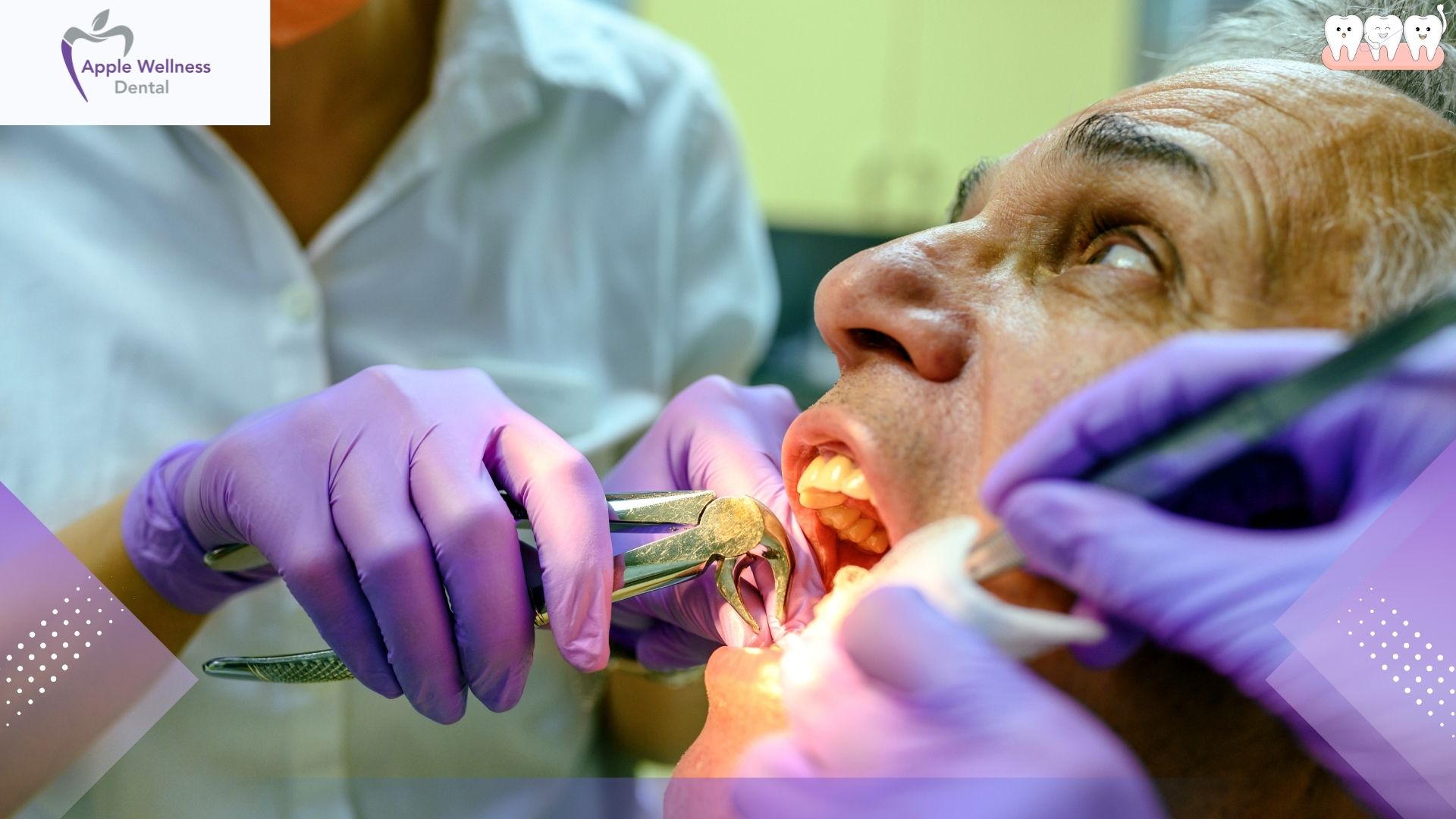
Normal Healing Progression by Day 7
For patients who had a straightforward single-tooth extraction and followed post-operative instructions carefully, the one-week mark typically represents a meaningful turning point in recovery. Active pain should be noticeably reduced — most patients describe only mild tenderness when pressing on the area or eating certain foods. Swelling, if any was present, should have largely resolved by days four to five and should not be increasing at this stage.
The socket itself should have visible signs of tissue coverage. Looking in a mirror with good lighting, the area where your tooth was should appear pinkish and show signs of soft tissue growing across the surface — not dark, empty, or bone-colored. The edges of the gum around the socket will still look slightly raised or uneven, but the gap should be visibly smaller than it was in the first day or two.
If your healing matches this description at day seven, you are likely in a position where light straw use would not pose a significant risk. However, “likely” and “confirmed” are two different things, and a brief check with your dental team — even just a phone call — is the most reliable way to get a clear answer for your specific situation rather than relying on general guidelines alone.
When Day 7 Doesn’t Look Like This
Not every extraction follows the same timeline. Several factors can slow or complicate healing, including smoking, poor nutrition, compromised immune function, certain medications, and the complexity of the extraction itself. If at the one-week point you are still experiencing significant pain, swelling that hasn’t improved, or a socket that looks empty or discolored, your healing has not reached the stage where straw use would be appropriate.
Intensifying pain after the third or fourth day — rather than pain that is gradually fading — is one of the clearest warning signs that something has gone wrong. This pattern is characteristic of dry socket, a condition that requires professional treatment rather than home management. If your pain is getting worse rather than better as you approach and pass the one-week mark, contact your dental provider rather than trying to assess your own recovery from the outside.
Can I Use a Straw 1 Week After Tooth Extraction? The Direct Answer
For a simple extraction with normal, uneventful healing — yes, you can generally use a straw one week after tooth extraction. By this stage, the initial clot has been replaced by early granulation tissue, which is more mechanically stable than a fresh blood clot. The risk of dislodging it with the suction of a straw is substantially lower than it was in the first 72 hours.
That said, “lower risk” is not the same as “no risk.” The socket is still healing, and the tissue covering it is still relatively new and soft. If you do use a straw at the one-week mark, do so gently — sip without creating forceful suction, and pay attention to how the area responds afterward. Any increase in pain, bleeding, or bad taste following straw use is a signal to stop and contact your dentist.
For surgical extractions — particularly impacted wisdom tooth removals — the one-week mark is often not sufficient. Surgical procedures involve cutting through gum tissue and sometimes removing bone, which means the healing process is more extensive and the socket remains vulnerable for longer. Many oral surgeons recommend avoiding straws for a full two weeks following surgical removal, and some advise waiting even longer depending on the individual case. Always follow the specific instructions given to you by your dental provider, as these take precedence over any general timeline.
Dry Socket: Why This Complication Changes Everything
Dry socket — clinically known as alveolar osteitis — is the most frequently discussed complication of tooth extraction, and for good reason. It occurs when the protective blood clot is lost or dissolves before the socket has healed sufficiently, leaving the underlying bone exposed. The pain is typically severe, deep, and throbbing — often described as radiating toward the ear or down the jaw — and it usually begins two to four days after extraction rather than immediately.
What makes dry socket particularly frustrating is that it often occurs after patients feel like the hardest part of recovery is over. The initial post-extraction discomfort has faded, they feel well enough to resume more normal activities, and then — often triggered by something as seemingly minor as straw use, smoking, or vigorous rinsing — the pain returns far worse than before. The American Dental Association outlines tooth extraction recovery and risk factors that every patient should be aware of before and after their procedure.
Dry socket cannot be treated at home. Your dentist needs to clean the socket, remove any debris, and place a medicated dressing directly into the space that both protects the exposed bone and provides meaningful pain relief. This dressing typically requires changing every one to two days until tissue regeneration progresses enough to cover the socket naturally. The condition adds days or even weeks to your overall recovery timeline, all of which is avoidable with careful attention during the early healing stages.
How to Drink Safely Without a Straw
Going a week or more without a straw is genuinely inconvenient for many people — particularly if you rely on smoothies, protein shakes, or thick beverages as part of your daily diet. But there are practical ways to drink safely that don’t require creating suction in your mouth.
The most straightforward approach is to sip directly from a cup or glass, tilting it gently rather than drawing the liquid with any sucking motion. Small, calm sips work well — you’re aiming for gravity and gentle lip contact to move the liquid, not any kind of suction pressure. This takes a little conscious effort at first, especially with thicker liquids, but most patients adapt quickly within the first day or two.
For smoothies and protein shakes, consider drinking them from a small cup using a spoon for thicker portions, or simply tipping the cup gently to let the liquid flow. Room-temperature or slightly cool liquids are easier to manage this way than very cold or very hot ones. Avoid anything carbonated during the recovery period, as the fizzing action can irritate the socket even without a straw. Warm broths and soups can be sipped directly from a bowl or mug without any difficulty.
Factors That Affect Your Personal Straw Timeline
Type and Complexity of Your Extraction
A simple extraction — where the tooth is fully erupted and removed in one clean motion — leaves behind a smaller, cleaner socket than a surgical extraction. The less trauma to the surrounding tissue, the faster the healing baseline. Patients with straightforward simple extractions are generally the ones who can consider straw use at the one-week mark. Those with surgical removals, bone involvement, or multiple simultaneous extractions are working with a more complex healing picture that requires more time before straw use is appropriate.
Wisdom teeth — especially lower wisdom teeth that are partially or fully impacted — carry the highest risk of dry socket among all extraction types. Studies suggest dry socket rates for lower wisdom tooth extractions can be as high as 25 to 30 percent in some patient groups, compared to 2 to 5 percent for routine extractions. This elevated risk is precisely why the straw restriction for wisdom tooth removals extends further than for other procedures.
Your Lifestyle and Health History
Smoking is one of the most significant factors that extends the straw restriction and the overall recovery timeline. The chemicals in tobacco impair blood flow to healing tissues, slow cellular regeneration, and — like straw use — involve a sucking motion that creates negative pressure in the mouth. If you smoke, your dentist’s instructions around both smoking and straws are likely to be more conservative than average, and for good reason.
Certain medications — particularly blood thinners, corticosteroids, and some oral contraceptives — can also affect healing speed and clot stability. If you are on any of these medications, your personal timeline for safely resuming straw use may differ from a patient who isn’t. This is one more reason why a conversation with your dental provider about your specific recovery is more reliable than relying on general information alone.
How Well You Followed Post-Operative Instructions
Patients who carefully followed their post-extraction instructions — avoiding straws, spitting, and rinsing for the first 24 hours, eating soft foods, resting, and keeping the area clean with gentle salt water after day one — typically heal faster and more smoothly than those who didn’t. If your first week of recovery was largely by the book, you’re more likely to be in a good position at day seven. If there were disruptions — accidental rinsing too early, eating hard foods, or physical strain — your socket may need more time regardless of where you are on the calendar.
Other Things to Avoid Alongside Straws During Recovery
Straws get a lot of attention in post-extraction instructions, but they’re part of a broader group of behaviors that create similar risks during the healing period. Understanding what else shares the same mechanism helps you protect your recovery more fully.
- Smoking and vaping: Both involve the same suction mechanism as straws and introduce harmful substances directly to the healing socket. Vaping carries the same risk as smoking and is not a safer alternative during recovery.
- Forceful spitting: Creates negative pressure similar to straw suction. Let saliva and rinse water fall out of your mouth gently rather than spitting forcefully.
- Wind instruments and balloons: Blowing into wind instruments or inflating balloons creates pressure changes in the mouth that can affect the socket — a consideration for musicians during recovery.
- Carbonated drinks: The fizzing action of sparkling water and sodas can mechanically disturb the socket even without a straw, and the acidity of many carbonated beverages can irritate healing tissue.
- Very hot beverages: Heat causes blood vessels to dilate, which can trigger or worsen bleeding at the extraction site. Stick to room-temperature or cool drinks for the first several days.
When to Call Your Dentist Instead of Waiting
Post-extraction recovery involves a degree of discomfort that is completely expected — but there is a clear difference between normal healing discomfort and signs that something is going wrong. Knowing this distinction can save you from days of unnecessary pain and prevent minor complications from becoming more serious ones.
Contact your dental provider promptly if you experience any of the following at or around the one-week mark: pain that is intensifying rather than fading, visible emptiness or bone exposure in the socket, a persistent bad taste or odor that wasn’t there earlier in the week, swelling that is getting worse rather than better, or any fever. These are not signs to wait out at home — they are indicators that your socket needs professional attention to heal correctly.
Your Recovery Questions Deserve a Real Answer From a Real Dentist
General guidelines are helpful, but your healing is personal. The best answer to whether you can use a straw one week after your tooth extraction is the one that comes from a dental professional who can actually see how your socket looks and how your tissue is responding. At Apple Wellness Dental, we understand that post-extraction questions don’t always come up during your appointment — they come up at home, days later, when you’re trying to make sense of what’s normal and what isn’t. Our team is here for those moments. Whether you need a quick follow-up check, have concerns about your healing timeline, or want personalized guidance on getting back to your normal routine safely, we’re ready to help. Find us at 229 1st Street SW, Airdrie, AB or call us at +1 587 332 6767 — because confident recovery starts with having the right support behind you.
Common Questions About Can I Use a Straw 1 Week After Tooth Extraction
Q: Is it safe to use a straw exactly 7 days after a simple tooth extraction?
A: For most patients with a straightforward extraction and normal healing, light straw use is generally considered acceptable at the seven-day mark. By this point, early granulation tissue has replaced the initial blood clot and is more resistant to mechanical disruption. However, if your pain has not clearly improved or your socket doesn’t appear to be closing, hold off and contact your dentist before resuming straw use.
Q: Can I use a straw 1 week after wisdom tooth extraction?
A: Wisdom tooth extractions — especially surgical removals of impacted teeth — typically require a longer restriction on straw use than simple extractions. Most oral surgeons recommend avoiding straws for a full two weeks following wisdom tooth removal. The larger socket, more extensive tissue involvement, and higher dry socket risk associated with wisdom teeth mean the healing process needs more time before suction of any kind is safe.
Q: What does it feel like if a straw causes dry socket?
A: If using a straw dislodges your clot and triggers dry socket, you’ll typically notice a significant increase in pain starting two to four days after the extraction. The pain is deep and throbbing, often radiating toward the ear or jaw, and may be accompanied by a bad taste or odor from the socket. If this happens, stop using straws immediately and call your dental office — dry socket requires professional treatment with a medicated dressing, not home care.
Q: Why is suction so harmful to an extraction socket?
A: Suction creates negative pressure inside the mouth, which pulls outward on the tissue and clot inside the socket. The blood clot — particularly in the first several days — does not have a strong mechanical attachment to the socket walls. That suction force is often enough to pull it free entirely, exposing the bone beneath. Even after the clot transitions to early granulation tissue, aggressive suction can still disrupt the fragile new cellular layer forming over the socket.
Q: Are there any types of straws that are safer to use after extraction?
A: No type of straw eliminates the suction risk — the problem is the sucking motion itself, not the material the straw is made of. Whether it’s plastic, paper, silicone, or metal, drawing liquid through a straw requires negative oral pressure. The safest approach during recovery is to avoid straws entirely until your dentist confirms the socket is sufficiently healed, and instead sip directly from a cup using gentle, gravity-assisted sips.
Q: How do I know if my extraction socket is healing properly at one week?
A: A healing socket at one week should show visible pinkish tissue beginning to cover the opening, with pain that has been steadily improving since the first couple of days. Swelling should be resolving, and there should be no foul taste or odor from the area. If the socket appears dark, empty, or bone-colored, or if pain is intensifying rather than fading, these are signs that healing may not be progressing normally and warrant a call to your dental provider.
Q: Can I drink thick smoothies or protein shakes without a straw after extraction?
A: Yes — you can consume smoothies and protein shakes during recovery as long as you use a cup or glass and sip gently without creating suction. Tipping the cup to let the liquid flow into your mouth, or using a spoon for thicker portions, are both safe approaches. Make sure the drink is cool or room temperature rather than very cold or hot, and avoid any carbonated versions during the recovery period.
Q: Does vaping count the same as using a straw after extraction?
A: Yes — vaping carries the same suction-related risk as straws and is no safer than smoking during extraction recovery. The inhaling motion creates the same negative oral pressure that can dislodge a healing clot or disrupt early granulation tissue. Beyond the mechanical risk, the compounds in vape products can also irritate healing tissue and impair the biological processes needed for proper recovery. Most dental providers recommend avoiding all forms of smoking and vaping for at least 72 hours after extraction, and longer for surgical cases.
Q: What should I do if I accidentally used a straw too soon?
A: Don’t panic — one accidental sip doesn’t automatically mean your clot has been dislodged. Stop using the straw immediately and avoid any further suction-related activity. Monitor your socket over the next 24 to 48 hours. If pain increases significantly, a bad taste or odor develops, or the socket appears empty, contact your dentist promptly. If no new symptoms appear, your clot may have remained intact. Either way, report what happened to your dental team at your next contact.
Q: Can I drink coffee or tea after tooth extraction, and does a straw make it safer?
A: Coffee and tea are fine to drink after tooth extraction once you’re past the first 24 hours, provided they are not too hot. Very hot liquids can cause blood vessels near the socket to dilate, which may trigger or worsen bleeding. Let your drink cool to a warm or room-temperature level before sipping. And no — using a straw to drink hot beverages doesn’t make them safer for your socket. The suction risk remains, and the heat reaches the mouth regardless of whether a straw is used.
Conclusion
The one-week mark after a tooth extraction sits in an important transition zone — past the most vulnerable period for most simple procedures, but not necessarily past the finish line for every patient. For straightforward extractions with smooth healing, you can generally use a straw at day seven with reasonable care. For surgical removals, wisdom teeth, or any case where healing hasn’t followed the expected progression, the restriction still applies and should be respected.
What matters most is not the calendar date but the actual state of your healing. A socket that looks and feels like it’s recovering well is your best indicator that you’re ready to return to normal habits. One that still causes significant pain, looks visibly empty, or produces any bad taste or odor is telling you it needs more time — and more importantly, professional attention.
If you have questions about your specific recovery or aren’t sure whether you’re ready to resume normal activities like using a straw, the team at Apple Wellness Dental is here to give you a clear, personalized answer. Post-extraction care is one of the most important parts of a successful procedure, and you shouldn’t have to guess your way through it.