
Chipped Tooth Treatment: Options for Restoring Your Smile Safely
Discovering a chip in your tooth can be a stressful moment, whether it happened while eating something crunchy or during a sudden sports accident. While a small chip might only seem like a cosmetic issue, it can expose the sensitive inner layers of your tooth to bacteria and temperature changes. In this chipped tooth treatment guide, we explain the immediate steps you should take, the clinical options available to fix the damage, and how to prevent future fractures.
The approach we take depends on the size of the chip and whether the living tissue inside the tooth has been affected. We prioritize saving as much of your natural tooth as possible while ensuring the final result looks and feels natural. By following established clinical standards from organizations like the American Dental Association and the Cleveland Clinic, our team at Apple Wellness Dental provides reliable care for our Airdrie neighbors.
Key Takeaways
-
Immediate action is essential to prevent infection or further cracking, even if you do not feel immediate pain.
-
Dental bonding is the fastest fix for minor chips, using a tooth‑colored resin to rebuild the lost structure in a single visit.
-
Veneers and crowns provide long‑term durability for larger fractures that affect the strength or appearance of front and back teeth.
-
Root canals may be necessary if the chip is deep enough to reach the pulp, where nerves and blood vessels are located.
-
Professional care is the only safe solution for dental fractures; DIY repair kits often lead to infection and permanent damage.
-
Protection is better than repair, so using mouthguards during sports and avoiding non‑food objects can save your smile.
Overview
This comprehensive guide to chipped tooth treatment walks you through what happens when a tooth is damaged and how modern dentistry restores it. You will find detailed explanations of bonding, veneers, and crowns, along with advice on when more advanced procedures like root canals or extractions are needed. We also include a section on emergency first aid so you can manage the situation before you reach our office.
We’ll highlight the importance of clinical expertise and show you how we use advanced dental comfort strategies to make the repair process easy for you. You’ll also see links to related topics, such as what happens during a dental extraction and how to prepare for your dental visit. Our goal is to provide you with the facts so you can move forward with confidence and a healthy smile.
Immediate Steps to Take After Chipping a Tooth
First Aid at Home
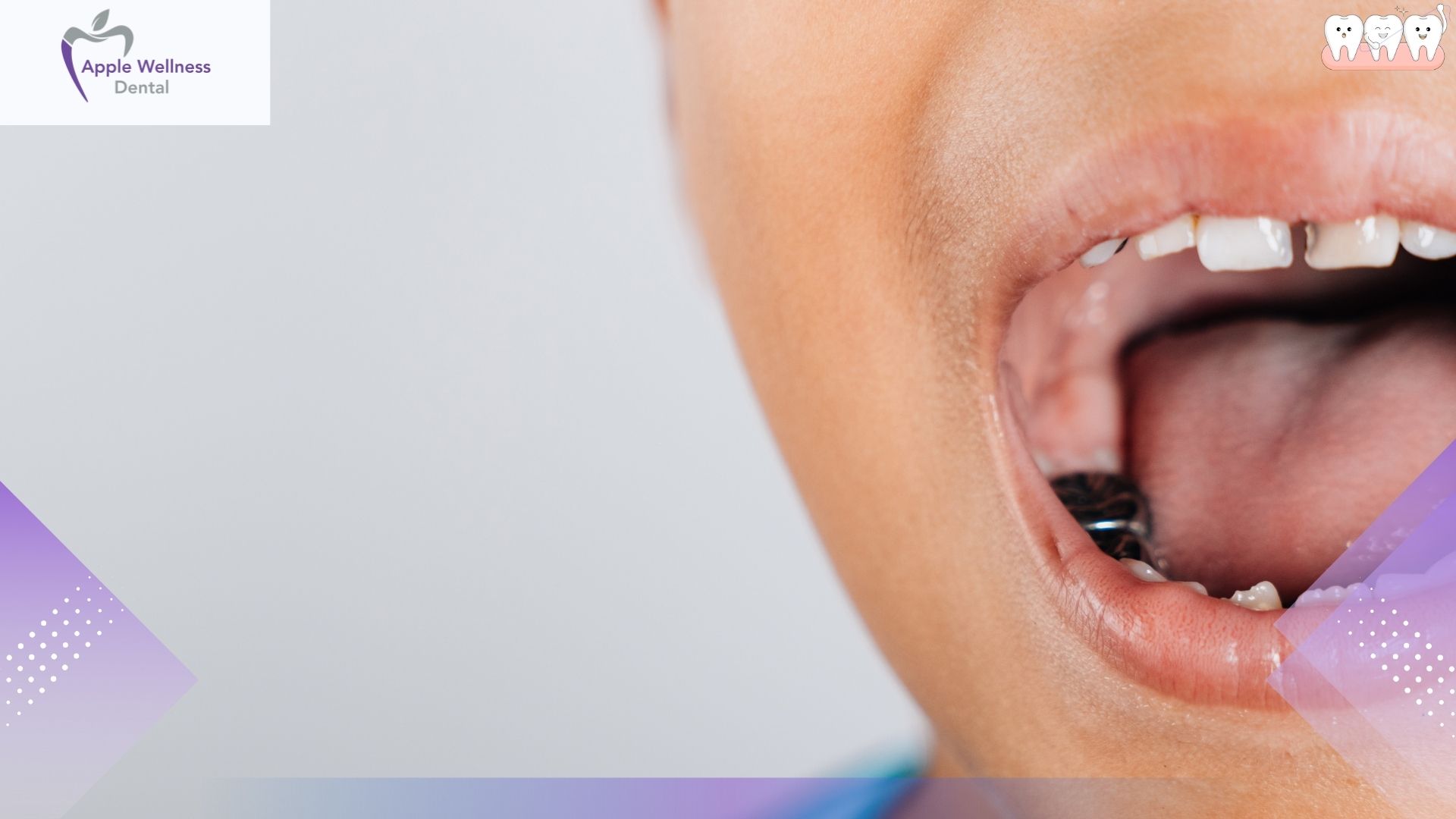
If you chip a tooth, the first thing you should do is rinse your mouth with warm water to clean the area and remove any fragments. If there is bleeding, apply gentle pressure with a piece of gauze for about ten minutes or until the bleeding stops. If you can find the piece of tooth that broke off, wrap it in a wet gauze or place it in a small container of milk and bring it with you to our office.
For pain and swelling, you can use a cold pack on the outside of your cheek or lip. We recommend avoiding eating on that side of your mouth and choosing soft foods until we can assess the damage. Following these basic steps helps protect the tooth from further irritation before your professional chipped tooth treatment begins.
Managing Sharp Edges
A chipped tooth often has a sharp or jagged edge that can cut your tongue or the inside of your cheek. While some sources suggest using sugarless chewing gum or dental wax to cover the edge, these are only temporary measures and do not fix the underlying problem. You should avoid using any household tools or files to smooth the tooth yourself, as this can cause permanent nerve damage and make the repair more expensive.
Instead, contact us as soon as possible so we can provide a safe, clinical solution. We can quickly smooth the edge or apply a temporary filling to keep you comfortable until the final repair is completed. Our article on how long dentist freezing lasts can help you understand what to expect if we need to numb the area for a quick fix.
Professional Options for Chipped Tooth Treatment
Dental Bonding for Minor Repairs
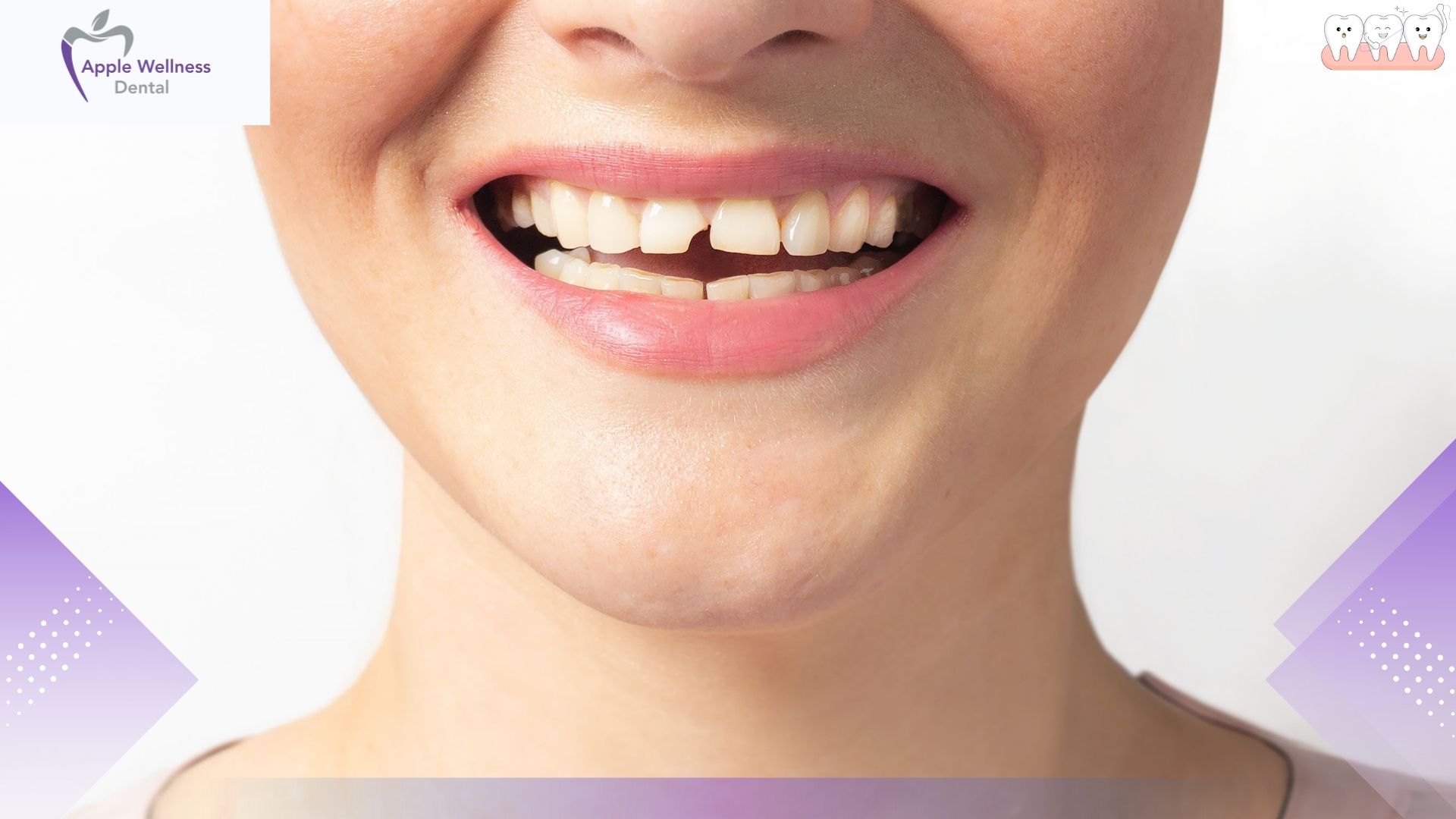
For small chips, especially on the front teeth, dental bonding is often the most effective and affordable solution. We use a tooth‑colored composite resin that we mold and shape to match the natural contour of your tooth. The material is then hardened with a specialized light and polished until it blends in seamlessly with your surrounding enamel.
Bonding is a conservative approach because it requires very little removal of your natural tooth structure. It can usually be finished in a single visit, making it a popular choice for busy patients in Airdrie. However, because the resin is not as strong as porcelain, it may need to be touched up or replaced every few years depending on your habits.
Porcelain Veneers for Cosmetic Restoration
If the chip is more significant or if you want to improve the overall appearance of your smile, porcelain veneers are an excellent option. Veneers are thin, custom‑made shells that are bonded to the front surface of your teeth to cover damage and discoloration. They are more durable than bonding and are highly resistant to staining, providing a long‑lasting result.
While veneers require a small amount of enamel removal, they offer a very natural look that mimics the light‑reflecting properties of real teeth. We often discuss veneers as part of a comprehensive dental care plan if you have multiple teeth with minor damage or wear. This treatment is personalized to fit your facial features and your personal goals for your smile.
Treating Larger Fractures and Internal Damage
Dental Crowns for Structural Strength
When a large piece of the tooth breaks off or if decay has weakened the remaining structure, a dental crown is usually the best chipped tooth treatment. A crown, or “cap,” covers the entire visible portion of the tooth, protecting it from further breakage and restoring its full function. Crowns can be made from porcelain, ceramic, or metal alloys, depending on the location of the tooth and your specific needs.
The process typically involves two visits: one to prepare the tooth and take an impression, and a second to fit the permanent crown. During the waiting period, we provide a temporary crown so you can still eat and speak comfortably. This treatment is essential for back teeth that handle the heavy pressure of chewing, ensuring they stay strong for years.
Root Canal Therapy for Deep Chips
If a chip is deep enough to expose the pulp, bacteria can enter and cause a painful infection. In these cases, we may recommend a root canal to remove the damaged tissue and save the tooth from needing an extraction. During a root canal, we clean and seal the inner canals of the tooth and then protect it with a crown to restore its strength.
Many patients feel anxious about root canals, but modern techniques make them no more uncomfortable than a standard filling. We focus on your comfort and provide clear pre‑op instructions for dental procedures so you know exactly what to expect. Saving your natural tooth is always our priority, as it maintains the health of your jawbone and the alignment of your other teeth.
Why You Should Never Wait to Seek Treatment
Preventing Secondary Infections
Leaving a chipped tooth untreated can lead to a variety of oral health problems that go beyond the initial damage. Even a small fracture can provide a hiding place for bacteria, leading to cavities and gum disease in the surrounding area. If the infection reaches the root, it can cause an abscess, which is a painful collection of pus that requires urgent clinical attention.
By seeking chipped tooth treatment early, you can avoid more invasive and expensive procedures later. We use imaging and clinical exams to catch these issues before they become serious, following the same evidence‑based standards used at major medical centers like the Mayo Clinic. Regular visits and proper flossing technique are your best defense against these secondary problems.
Maintaining Jaw and Bite Alignment
When a tooth is chipped or broken, it can change how your teeth fit together when you bite down. This misalignment can lead to jaw pain, headaches, and uneven wear on your other teeth. In some cases, the remaining part of the tooth can shift, causing crowding or gaps that make cleaning more difficult.
Restoring the tooth to its natural shape keeps your bite balanced and protects your temporomandibular joint (TMJ). We carefully check your bite during any repair to ensure the final result is comfortable and functional. If a tooth is so badly damaged that it cannot be saved, we may discuss dental implant options to fill the gap and maintain your jaw health.
Long‑Term Care and Prevention Strategies
Protecting Your Restored Teeth
Once your chipped tooth treatment is complete, it is important to take care of the repair to ensure it lasts as long as possible. While materials like porcelain and composite resin are strong, they can still chip if you bite down on ice, hard candy, or pens. We recommend using your back teeth for heavy chewing and avoiding using your front teeth as tools to open packages or bite your nails.
Consistent oral hygiene is also vital for the health of the underlying tooth. Brushing twice a day and flossing daily helps prevent decay around the edges of bonding, veneers, or crowns. Our team is here to support you with regular professional cleanings and exams to monitor the condition of your repairs.
Using Mouthguards and Protective Gear
If you play sports or have a habit of grinding your teeth at night (bruxism), a custom mouthguard is one of the best ways to prevent chips and fractures. Over‑the‑counter guards often don’t provide a precise fit and can be uncomfortable to wear, which is why we recommend a professionally made guard. We can create a guard that is personalized to your mouth, providing superior protection and comfort.
Investing in protection now can save you from the stress and expense of future dental emergencies. This proactive approach is a core part of how we help our Airdrie patients maintain their smiles through every stage of life. Whether you are an athlete or a busy professional, we have options to keep your teeth safe from unexpected damage.
Professional Chipped Tooth Care in Airdrie
If you have damaged a tooth, the safest path is to acquire professional care rather than relying on home remedies or DIY kits that can worsen the situation. Our team at Apple Wellness Dental is located at 229 1st Street SW, Airdrie, AB, and we have the imaging tools and clinical experience to provide a reliable chipped tooth treatment. You can call us at +1 587 332 6767 to schedule an assessment and learn which option—bonding, veneers, or a crown—is the best fit for your smile and your budget. We are here to help you get back to your normal routine with a smile that looks and feels great.
CTA: If you need immediate chipped tooth treatment, contact Apple Wellness Dental at +1 587 332 6767 today to book your appointment in Airdrie.
Common Questions About the chipped tooth treatment
Q: Is a chipped tooth a dental emergency?
A:
It depends on the severity. If the chip is small and not painful, it is usually not an emergency, but you should still book an appointment soon to prevent decay. However, if you have severe pain, bleeding, or if a large part of the tooth is missing, you should seek urgent chipped tooth treatment to save the tooth and prevent infection.
Q: Can a small chip in a tooth be smoothed out?
A:
Yes, for very minor chips that don’t affect the dentin or pulp, we can often simply smooth and polish the edge of the tooth. This is a quick and conservative procedure that doesn’t require any filling material or numbing. It is an excellent way to restore the feel of your tooth while preventing irritation to your tongue and lips.
Q: How much does it cost to fix a chipped tooth in Airdrie?
A:
The cost varies based on the type of chipped tooth treatment you need. Dental bonding is typically the most affordable option, while porcelain veneers and crowns are more of an investment due to the materials and lab work involved. We provide a clear breakdown of costs after your initial exam so you can make an informed decision.
Q: Will my dental insurance cover chipped tooth treatment?
A:
Many insurance plans cover a portion of the cost if the repair is considered medically necessary, such as fixing a fracture caused by an accident. Purely cosmetic repairs, like veneers for very small chips, may have different coverage levels. We can help you review your benefits and submit pre‑determinations to your provider so you know your out‑of‑pocket costs upfront.
Q: Does it hurt to have a chipped tooth repaired?
A:
Most chipped tooth treatment options, like bonding and smoothing, are completely painless and don’t require numbing. For more involved repairs like crowns or root canals, we use local anesthesia to ensure you are comfortable throughout the visit. Our focus is on providing a relaxed experience with advanced comfort strategies.
Q: How long does dental bonding last on a chipped tooth?
A:
Dental bonding usually lasts between three and ten years, depending on your oral hygiene habits and what you eat. Because the resin is not as hard as natural enamel, it can wear down or chip over time if you have a heavy bite or grind your teeth. Regular check‑ups allow us to monitor the bond and make small repairs if needed.
Q: Can I fix a chipped tooth with a kit from the store?
A:
We strongly recommend avoiding DIY dental kits. These materials are often temporary, don’t bond well to the tooth, and can trap bacteria underneath, leading to a serious infection. Only a dental professional has the tools and training to clean the site and apply a permanent, safe restoration.
Q: What happens if I don’t fix my chipped tooth?
A:
If left untreated, a chipped tooth is more likely to develop deep decay or a painful infection known as an abscess. The fracture can also spread, leading to a more significant break that might require an extraction. Early treatment is the most thorough way to protect your long‑term oral health and avoid complex procedures.
Q: Are porcelain veneers better than bonding for chipped teeth?
A:
Veneers are more durable and stain‑resistant than bonding, making them a better long‑term choice for significant chips on front teeth. However, they are more expensive and require more removal of natural enamel. We will discuss both options with you during your consultation to see which fits your goals and budget.
Q: Can a chipped baby tooth be repaired?
A:
Yes, we often repair chipped baby teeth to prevent sensitivity and maintain the space needed for adult teeth to come in properly. The treatment is usually very simple, such as smoothing the edge or adding a small amount of bonding material. Keeping baby teeth healthy is important for a child’s speech development and nutrition.
Conclusion
Seeking timely chipped tooth treatment is the most effective way to restore your smile and prevent minor damage from turning into a major oral health problem. Whether you need a simple polish, a durable porcelain crown, or a cosmetic veneer, modern dentistry offers reliable solutions that look and feel natural. By choosing professional clinical care, you protect the health of your tooth and ensure your bite remains balanced and comfortable for years to come. Are you concerned that a recent chip might be exposing the sensitive inner layers of your tooth to infection?