
Step‑By‑Step: How Dental Implant Placement Restores Your Smile
A missing tooth can change how you eat, speak, and feel about your smile, but modern dentistry offers a solution that mimics the natural root of a tooth. Dental implant placement is the clinical process of positioning a small titanium post into the jawbone to act as a sturdy foundation for a replacement crown. In this guide, we walk you through the preparation, the surgical visit, and the essential healing time required to achieve a stable, long‑lasting result.
By choosing this path, you are opting for a treatment that helps preserve your jawbone and prevents other teeth from shifting out of place. We believe that having clear information about each phase reduces anxiety and helps you make the best decisions for your oral health. Our team at Apple Wellness Dental focuses on providing a smooth experience from the initial scan to the final restoration, and we follow the same safety protocols described by major health organizations like the Mayo Clinic and the AAOMS.
Key Takeaways
-
Detailed imaging is the foundation of a safe procedure, allowing for precise planning before any surgery begins.
-
Titanium is used for the implant post because it is biocompatible and can fuse directly with your natural jawbone over time.
-
Preparatory steps like bone grafting might be necessary if your jawbone is currently too thin or soft to support the post.
-
Local anesthesia and sedation options help you remain comfortable during the procedure, often resulting in less discomfort than a standard extraction.
-
The healing phase, or osseointegration, is crucial and usually lasts between 3 and 6 months before the final crown is placed.
-
Consistent oral hygiene and regular check‑ups are vital for maintaining the stability of your new implant for many years.
Overview
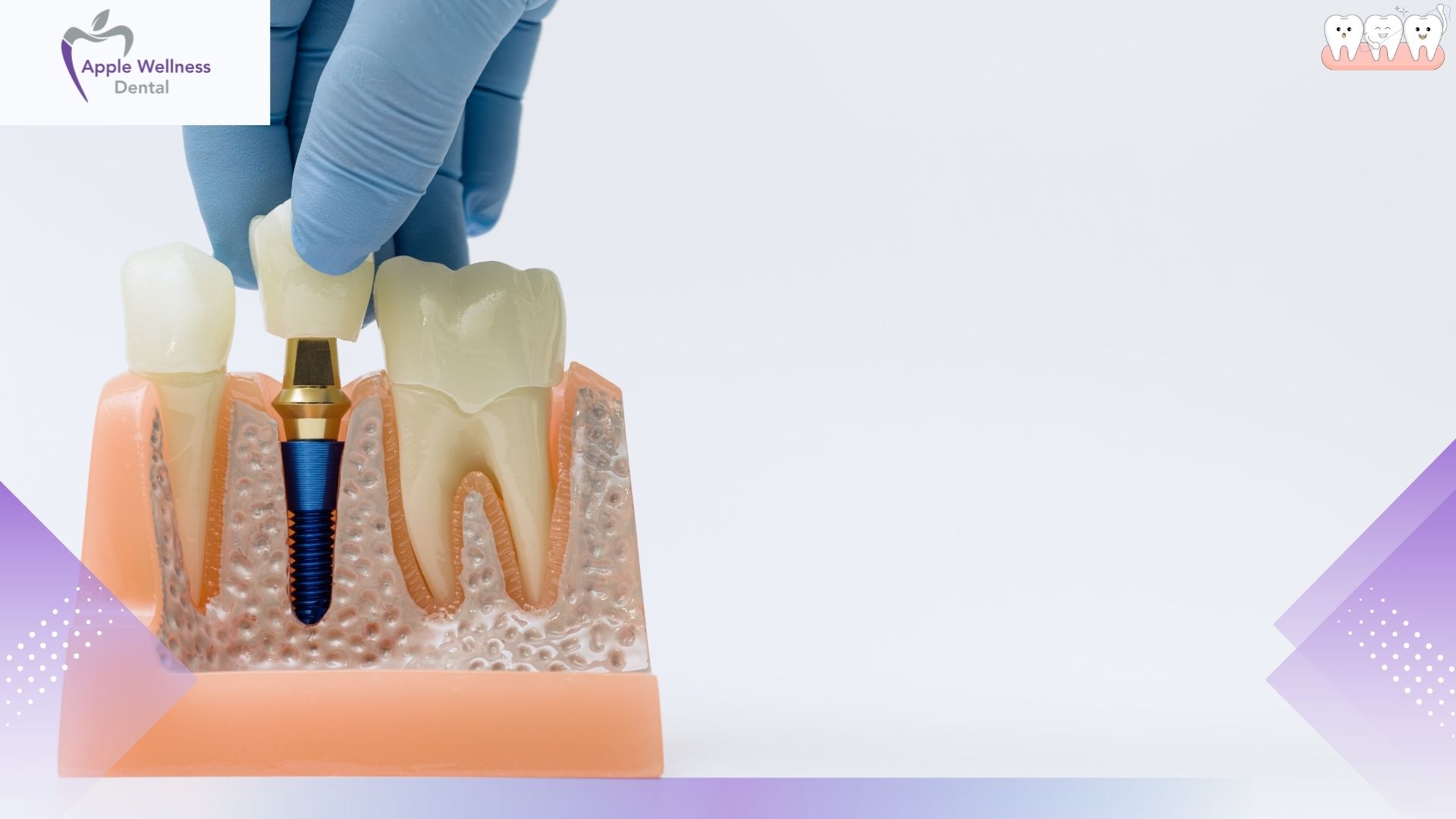
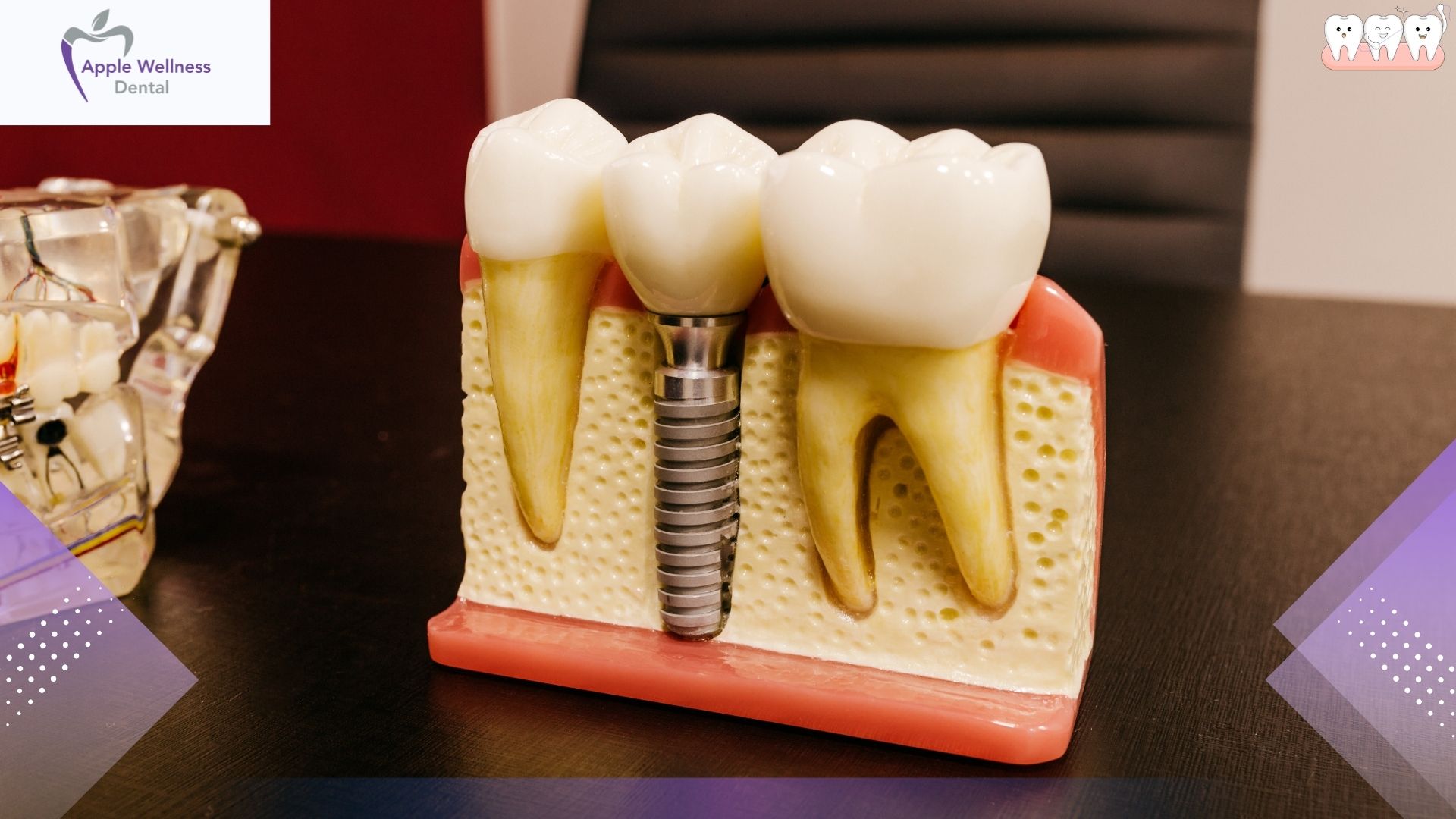
This guide for dental implant placement explains what happens when you decide to replace a missing tooth with a permanent solution. You will learn about the three main parts of an implant—the post, the abutment, and the crown—and how they work together to restore function and appearance. We describe the initial imaging requirements, the surgical visit, and the essential after‑care steps you follow while the bone heals.
Throughout the sections, we’ll point you to authoritative resources such as the Cleveland Clinic and the NHS, as well as our own detailed dental implant process article for more background. We also cover preparatory work like dental bone grafting, which can strengthen your jaw before surgery. By the time you finish reading, you will understand the common questions about pain control, recovery timelines, and why professional care is essential for a successful outcome.
Why Dental Implant Placement Is Often the Best Choice
Restoring Your Natural Bite and Jaw Health
When you lose a tooth, the jawbone in that area can begin to weaken because it no longer feels the pressure from chewing. Unlike bridges or dentures that only replace the visible part of the tooth, dental implant placement provides a replacement root that stimulates the bone. Major health organizations like the Mayo Clinic highlight that this stimulation is what keeps your jaw from shrinking and changing the shape of your face.
By choosing an implant, you also avoid the need to grind down the healthy teeth next to the gap, which is usually required for a traditional dental bridge. We believe in preserving as much of your natural tooth structure as possible, which is why we often recommend this path to our Airdrie patients. It is a stable, long‑term option that functions just like a natural tooth when you eat or speak.
Comparison of Popular Tooth Replacement Options
According to the AAOMS and the Cleveland Clinic, each tooth replacement method has different implications for your long‑term oral health. Implants are unique because they are the only option that directly fuses with the bone, while other methods rely on suction or attachment to nearby teeth. We often suggest reviewing these differences during your consultation so you can choose the method that fits your life and health goals.
For example, a traditional bridge can be completed more quickly, but it may need replacement every 10 to 15 years. Implants, when cared for properly, can last for decades, making them a wise choice if you want to avoid repeated dental work in the same area. Our complete dental extraction guide explains why taking out a tooth often leads to the decision to place an implant soon after.
The Initial Assessment: Building a Safe Plan
Comprehensive Imaging and Scanning
Before any surgery begins, we need a clear view of your jawbone, nerves, and sinus cavities to plan the exact location for the post. This usually involves digital X‑rays and sometimes a CT scan to create a 3‑D model of your mouth. These images allow for precise dental implant placement, ensuring the titanium post is positioned where the bone is thickest and safest.
Authoritative guidance from the AAOMS stresses that thorough imaging reduces the risk of nerve injury and sinus complications. We follow these safety principles at Apple Wellness Dental to provide predictable results for every patient. If you are curious about what to expect before your visit, you can read our guide on how to prepare for a dentist appointment in Airdrie for practical advice.
Reviewing Your Health and Medications
Because this is a surgical procedure, we carefully review your medical history and any medications you are currently taking. Certain conditions, such as uncontrolled diabetes or smoking, can affect how well the bone heals around the implant. We will discuss these factors with you and may coordinate care with your family doctor to ensure your body is ready for the healing phase.
Preparing your body for surgery is just as important as the surgery itself. You can learn more about these steps in our oral surgery preparation guide, which covers fasting, transportation, and home care. This clear communication helps you feel confident and prepared for each step of the journey.
Preparation and Bone Grafting: Setting the Foundation
When Extra Bone Is Needed
If your jawbone is too thin or soft, it may not be able to hold the implant securely against the pressure of chewing. In these cases, we may recommend a bone graft to strengthen the area before the implant is placed. This involves adding a small amount of bone material to the site, which then acts as a scaffold for your natural bone to grow into over several months.
Our article on what is dental bone grafting explains the different types of grafts and how they help ensure a stable outcome. While this adds time to the overall process, it is a necessary step if the natural bone is not sufficient for a safe dental implant placement. We will discuss this with you after reviewing your scans so you know exactly what to expect.
Understanding the Timeline for Grafting
Healing from a bone graft can take anywhere from a few months to half a year, depending on the amount of bone replaced. During this time, your jaw becomes stronger and more thorough in its ability to support a titanium post. We monitor your progress with follow‑up imaging to confirm the bone is ready before moving on to the surgical phase.
By taking the time to build a strong foundation, you increase the chances that your implant will remain stable for your entire life. This patient approach is why we emphasize the importance of professional planning over quick, superficial fixes. Every mouth is different, and we adjust our approach to fit your specific needs and healing rate.
The Surgical Procedure: Placing the Implant
Anaesthesia and Patient Comfort
On the day of your surgery, we focus on making sure you are comfortable and relaxed. Most patients only require local anesthesia to numb the area, though we offer other sedation options if you feel particularly anxious. You can learn about typical recovery times for these numbing agents in our post on how long dentist freezing lasts.
According to the NHS and Cleveland Clinic, the sensation during the procedure is often described as pressure rather than sharp pain. We stay with you throughout the visit, explaining each step and ensuring you feel safe. Following these clinical safety standards is how we support a positive experience for our Airdrie patients.
Placing the Titanium Post
The surgeon makes a small cut in the gum to expose the bone and then uses a series of specialized drills to create a precise space for the implant. The titanium post is then gently positioned into the jaw, acting as the new root for your tooth. Once the post is in place, the gum is often stitched closed over the site to protect it while it heals.
The procedure itself usually takes about an hour per implant, although complex cases may take a bit longer. We will give you detailed instructions on how to care for the area after you leave our office. For more details on the surgical visit, you can read our step-by-step implant process guide.
Osseointegration: The Crucial Healing Phase
How Your Bone Fuses With Titanium
After the post is placed, a process called osseointegration begins, where your natural jawbone grows directly into the surface of the titanium. This biological bond is what makes dental implants so strong and stable compared to other options. This phase usually takes between three and six months, depending on your health and the location of the implant.
During this time, you will usually have a temporary solution for the gap so you can still eat and smile comfortably. We will see you for regular checks to ensure the area is healing well and that there are no signs of infection. This period of rest is essential for the long‑term success of your dental implant placement.
Maintaining the Area During Healing
While the bone is fusing, it is important to keep the site clean and avoid putting too much pressure on it. We will recommend soft foods for the first week and show you how to gently clean around the stitches. Avoiding smoking is especially critical during this time, as it can slow down blood flow and interfere with the bone‑fusion process.
If you have any questions about what is normal during healing, our guide on how to care for your mouth after extraction offers many similar tips. We are always here to help if you notice any unusual swelling or discomfort. Following these instructions helps ensure your implant stays healthy from the start.
Final Restorations: Attaching the Crown
Placing the Abutment
Once the implant has fused with the bone, a second small procedure is often needed to attach an abutment, which is the connector piece for the crown. The gum is opened slightly to expose the top of the post, the abutment is attached, and the gum is allowed to heal around it for a week or two. This creates a stable point for the final tooth to sit on.
This step is much simpler than the initial surgery and usually only requires a small amount of local numbing. Once the gums have shaped themselves around the abutment, we take a final impression to create your custom crown. This crown is designed to match the colour and shape of your surrounding teeth for a natural look.
The Final Fitting
At your final appointment, we attach the custom crown to the abutment and check your bite to ensure it is comfortable. You will walk out with a fully functional tooth that looks and feels like your own. We will review how to floss and brush around your new implant to keep it in top condition for years to come.
Our guide on proper flossing technique is a great resource for learning how to care for your new restoration. We believe that professional support continues even after your treatment is finished. Regular visits to our Airdrie office help us catch any small issues before they become problems.
Long‑Term Maintenance for Implant Success
Daily Care and Hygiene
Although dental implants cannot get cavities like natural teeth, the gums around them can still develop disease if they are not cleaned properly. Brushing twice a day and flossing daily are the best ways to prevent infection, also known as peri‑implantitis. We recommend using a soft‑bristled brush and non‑abrasive toothpaste to keep the porcelain crown looking its best.
If you need a refresher on daily care, our monthly dental health tips offer practical advice for patients of all ages. Keeping your gums healthy is the key to ensuring your implant remains stable for the long term. We are here to support you with professional cleanings that are specifically designed for implant patients.
The Role of Regular Professional Exams
Regular check‑ups allow us to monitor the health of the bone and gums surrounding your implant. We check for any signs of loosening or inflammation and can make adjustments to your bite if needed. These visits are a core part of our commitment to your oral health and help you get the most value from your investment.
For more information on the costs and benefits of professional care, you can read our dental cleaning cost guide. We believe that preventive care is the most thorough way to avoid future dental problems. By working together, we can help you keep your smile healthy and strong for a lifetime.
Professional Support for Your Dental Implant
If you are considering replacing a missing tooth, the most stable and effective path is a professional consultation rather than trying to manage your symptoms at home. Our team at Apple Wellness Dental is located at 229 1st Street SW, Airdrie, AB, and we have the imaging and surgical tools needed to guide you through a safe dental implant placement. You can call us at +1 587 332 6767 to schedule an initial scan and discuss a plan that fits your health and schedule. We will provide you with clear instructions for every phase, from your first visit to your final crown fitting.
CTA: If you are ready to explore dental implant placement, contact Apple Wellness Dental at +1 587 332 6767 today to book your consultation in Airdrie.
Common Questions About the dental implant placement
Q: How long does the dental implant placement procedure take?
A:
The surgical placement of the titanium post usually takes about an hour per implant, although this can vary based on the position of the tooth and the density of your bone. We will provide a more specific estimate after reviewing your initial 3‑D scans and medical history.
Q: Is dental implant placement painful?
A:
During the surgery, you will be numbed with local anesthesia, and we offer sedation options to help you stay relaxed. Most patients report feeling pressure rather than sharp pain, and the recovery period is often compared to a standard tooth extraction.
Q: How long do I need to wait before getting my final crown?
A:
The healing phase, known as osseointegration, typically lasts between three and six months. This allows your natural jawbone to fuse with the titanium post, creating the stability needed to support a permanent tooth. We monitor your progress with imaging to ensure the bone is ready before attaching the final crown.
Q: Can I get an implant if I have been missing a tooth for a long time?
A:
Yes, although you may need a bone graft if the jawbone in that area has weakened or thinned over time. We use imaging to assess your bone levels and will discuss preparatory steps like grafting if they are necessary for a safe result.
Q: How do I clean around my new dental implant?
A:
You should brush and floss your implant just like a natural tooth, using a soft‑bristled brush and non‑abrasive toothpaste. Regular professional cleanings are also essential to remove bacteria from the gum line and prevent infection around the post.
Q: Are there any risks with dental implant placement?
A:
While highly successful, risks can include infection at the site, nerve injury, or sinus problems if the implant is placed in the upper jaw. We reduce these risks by using precise 3‑D imaging and following strict surgical safety protocols.
Q: Why can’t I just get a bridge instead of an implant?
A:
A bridge is a valid option, but it requires grinding down the healthy teeth next to the gap to act as anchors. Implants are a more conservative choice because they don’t affect your other teeth and they help preserve your natural jawbone.
Q: What is the success rate for dental implants?
A:
Dental implants have a very high success rate, often cited at over 95%, when placed by a trained professional and cared for properly by the patient. Factors like smoking and gum disease can lower this rate, which is why we emphasize the importance of a healthy lifestyle and regular check‑ups.
Q: What should I eat while my implant is healing?
A:
We recommend soft foods like yogurt, mashed potatoes, and cooled soups for the first week after surgery. You should avoid crunchy or hard items directly over the site until we confirm the bone is healing well.
Q: How much does dental implant placement cost in Airdrie?
A:
The cost depends on the number of implants, whether you need bone grafting, and the type of crown you choose. We provide a detailed breakdown of costs after your initial consultation so you can plan your treatment with confidence.
Conclusion
The process of dental implant placement is a thorough and evidence‑based way to restore your smile and protect your jaw health for the long term. By replacing the root of the tooth with a titanium post, you achieve a level of stability and function that other options simply cannot match. Whether you are replacing a single tooth or several, we are here to provide the clinical expertise and patient support you need for a successful result. Rather than living with a missing tooth or choosing a temporary fix, we encourage you to contact Apple Wellness Dental at +1 587 332 6767 to learn how implants can change your life.