
When Are Crowns and Bridges Recommended? A Patient Guide
Key Takeaways
-
Structural Reinforcement: Crowns are primarily used when a tooth is too damaged or decayed to be supported by a standard filling.
-
Gap Management: Bridges are recommended to fill the space left by one or more missing teeth, preventing adjacent teeth from shifting.
-
Post-Root Canal: A crown is almost always necessary after a root canal on a back tooth to prevent fracture due to brittleness.
-
Aesthetic Correction: Beyond function, these restorations can correct severe discoloration or misshapen teeth that veneers cannot fix.
-
Long-Term Durability: Fixed prosthetics offer a stable, long-lasting solution compared to removable partial dentures.
-
Timeliness Matters: Delaying treatment can lead to bone loss, further decay, or the need for more complex procedures like implants.
Overview
Navigating dental procedures can be confusing. You might visit the dentist for a routine checkup and leave with a treatment plan suggesting a “crown” or a “bridge.” Naturally, you want to know when are crowns and bridges recommended and why they are necessary for your oral health.
This guide clarifies the specific scenarios where these treatments are the best course of action. We will explore the functional and aesthetic reasons for choosing fixed restorations, the difference between saving a tooth versus replacing it, and the long-term consequences of delay. We also discuss how we determine which material—ceramic, metal, or zirconia—is right for you. At Apple Wellness Dental, we believe in empowering you with knowledge so you can make confident decisions about your smile.
The Role of the Dental Crown
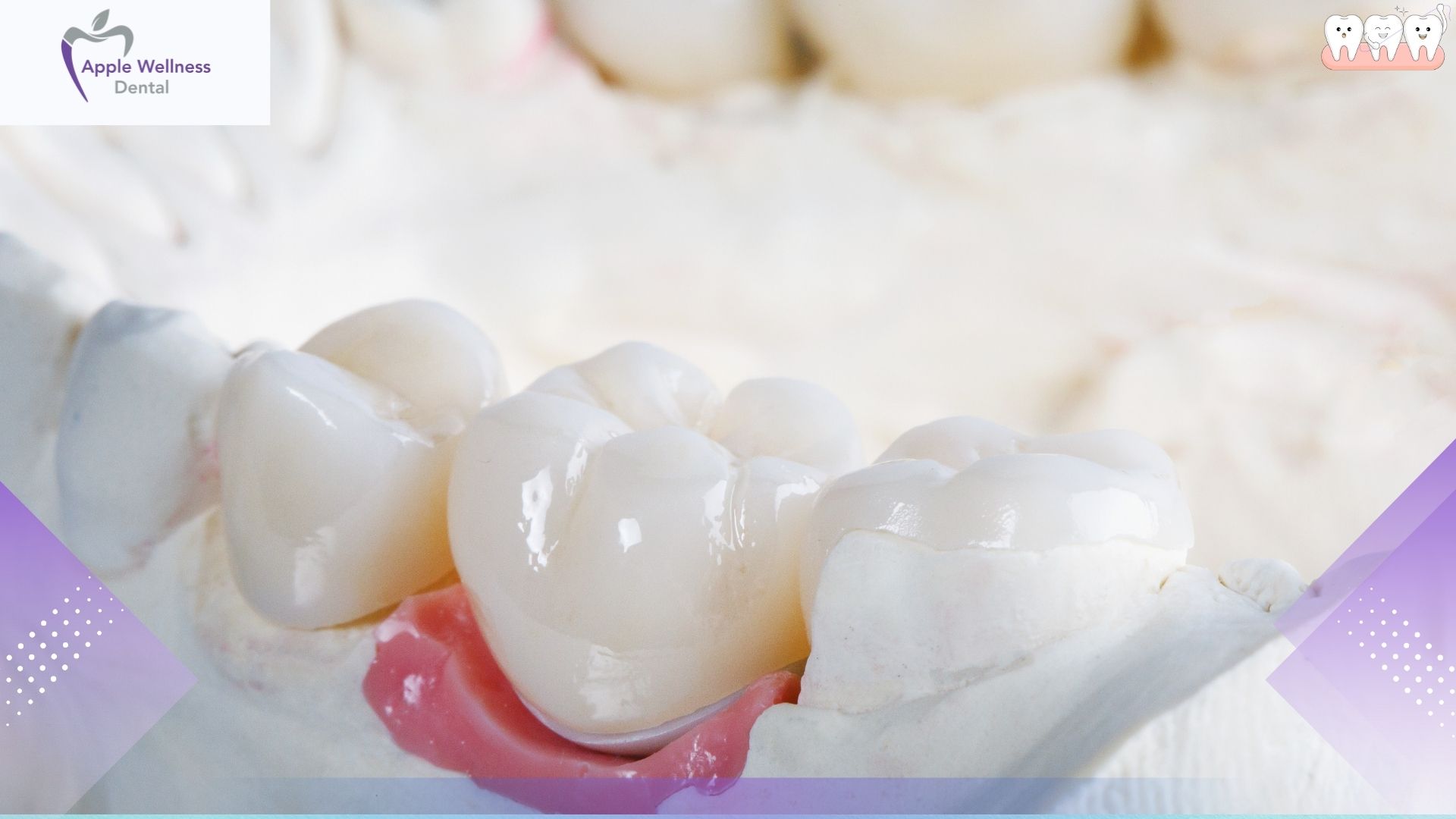
A dental crown is essentially a protective cover that encases the entire visible portion of a tooth. It is often referred to as a “cap.” Unlike a filling, which sits inside the tooth, a crown holds the tooth together from the outside.
Severe Decay and Large Fillings
One of the most common reasons we recommend a crown is when a tooth has extensive decay. If a cavity covers more than 50% of the tooth, there isn’t enough natural structure left to support a standard filling. A large filling in a weak tooth acts like a wedge; when you chew, the pressure can cause the remaining thin walls of the tooth to crack. A crown distributes this bite force evenly, protecting the tooth from fracture.
After Root Canal Therapy
Root canal treatment saves an infected tooth, but it also removes the blood supply, leaving the tooth brittle and prone to drying out. For molars and premolars—the teeth that do the heavy lifting in chewing—a crown is critical. Without one, a root-canal-treated tooth has a high risk of shattering, which would result in extraction.
Cracked Tooth Syndrome
If you experience sharp pain when biting down that disappears when you release, you may have a crack. These cracks can be invisible to the naked eye. A crown acts as a splint, binding the tooth together and stopping the crack from flexing and irritating the nerve. If you are experiencing this type of sharp pain, seeing an emergency dentist promptly can often save the tooth before the crack deepens.
The Role of the Dental Bridge
While crowns save existing teeth, bridges are the solution when a tooth is already gone. A bridge uses the healthy teeth on either side of a gap to anchor a false tooth (pontic) in place.
Preventing Dental Drift
The primary reason when are crowns and bridges recommended involves stability. Teeth are not fixed in concrete; they are held in bone by ligaments. When a tooth is lost, the surrounding teeth naturally drift into the empty space. This shifting can:
-
Disrupt your bite alignment.
-
Create hard-to-clean pockets where gum disease thrives.
-
Lead to jaw pain or TMJ disorders.
A bridge acts as a space maintainer, locking your remaining teeth in their correct positions.
Restoring Chewing Function
Missing even a single back tooth can reduce your chewing efficiency significantly. This forces you to chew on the other side of your mouth, causing excessive wear and strain on those teeth. A bridge restores balance, allowing you to eat comfortably and protecting your remaining teeth from premature wear.
Aesthetic Indications
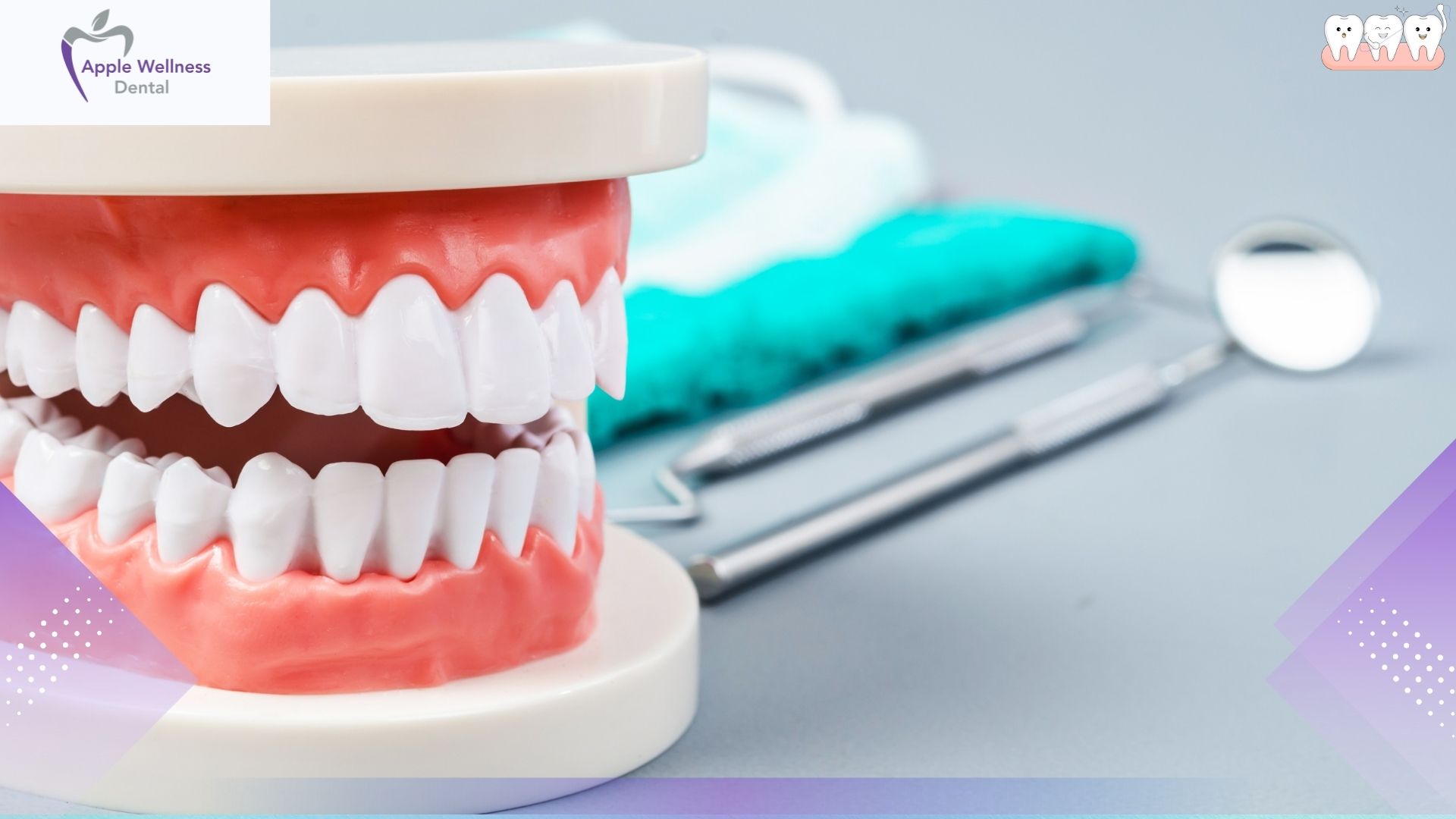
Function is priority number one, but we cannot ignore aesthetics. Your smile impacts your confidence and how you interact with the world.
Severe Discoloration
Sometimes, teeth are stained internally from medication (like tetracycline) or trauma. These deep stains do not respond to professional whitening. If porcelain veneers are not an option due to bite issues, crowns can provide a uniform, bright appearance that looks completely natural.
Misshapen or Small Teeth
Some people are born with “peg laterals” (undersized teeth next to the front two teeth) or teeth with malformed enamel. Crowns can resize and reshape these teeth to create a harmonious, symmetrical smile.
Crown vs. Bridge vs. Implant
Patients often ask why they should choose a bridge over a dental implant. While implants are the gold standard for tooth replacement, they are not always the right choice for everyone.
When a Bridge is Preferred:
-
Speed: A bridge can be completed in a few weeks, whereas an implant can take months to integrate with the bone.
-
Bone Health: If you have significant bone loss in the jaw and do not want to undergo bone grafting surgery, a bridge is a less invasive alternative.
-
Health Conditions: Certain systemic conditions like uncontrolled diabetes may make implant surgery risky or less successful.
We evaluate your medical history and specific dental anatomy to recommend the safest and most effective path. You can read more about the differences between dentures, bridges, and implants to see which might suit your lifestyle best.
Material Selection: Not All Crowns Are Equal
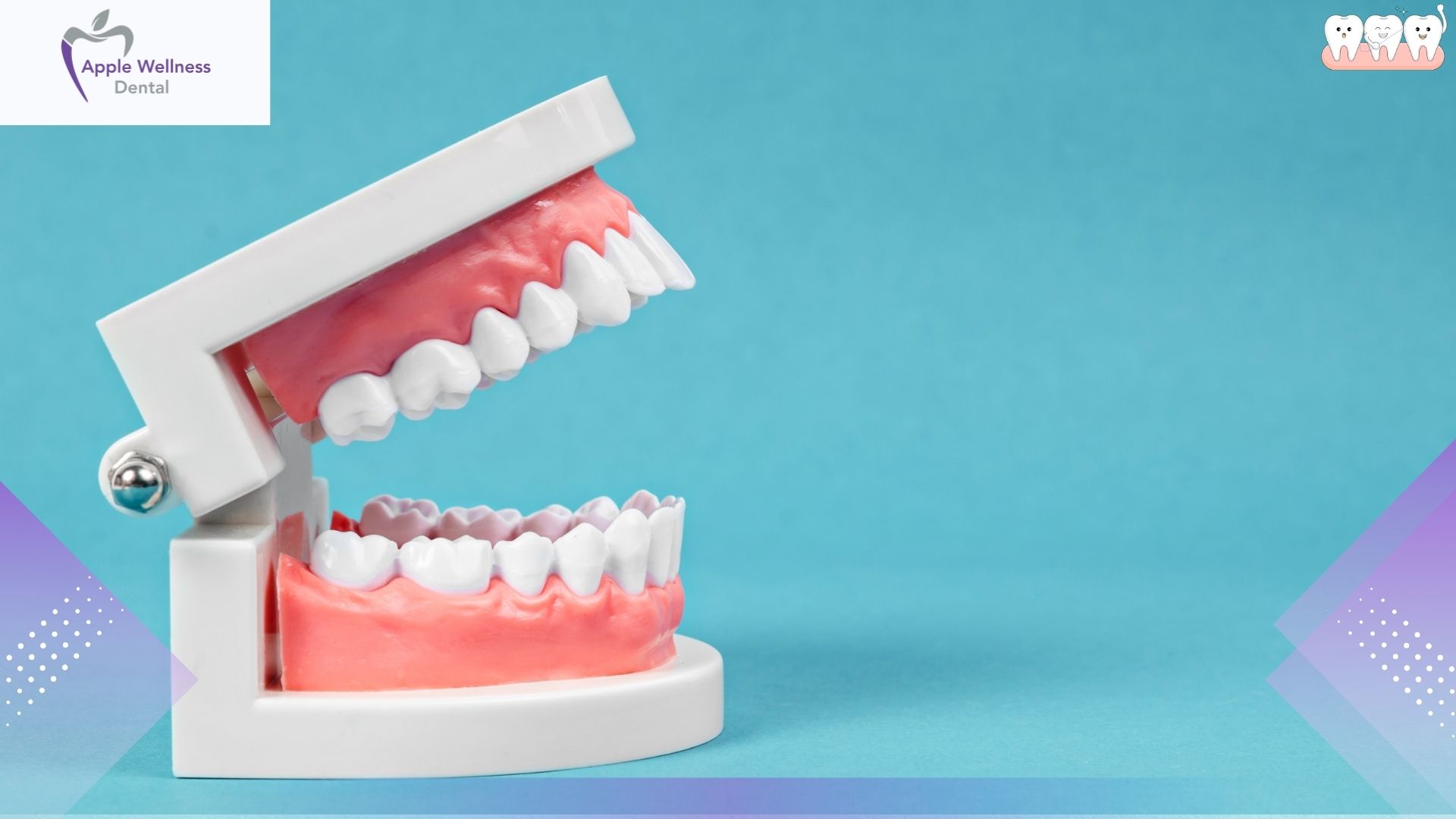
The recommendation for a crown or bridge also involves selecting the right material. This decision depends on which tooth is being treated.
-
Zirconia for Strength: For back teeth that endure hundreds of pounds of pressure, zirconia is often the material of choice. It is incredibly durable and resistant to chipping.
-
E-Max (Lithium Disilicate) for Beauty: For front teeth where aesthetics are paramount, E-Max ceramic offers superior translucency. It mimics the light-reflecting properties of natural enamel so closely that it is often indistinguishable from your real teeth.
-
Gold for Longevity: While less common today due to color, gold remains the most bio-compatible and long-lasting material. It requires the least amount of tooth reduction, preserving more of your natural structure.
Knowing how long dental crowns last often depends on choosing the correct material for the specific location in your mouth.
The Procedure Timeline
Understanding the process helps reduce anxiety. Whether receiving a crown or a bridge, the timeline is generally similar and involves two main visits.
Visit 1: Preparation and Impression
We numb the area to ensure you are comfortable. The tooth is then shaped to accommodate the restoration. We take a precise digital or physical impression, which is sent to a dental lab. You leave this appointment with a temporary crown or bridge to protect your teeth.
Visit 2: Cementation
About one to two weeks later, you return for the final placement. We remove the temporary, clean the tooth, and try in the new restoration. We check the fit, the contact with neighboring teeth, and your bite. Once everything is perfect, we cement it permanently. It is important to know how to care for a dental crown immediately after this appointment to ensure the cement sets properly.
Why Professional Assessment is Critical
We see many patients who try to delay treatment or look for “quick fixes” for broken teeth. Ignoring a recommendation for a crown or bridge usually leads to more extensive problems.
The Cost of Waiting
A tooth that needs a crown is a ticking clock. If it cracks below the gum line while you are waiting, it becomes non-restorable and must be extracted. Replacing a missing tooth is significantly more expensive and complex than crowning a damaged one.
Avoiding DIY Risks
Over-the-counter repair kits are temporary at best and dangerous at worst. They trap bacteria, leading to massive decay under the patch, and they can alter your bite, causing jaw pain. Professional restoration is the only way to seal the tooth effectively against bacteria.
Maintaining Your Investment
A common question regarding when are crowns and bridges recommended is how long they will last. These are long-term investments.
Hygiene Habits
A crowned tooth can still get a cavity at the gum line. Brushing twice a day and flossing daily is non-negotiable. For bridges, you must use a floss threader or water flosser to clean under the artificial tooth (pontic). If you struggle with keeping these areas clean, consulting a gum disease specialist can provide you with better tools and techniques.
Regular Checkups
We need to see you every six months to check the integrity of the restoration. We look for signs of wear, chips, or leakage at the margins. Early detection allows us to repair minor issues before the entire unit needs replacement.
Apple Wellness Dental: Your Partners in Oral Health
At Apple Wellness Dental, located at 229 1st Street SW, Airdrie, AB, we do not take the decision to alter your natural teeth lightly. We recommend crowns and bridges only when they are the best option to preserve your oral health and function. Our team uses advanced imaging and high-quality materials to create restorations that feel natural and last for years. If you are unsure about a recommended treatment, we are happy to provide a second opinion or discuss alternatives.
Don’t wait until a small crack becomes a lost tooth. Contact us today to discuss your restorative options and protect your smile.
Common Questions About when are crowns and bridges recommended
Q: Does a crown require a root canal?
A: No, not always. While most root-canal-treated back teeth need crowns, a living tooth with a large cavity or fracture can often be crowned without needing a root canal, provided the nerve is healthy.
Q: How long do crowns and bridges last?
A: On average, they last between 10 to 15 years. However, with excellent oral hygiene and regular dental visits, they can last 20 years or more. Habits like teeth grinding can shorten their lifespan.
Q: Is the procedure painful?
A: The preparation phase is done under local anesthesia, so you should feel no pain. Some patients experience mild sensitivity to hot or cold for a few days after the procedure, which typically subsides quickly.
Q: Can a bridge replace more than one missing tooth?
A: Yes, a bridge can replace two or sometimes more adjacent missing teeth. However, the longer the bridge, the more stress it places on the anchor teeth. We evaluate the bone support carefully before recommending long-span bridges.
Q: What happens if I don’t get a crown?
A: If a tooth recommended for a crown is left untreated, it is at high risk of fracturing. If the break goes deep into the root, the tooth cannot be saved and will need extraction.
Q: Can I whiten a crown or bridge?
A: No. Ceramic and porcelain materials do not respond to whitening gels. If you plan to whiten your teeth, you should do so before getting your crown or bridge so we can match the restoration to your new, lighter shade.
Q: Are there alternatives to a bridge?
A: The main alternatives are dental implants or a removable partial denture. Implants are independent and do not affect neighboring teeth, while partial dentures are a removable and more affordable option for replacing multiple teeth.
Q: Why is my temporary crown sensitive?
A: Temporary crowns are made of acrylic and are not as precisely fitted as the permanent custom one. They may not seal the tooth as perfectly, leading to mild sensitivity. This usually resolves once the permanent crown is cemented.
Conclusion
Understanding when are crowns and bridges recommended empowers you to take proactive steps in your dental care. These treatments are not just about fixing a broken part; they are about restoring the integrity of your entire chewing system, protecting your remaining teeth, and preserving your quality of life. Whether you need to reinforce a fragile tooth or fill a gap in your smile, timely intervention is key.
Secure your smile’s future today. Reach out to Apple Wellness Dental to learn if a crown or bridge is the right solution for you.