
What Are the Risks of Teeth Whitening in Airdrie? Safety Guide
Everyone in Airdrie wants a brighter smile. Whether you are meeting friends for coffee on Main Street or preparing for a big family event, a radiant smile is a powerful confidence booster. However, with the rise of social media trends and over-the-counter products, many patients ask us: is it safe? While whitening is generally safe when supervised, it is not without potential downsides. We believe in total transparency so you can make an informed decision for your oral health.
Key Takeaways
-
Sensitivity is the Top Complaint: Temporary sensitivity to cold is the most frequent side effect, caused by the pores in enamel opening up.
-
Gum Irritation Happens: One-size-fits-all strips and trays can allow bleach to leak onto gums, causing chemical burns.
-
Restorations Do Not Change Color: Fillings and crowns stay the same shade, potentially leading to a mismatched smile.
-
Enamel Safety: Professional whitening does not strip enamel, but overuse of DIY acids or abrasives can cause erosion.
-
Professional Oversight Matters: A dentist can identify if your teeth are healthy enough for whitening, preventing severe pain from untreated cavities.
Overview
If you are wondering what are the risks of teeth whitening in Airdrie, you are asking the right question. This guide explores the safety profile of bleaching treatments, ranging from temporary tooth sensitivity to soft tissue irritation. We break down the science of how whitening agents affect your enamel and why DIY methods often carry higher risks than professional treatments. You will also learn about specific contraindications—such as pregnancy or existing dental work—and find answers to common questions. Ultimately, we explain how our team helps you achieve a brighter smile without compromising your dental health.
The Science Behind the Sparkle
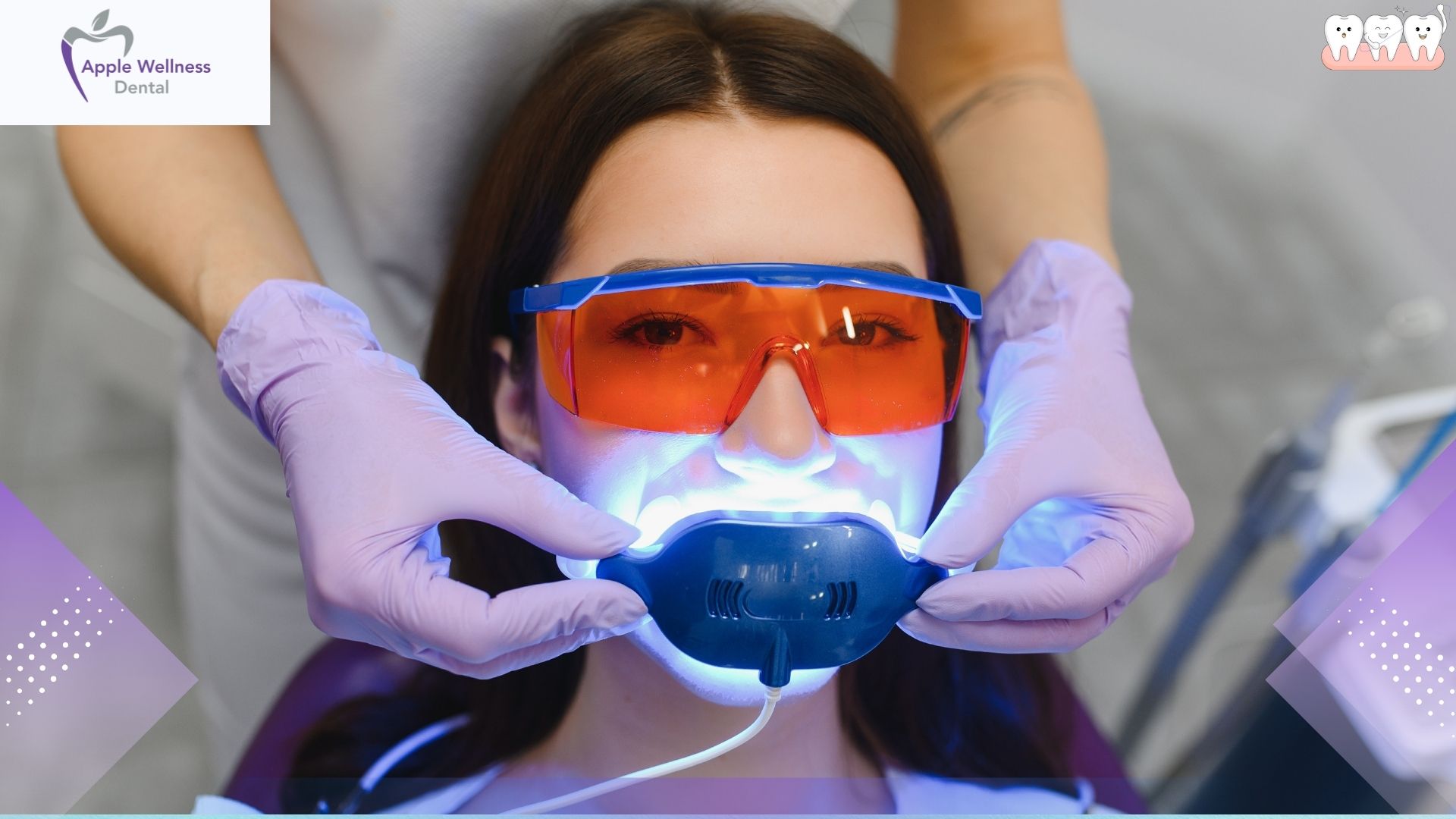
To understand the risks, you must first understand the mechanism. Teeth whitening uses peroxide-based agents (hydrogen or carbamide peroxide) to penetrate the enamel. These agents break apart the chemical bonds of stain molecules, effectively scattering the light and making the tooth appear whiter.
While this process is effective, it is chemically active. The peroxide must move through the hard outer shell of your tooth to reach the discolored molecules. This movement is what triggers the primary side effects. It is not a passive painting of the tooth; it is a deep cleaning reaction within the tooth structure itself. How Professional Whitening Works
The Most Common Risk: Tooth Sensitivity
By far, the most reported issue is tooth sensitivity. Have you ever taken a sip of ice water and felt a sharp “zing” in your tooth? That is the kind of sensation we are discussing.
Why does this happen? Enamel is porous. When peroxide cleans out the stains plugging these microscopic pores, the channels leading to the nerve of the tooth become temporarily exposed. This makes your teeth hyper-responsive to temperature changes.
For most people, this sensitivity lasts 24 to 48 hours. However, without professional guidance, you might inadvertently use a concentration that is too high for your specific teeth, leading to intense, lingering discomfort. We help you manage this by adjusting the strength of the whitening agent to match your tolerance. Understanding Tooth Sensitivity and Ingredients
Soft Tissue Irritation and Chemical Burns
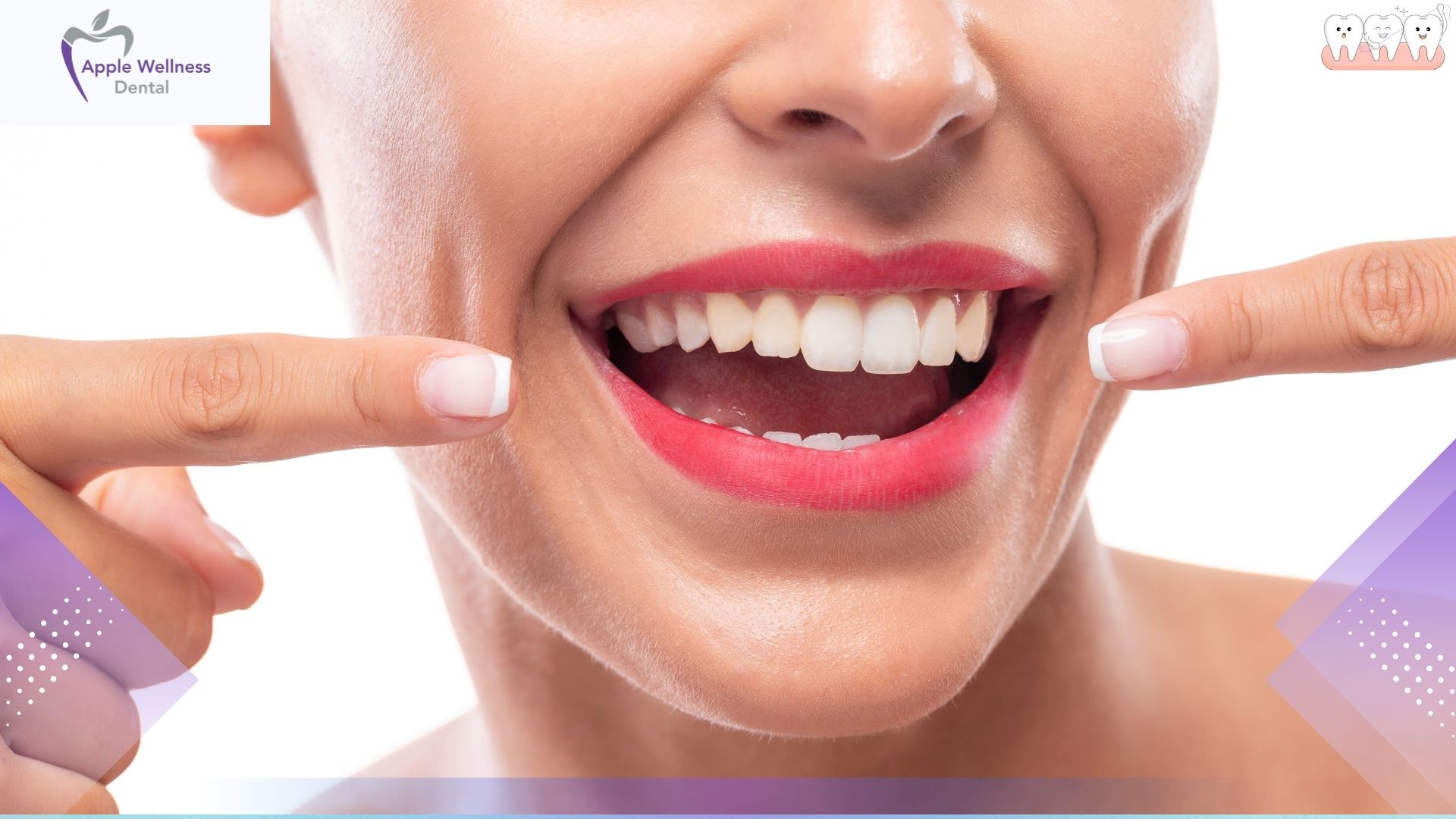
Your teeth are hard, but your gums are soft and delicate. A significant risk involves the bleaching gel coming into contact with your gum tissue.
The Problem with Generic Trays: Store-bought kits come with generic trays or strips. Since no two mouths in Airdrie are the same, these generic tools rarely fit perfectly. The bleaching gel often oozes out and sits on the gum line.
-
Chemical Burns: This can turn the gum tissue white and cause a stinging or burning sensation.
-
Inflammation: Prolonged exposure leads to red, swollen gums that bleed easily when brushing.
In a professional setting, we mitigate this risk almost entirely. We use custom-fabricated trays that fit your teeth like a glove, keeping the gel exactly where it needs to be and off your gums. The Importance of Gum Health
The Dangers of DIY and “Natural” Hacks
The internet is full of advice on how to whiten teeth with household items. While these might seem cost-effective, they are often the most damaging to your long-term oral health.
-
Charcoal and Baking Soda: These substances work by abrasion. They do not chemically remove deep stains; they physically scrub off the surface. If you scrub too hard or too often, you wear down the enamel. Once enamel is gone, it does not grow back. Thinner enamel exposes the yellow dentin underneath, ironically making your teeth look yellower and older.
-
Lemon Juice and Vinegar: Acid is the enemy of enamel. Rubbing acid on your teeth softens the hard mineral surface. If you brush your teeth shortly after applying these acids, you are essentially brushing away layers of your tooth.
Learn About Enamel Erosion Risks
Risks to Existing Dental Restorations

A crucial factor many people overlook when researching what are the risks of teeth whitening in Airdrie is how the process affects existing dental work. Bleaching agents only work on natural tooth structure. They have zero effect on:
If you have a visible filling on a front tooth and you whiten your smile, the natural tooth will get brighter, but the filling will stay the same shade. This results in a “technicolor” smile that looks patchy and unnatural. We perform a thorough exam to identify these restorations beforehand, so you aren’t left with a smile that looks worse than when you started. Caring for Your Dental Crowns
Gastric Irritation from Swallowing Gel
Another side effect of ill-fitting strips or trays is the ingestion of the whitening product. As your mouth produces saliva, it mixes with the excess gel leaking from a loose tray, and you end up swallowing it.
While small amounts of peroxide are generally not toxic, swallowing significant quantities can irritate your throat and cause nausea or stomach cramps. Professional systems are designed to stay viscous and remain in the tray, significantly reducing the amount you might ingest.
“Bleachorexia” and Translucency
There is such a thing as “too white.” Some patients become obsessed with whitening, a condition jokingly referred to as “bleachorexia.”
Over-whitening does not make teeth whiter indefinitely. Eventually, teeth reach a saturation point. If you continue to bleach beyond this point, the enamel can lose its mineral content and become translucent. This gives the teeth a blue-gray, glassy appearance particularly at the edges. This damage is difficult to reverse and can lead to brittleness and chipping. Protecting Your Enamel
Who Should Avoid Whitening?
Safety is not just about the procedure; it is about the patient. There are specific groups who should pause before seeking whitening treatments:
-
Pregnant or Nursing Mothers: There is insufficient research to prove that whitening is safe for a developing fetus or nursing infant. We advise waiting until after this period.
-
Children and Teens: Young teeth have large nerve chambers. Whitening can cause excruciating pain in developing teeth.
-
Patients with Gum Disease: If your gums are already inflamed or receding, whitening agents will aggravate the condition significantly.
-
Untreated Cavities: If bleaching gel seeps into an open cavity, it has a direct pathway to the tooth nerve. This can cause severe abscesses or need for root canal therapy.
This is why a pre-whitening exam is non-negotiable for us. We verify that your mouth is healthy enough to handle the cosmetic improvement.
How We Mitigate Risks at Apple Wellness Dental
You do not have to accept these risks as a necessary evil. Professional supervision changes the safety profile entirely.
-
Custom Trays: We take impressions of your teeth to create trays that hold the gel against the enamel and away from the gums.
-
Controlled Concentration: We select a whitening strength that balances speed with your personal sensitivity history.
-
Desensitizing Protocols: We can provide prescription-strength fluoride or desensitizing pastes to use before and after treatment to block nerve signals.
-
Monitoring: We track your progress to prevent over-whitening and translucency.
Why Choose Professional Teeth Whitening
Partnering for a Safer Smile
At Apple Wellness Dental, located at 229 1st Street SW, Airdrie, AB, your safety is our priority. We understand the desire for a confident smile, but we never compromise your health to achieve it. By choosing professional supervision, you avoid the pitfalls of DIY errors and ensure your results are consistent and safe. If you have questions or are ready to brighten your smile, give us a call at +1 587 332 6767.
Ready to see a brighter you? Contact us today to schedule your whitening consultation and take the first step toward a radiant, healthy smile.
Common Questions About what are the risks of teeth whitening in airdrie
Q: Will whitening damage my enamel permanently? A: No, professional whitening does not damage enamel when used correctly. The risk comes from overuse or using abrasive DIY scrubs. Professional peroxide agents safely lift stains from the pores of the enamel without altering its hardness or structure.
Q: How long does the sensitivity last after treatment? A: Sensitivity is typically temporary and subsides within 24 to 48 hours. If you experience lingering pain, it may be a sign of an underlying issue like a crack or cavity, and you should contact us immediately.
Q: Can I whiten my teeth if I have sensitive teeth already? A: Yes, but with caution. We can customize a lower-concentration protocol for you and recommend using desensitizing toothpaste for two weeks prior to treatment to calm the nerves and prepare your teeth.
Q: Does whitening work on veneers or crowns? A: No, whitening agents do not change the color of ceramic or porcelain. If you whiten your natural teeth, your crowns will stand out as darker. We often recommend whitening before placing new crowns to match the lighter shade.
Q: Is the light used in whitening dangerous? A: Professional LED lights are generally safe and do not emit harmful UV radiation. However, they can dehydrate the tooth slightly, which may increase temporary sensitivity. We monitor this closely during in-office sessions.
Q: Can I whiten my teeth while pregnant? A: We recommend avoiding elective cosmetic procedures, including whitening, during pregnancy and breastfeeding. It is better to err on the side of caution since the effects of swallowed peroxide on the baby are not fully studied.
Q: Why do my gums turn white after using store-bought strips? A: This is a chemical burn caused by the peroxide gel leaking onto the gum tissue. It is a sign the product is not staying on the teeth. While it usually heals in a few days, it indicates the tray or strip does not fit you properly.
Q: Is charcoal toothpaste safer than bleaching? A: Generally, no. Charcoal is abrasive and removes stains by scratching the enamel surface. Over time, this makes teeth rougher and more prone to staining, whereas chemical whitening dissolves stains without physical abrasion.
Conclusion
A bright smile is a wonderful asset, but it must be achieved responsibly. Understanding what are the risks of teeth whitening in airdrie—from temporary sensitivity to the dangers of unregulated products—helps you protect your investment in your oral health. By avoiding DIY shortcuts and opting for professional guidance, you can enjoy a dazzling smile without the worry.