
How Does Professional Teeth Whitening Work in Airdrie
Choosing to brighten your smile is a decision that involves your appearance, your self-esteem, and your oral health. While you can find many options on store shelves, the clinical process offers a level of depth and safety that home kits cannot provide. Many residents in our community are curious about the specific mechanics behind a dental visit for cosmetic brightening. You want to know if the process is safe, how long it takes, and what exactly happens while you are in the chair.
By understanding the biological and chemical interactions at play, you can approach your treatment with confidence. We are dedicated to providing clear, science-based information to help you achieve the vibrant look you desire while protecting the health of your enamel and gums.
Key Takeaways
-
Oxidation: Teeth whitening is a chemical process that removes deep pigments from the enamel through oxidation.
-
Speed: Professional supervision allows for high-concentration gels that deliver results much faster than over-the-counter products.
-
Protection: Clinical barriers protect your soft tissues from irritation, a step often missing in DIY methods.
-
Pre-Whitening Health: Exams are essential to confirm your teeth are healthy enough for the whitening agent.
-
Predictability: Consistent results are achieved through customized application and professional-grade light activation.
The Biological Foundation of Tooth Color
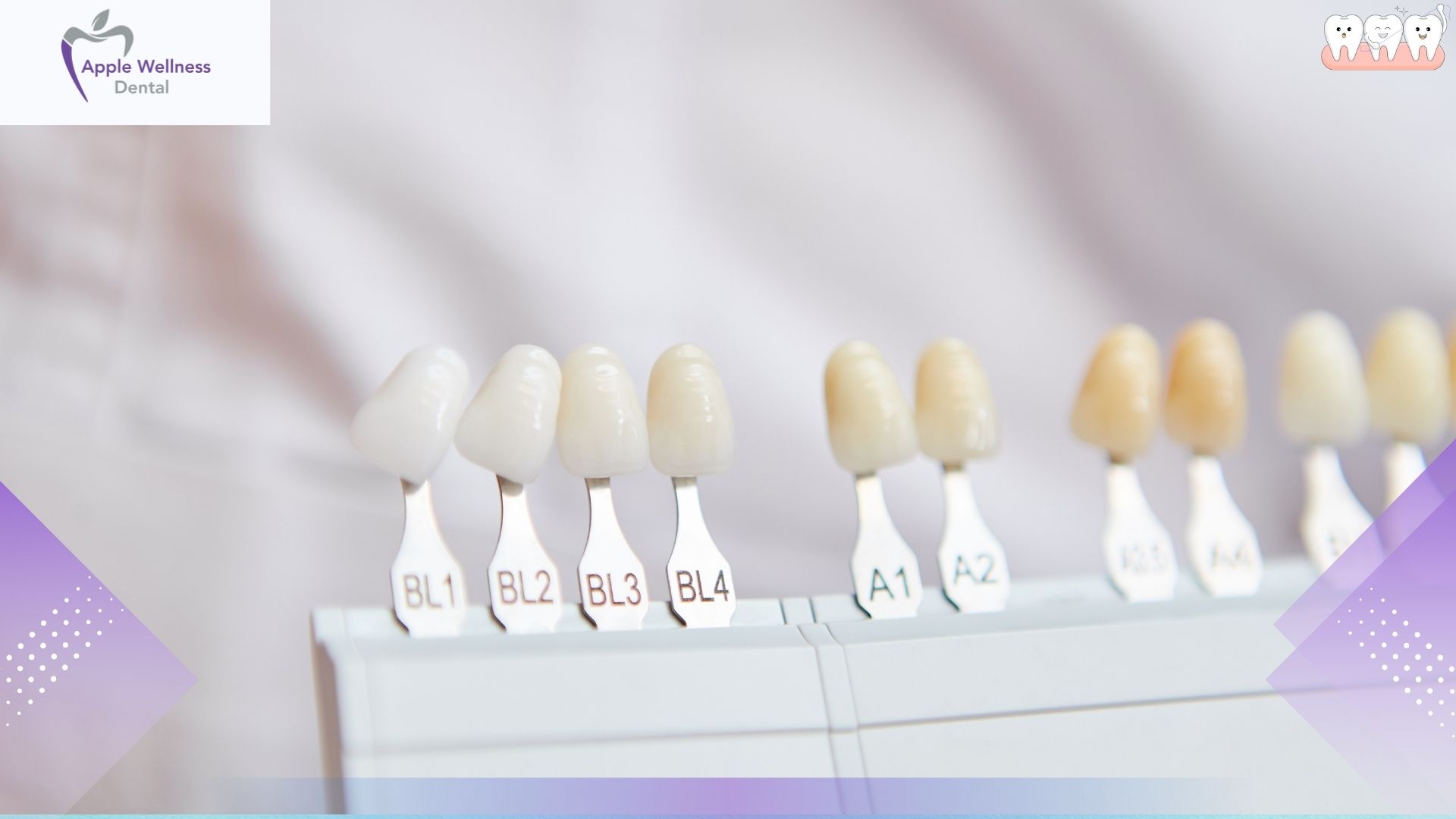
To understand how we can change the shade of your teeth, we must first look at the structure of the tooth itself. Your teeth are made of several layers. The outermost layer, the enamel, is the hardest substance in the body, but it is not a solid wall. Enamel is actually composed of microscopic, rod-like structures that create tiny pores. Over time, pigments from what we eat and drink settle into these pores. This is why daily habits like drinking coffee, tea, or red wine eventually lead to a dull or yellowed appearance.
Beneath the enamel lies the dentin. This layer is naturally yellower than enamel. As we age, our enamel naturally thins, allowing the darker color of the dentin to show through. When people ask how does professional teeth whitening work in Airdrie, they are often asking how we reach these deeper areas. A professional treatment doesn’t just scrub the surface; it penetrates the enamel to reach the pigments that a toothbrush simply cannot touch.
The Chemistry of Oxygenation and Stains
The actual “whitening” happens through a chemical reaction called oxidation. Most professional whitening products use high concentrations of hydrogen peroxide or carbamide peroxide. When these gels are applied to the teeth, the peroxide molecules enter the microscopic pores of the enamel. As the peroxide breaks down, it releases oxygen radicals. These oxygen molecules are highly reactive and seek out the large, dark pigment molecules (chromogens) that have bonded to your tooth structure.
The oxygen radicals break the chemical bonds of these stain molecules, shattering them into much smaller, colorless fragments. Because these smaller pieces no longer absorb color and instead reflect more light, your teeth appear significantly whiter. This is a very specific chemical interaction that targets the organic stains without changing the mineral composition of the tooth.
The Clinical Process: What Happens During Your Visit
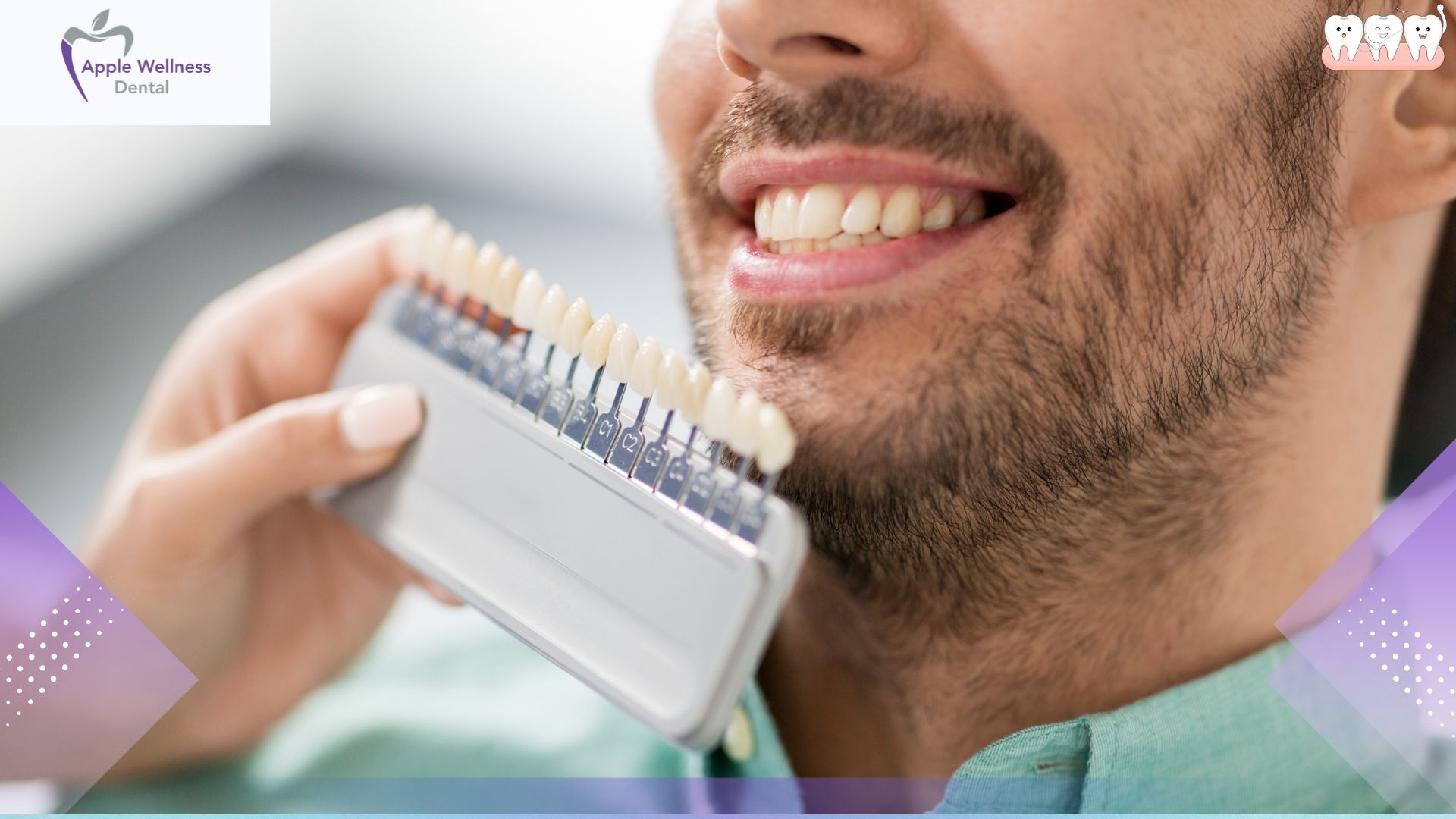
A professional whitening session is a structured, multi-step procedure. We start with a comprehensive dental exam. This is the most important part of the process because we must confirm that you do not have active decay, gum disease, or exposed roots. Applying whitening gel to a tooth with a cavity can lead to intense pain and potentially damage the nerve. This screening process allows us to handle any oral health issues before moving to cosmetic goals.
Once we confirm you are a good candidate, we perform a thorough cleaning to remove any surface plaque. If there is a layer of plaque or tartar on the teeth, the whitening gel will not be able to reach the enamel evenly. After the teeth are clean and dry, we place protective barriers. These might include a lip retractor and a specialized resin gel that we “paint” onto your gums. This barrier protects the sensitive soft tissues from the high-concentration whitening agent, preventing the chemical burns that can sometimes occur with unsupervised home use.
Application and Activation Technology
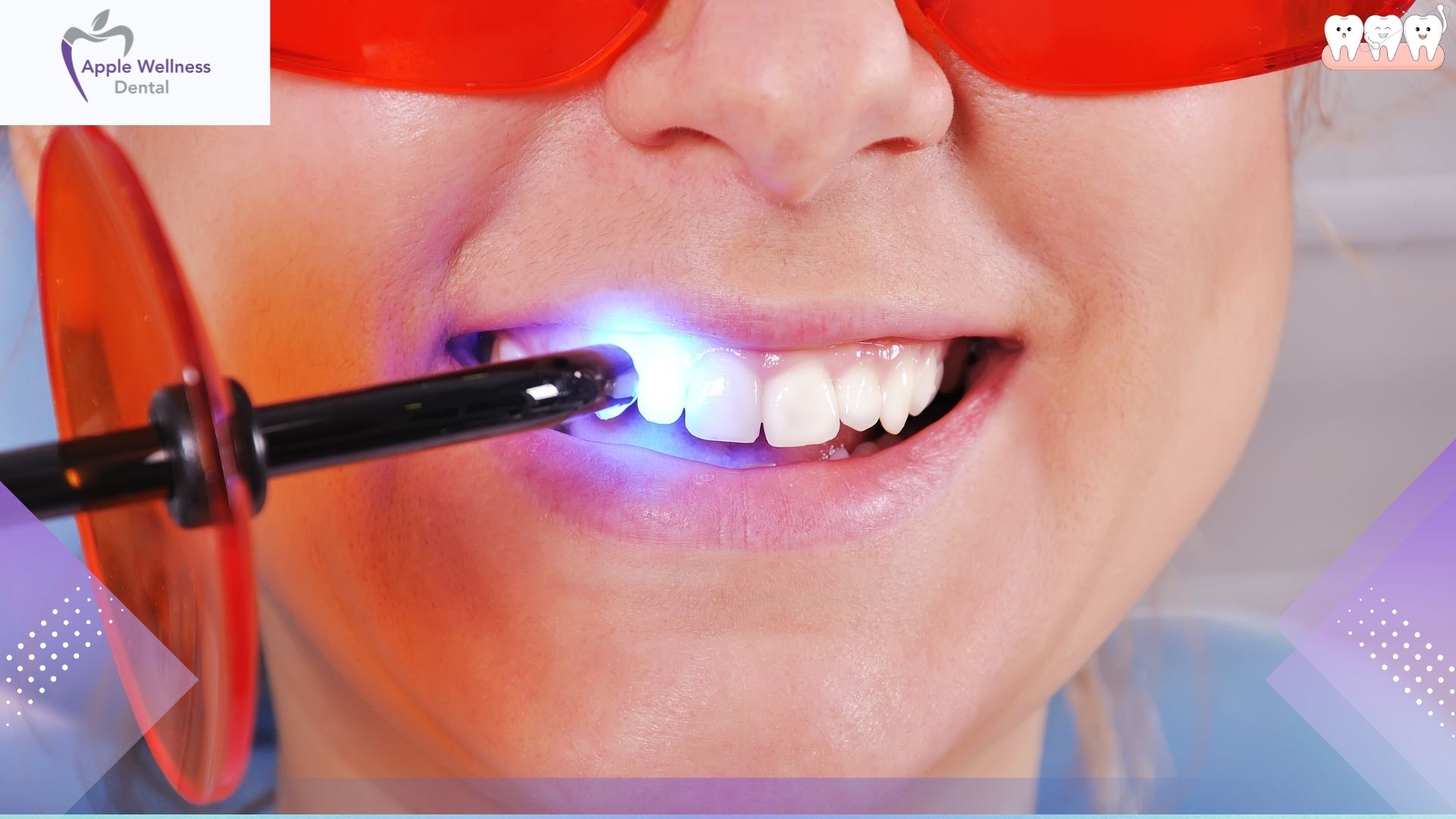
After the mouth is prepared, we apply the professional-strength gel. Unlike the thin layers found in over-the-counter strips, clinical gels are thick and applied with precision. In many cases, we use a specialized LED light or laser to “activate” the peroxide. This light provides energy that helps the peroxide break down faster, releasing oxygen radicals more quickly. This acceleration is one of the main reasons why a professional treatment can achieve in one hour what home kits take weeks to accomplish.
The gel is typically left on for 15 to 20 minutes, then rinsed off and reapplied. This “rounds” system allows us to monitor your progress and check for any signs of sensitivity. If a patient feels a “zing” or minor discomfort, we can adjust the treatment immediately. By the end of the session, the teeth have often lifted several shades, providing an immediate and dramatic improvement.
Why Professional Care Beats DIY Alternatives
It is understandable why someone might try a home kit first, but there are fundamental differences in the science and safety. Retail products are regulated to have very low concentrations of whitening agents so that they are safe for anyone to use without training. This means they are really only effective on surface-level stains. They cannot penetrate deep enough to address the intrinsic yellowing that occurs in the dentin or the deep pores of the enamel.
Furthermore, home kits use generic trays that are supposed to fit everyone but often fit no one. This leads to the gel leaking out onto the gums and throat, causing irritation. When you choose professional care, you are choosing a treatment that is individualized for your mouth. For more details on the differences, you can review our insights on teeth whitening options and results.
Managing Sensitivity and Enamel Safety
A common concern for patients is whether the whitening process will hurt or ruin their enamel. When done under professional guidance, whitening is very safe. The oxygenation process does not “eat away” at the enamel; it simply reacts with the pigments. However, the process does temporarily dehydrate the tooth and open the microscopic pores. This can lead to temporary sensitivity to cold or air for 24 to 48 hours.
We manage this by using gels that contain desensitizing agents like potassium nitrate or fluoride. We also provide professional advice on choosing the right toothbrush and toothpaste to use at home following your visit. If you already have naturally sensitive teeth, we may recommend a slower, more gradual approach.
Factors That Influence Your Final Results
It is important to have a realistic understanding of what whitening can achieve. The final shade of your teeth depends on your natural starting point. Some people have teeth with a yellowish hue, while others have more of a grayish tone. Yellowish teeth typically respond the best to peroxide treatments.
Furthermore, whitening agents only work on natural tooth structure. They will not change the color of composite fillings, crowns, or veneers. If you have visible dental work in your “smile zone,” whitening the surrounding natural teeth may make the existing dental work look dark by comparison. We help you manage these situations by discussing the potential need for new restorations. Understanding how dental implants work or how crowns function is vital if you need to replace old dental work to match your new smile.
Longevity and Maintaining Your Bright Smile
The results of a professional treatment are long-lasting, but they are not permanent. Your teeth will always be porous, and they will continue to age. Most professional results stay vibrant for six months to two years, depending on your lifestyle. If you continue to smoke or consume high-pigment foods and drinks daily, the stains will return faster.
We suggest several steps to extend the life of your results, such as using a straw for dark beverages and rinsing with water after meals. Maintaining your regular hygiene visits for preventing tooth decay is also vital, as professional cleanings remove the surface debris that can dull the luster of your whitening.
Common Questions About Professional Whitening
Q: Is professional whitening safe for my enamel? A: Yes, when administered by a dental professional, the process is safe. The whitening agents target the organic pigments within the pores of the enamel and do not damage the mineral structure of the tooth itself.
Q: How many shades whiter can I expect my teeth to get? A: Most patients see an improvement of three to eight shades after a professional in-office session. The exact amount of lifting depends on the initial shade of your teeth and the type of staining present.
Q: Why does my dentist need to check for cavities before whitening? A: Whitening gel is very powerful. If it enters a cavity or a crack in a tooth, it can travel directly to the nerve, causing extreme pain. We perform an exam to confirm your mouth is healthy, sometimes identifying needs like what to do if you chip a tooth before starting cosmetic work.
Q: Can I whiten my teeth if I have crowns or fillings on my front teeth? A: You can, but the whitening agent will not change the color of these materials. We may recommend replacing old restorations after the whitening so that they match your new, brighter tooth shade.
Q: How long do I have to wait to eat after the procedure? A: We suggest waiting at least 30 to 60 minutes before eating, and then sticking to a “white diet” for the first 48 hours. Avoiding dark-colored foods during this window helps preserve your results.
Conclusion
Understanding the science of your smile is the best way to make healthy choices for your appearance. By learning how professional teeth whitening works, you can see that clinical care is about more than just a brighter look—it is about a safe, expert-led process that respects the biology of your teeth.
From the chemical breakdown of stains to the precision of gum protection, every step is aimed at providing a result that is both stunning and healthy. We believe that everyone deserves a smile they are proud to share with the world. For further reading on maintaining oral health after procedures, you can explore how to care for your tooth after root canal therapy or review our guide on dental emergency treatment. At Apple Wellness Dental, we are here to support your journey to a healthier, brighter smile.