
How to Care for Your Tooth After Root Canal Therapy in Airdrie
Living in a vibrant community like Airdrie means you are often on the move, but a major dental procedure requires you to pause and focus on your recovery. Completing a root canal is a significant achievement in saving your natural smile. However, the work does not end once you leave our clinic. The success of the treatment depends heavily on the steps you take during the healing phase.
We want to help you understand exactly what to do to protect your tooth and ensure a comfortable recovery. By following professional advice, you can avoid common pitfalls and return to your favorite local activities with a healthy, pain-free mouth.
Key Takeaways
-
Wait to eat until your local anesthesia has completely worn off to prevent accidental injury to soft tissues.
-
Prioritize soft foods and chew on the opposite side of your mouth to protect the temporary filling.
-
Maintain a gentle hygiene routine to prevent bacteria from accumulating around the treatment site.
-
Use recommended pain relievers to manage minor swelling or sensitivity during the first few days.
-
Attend all follow-up appointments to receive your permanent crown, which is essential for the tooth’s structural integrity.
Immediate Post-Procedure Protocol
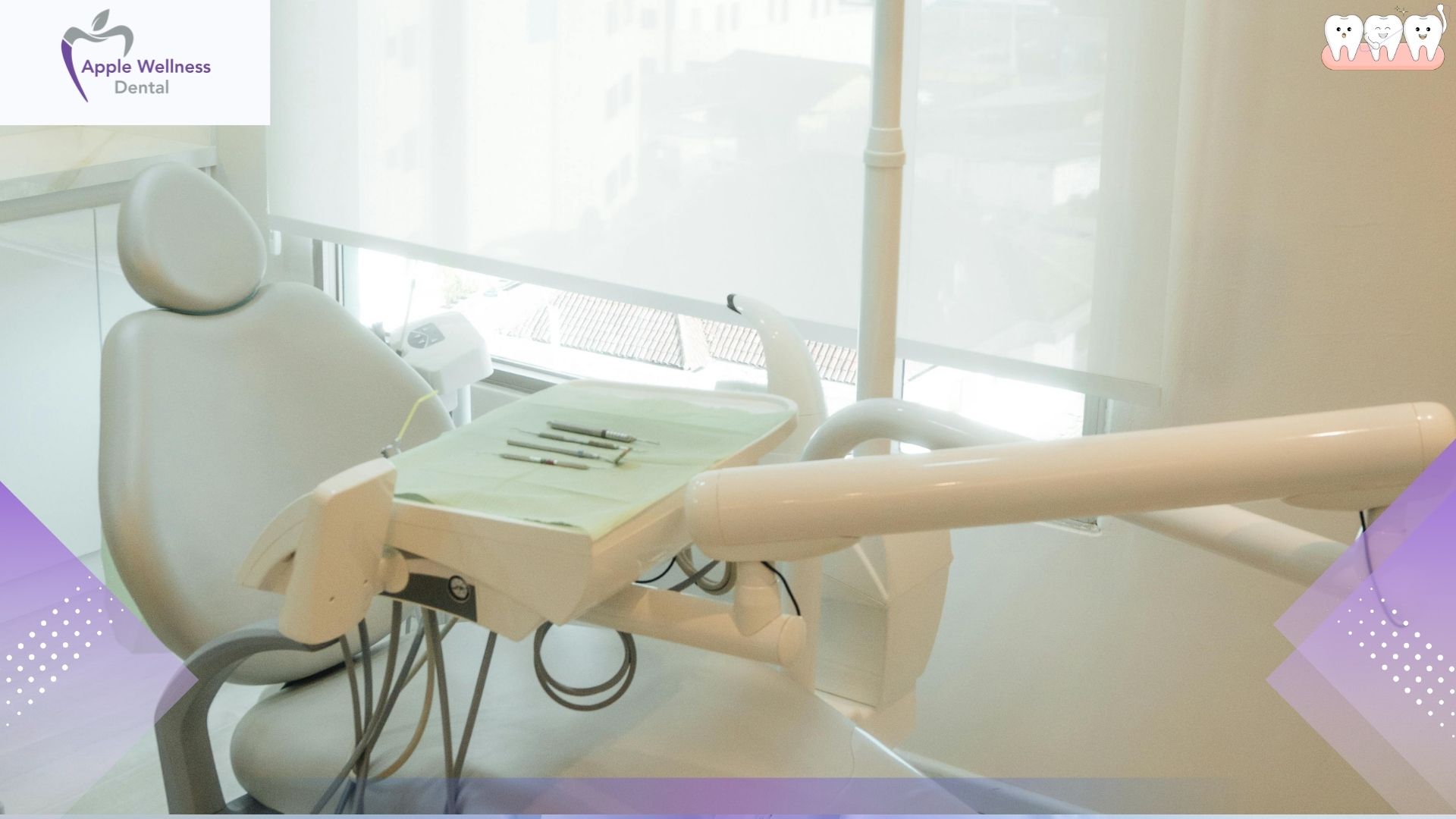
The first few hours after your treatment are critical. Because we use local anesthesia to ensure your comfort during the procedure, your lips, tongue, and cheeks will remain numb for several hours. During this period, it is vital that you do not attempt to eat. Without the ability to feel pressure or temperature, you could easily bite your cheek severely or burn your gums with a hot beverage. We suggest sipping room-temperature water through a straw if you feel thirsty, being careful not to create a strong suction which could disturb the site.
Once the numbness begins to fade, you might notice a slight “throbbing” or tenderness. This is a natural reaction as your body begins to heal the tissues around the root.
It is often helpful to take a mild anti-inflammatory medication (like ibuprofen) before the sensation fully returns. This proactive approach helps keep discomfort at a manageable level. Many of our patients find that resting with their head slightly elevated for the first afternoon helps reduce blood flow to the jaw, further minimizing sensitivity.
Managing Your Diet and Nutrition
Nutrition plays a significant role in how to care for your tooth after root canal therapy in Airdrie. While you don’t need to fast, you must be selective about your food choices for the first week. The tooth is temporarily weakened because it has been hollowed out and filled with a temporary material. Chewing something hard or sticky could cause the tooth to fracture or pull the temporary filling out of its place.
We recommend focusing on soft foods that provide essential vitamins for healing. To make this easier, here is a quick reference guide:
| Safe Foods (Soft & Nutrient-Dense) | Foods to Avoid (Until Crown Placement) |
| Proteins: Scrambled eggs, Greek yogurt, protein shakes. | Crunchy Items: Chips, nuts, pretzels, raw carrots. |
| Carbs: Mashed potatoes, well-cooked pasta, oatmeal. | Sticky Sweets: Caramel, taffy, gum, gummy bears. |
| Fruits/Veg: Smoothies, applesauce, steamed vegetables. | Hard Foods: Ice cubes, hard candies, crusty bread. |
| Drinks: Lukewarm water, milk, juice. | Temperature Extremes: Very hot coffee or ice-cold slushies. |
Avoiding crunchy foods is essential until the final crown is placed. This period of caution protects the integrity of the seal we have created inside the tooth.
Maintaining Oral Hygiene Safely

It is a common misconception that you should avoid brushing the treated area. In fact, keeping the site clean is one of the most important aspects of recovery. Plaque and bacteria can still accumulate around the gum line, which could lead to inflammation or secondary infections. You should continue to brush twice a day, but use a very light touch.
Using the right tools is critical during this sensitive time. A hard-bristled brush can irritate healing gums. We recommend reading our guide on choosing the right toothbrush to ensure you are using a tool that cleans effectively without causing damage.
Flossing Technique Adjustment:
Flossing requires a minor adjustment in technique. Instead of pulling the floss back up through the gap between your teeth, which could snag the temporary filling, pull it out through the side. This prevents vertical pressure that could compromise the seal.
We also suggest using a warm saltwater rinse starting the day after your procedure. This simple home care step helps keep the area sterile and can soothe any gum irritation caused by the dental dam used during the treatment.
The Necessity of the Final Restoration
A root canal procedure involves removing the internal pulp of the tooth, which essentially makes the tooth “non-vital.” Without a blood supply, the tooth structure becomes more brittle over time. While the root canal removes the infection, it is the permanent crown that restores the tooth’s strength. We cannot emphasize enough that a temporary filling is only meant to last for a short duration—usually two to three weeks.
Delaying the placement of your permanent crown is a risk to your oral health. If the temporary seal fails, bacteria can leak back into the canals, requiring a retreat of the entire procedure. Furthermore, the tooth is at a much higher risk of cracking vertically. You can learn more about protecting your restoration in our article on how to care for a dental crown. If a tooth fractures below the gumline, it often cannot be saved and must be extracted. At that point, you would need to explore options like understanding dental implant basics to replace the missing tooth. Timely restoration prevents this scenario and significantly increases the success rate of endodontic therapy.
Monitoring Your Healing Progress

While some sensitivity is expected, you should know what constitutes a normal recovery versus a potential complication. Most minor aches should resolve within three to five days as the inflammation subsides. However, certain signs warrant immediate attention.
If you experience visible swelling that you can see in the mirror, severe pain that does not respond to medication, or a fever, these are not normal. These symptoms may indicate a persistent infection that requires urgent care. Review our guide on what to do if you chip a tooth or face an emergency to understand when to call us immediately. Additionally, if you feel a “high” spot when you bite down, let us know; a quick adjustment to the temporary filling can often resolve this discomfort instantly.
Integrating Professional Care into Your Recovery
Navigating the days following a dental procedure doesn’t have to be a solo journey. Once your tooth has fully healed and the permanent crown is placed, your focus should shift to long-term maintenance. Continued vigilance in your hygiene routine is the best strategy for strengthening tooth enamel and preventing decay around the margins of your new crown.
Furthermore, once your oral health is stable, many patients choose to enhance the aesthetics of their smile. If you notice your natural teeth are not as bright as your new porcelain crown, we can discuss teeth whitening options and results to blend your smile seamlessly.
At Apple Wellness Dental, we are committed to providing the highest standard of care to our community. You can find us located at 229 1st Street SW, Airdrie, AB, where our team is ready to assist you with all your restorative and preventive needs. Whether you are ready to schedule your permanent crown or have questions about your healing process, feel free to call us at +1 587 332 6767.
Common Questions About Post-Root Canal Care
Q: Can I go back to work immediately after a root canal?
A: Most patients are able to return to work or school the very next day. While you may feel some mild tenderness, it is usually not enough to interfere with your daily responsibilities. If your job involves heavy physical labor, you might consider taking the rest of the day off to allow the initial inflammation to settle.
Q: What happens if my temporary filling feels loose?
A: If your temporary filling feels loose or a piece of it chips away, please call our office. It is important to maintain the seal to prevent bacteria from entering the canals. While a small amount of wear is normal, a significant loss of filling material requires a quick repair.
Q: Is it okay to smoke after the procedure?
A: We strongly advise against smoking for at least 24 to 48 hours after your treatment. Smoking reduces blood flow to the gums and can significantly slow down the healing process, increasing the risk of painful inflammation.
Q: How long will the sensitivity to cold and heat last?
A: Some sensitivity is normal for a few days, but it should gradually fade. Because the nerve inside the tooth has been removed, the sensitivity usually comes from the surrounding ligaments. If it persists beyond a week, please reach out to us.
Q: When can I start eating my normal favorite foods again?
A: You can slowly reintroduce your favorite foods once the permanent crown is securely in place. Until then, you must remain cautious with hard or crunchy items. Think of the permanent crown as the “final shield” that allows you to return to your full, unrestricted diet with confidence.
Q: Does the tooth require special cleaning forever?
A: No, once the permanent crown is placed, you care for it just like a natural tooth. Regular brushing, flossing, and professional cleanings are all that is required. The goal of learning how to care for your tooth after root canal therapy in Airdrie is to establish habits that protect your smile for the long term.