
Safety Guide On Oral Activity After Tooth Extraction
After undergoing a tooth extraction, patients often have numerous questions about their recovery process and what activities they should avoid. One particularly sensitive topic that many feel uncomfortable discussing with their dental provider is whether it’s safe to engage in oral sex after tooth extraction. This is a legitimate medical concern that deserves a straightforward, professional response based on dental health principles and healing requirements.
Tooth extraction creates an open wound in your mouth that requires time to heal properly. During the initial healing period, the extraction site is vulnerable to infection, bleeding, and other complications that can significantly delay recovery or cause serious health issues. Understanding the risks associated with various activities, including intimate ones, is crucial for ensuring optimal healing outcomes.
The healing process after tooth extraction typically involves several stages, beginning with blood clot formation and progressing through tissue regeneration and bone remodeling. Any activity that creates suction, introduces bacteria, or causes trauma to the extraction site can disrupt this delicate healing process. This includes activities like smoking, drinking through straws, and yes, certain forms of intimate contact.
When considering oral sex after tooth extraction, it’s important to understand that this activity can pose several risks to your healing extraction site. The suction involved, potential for bacterial introduction, and physical contact with the healing area can all compromise your recovery. Additionally, the increased blood flow and potential for accidental trauma during intimate activities can lead to bleeding, pain, and delayed healing.
At Apple Wellness Dental, we understand that patients need comprehensive information about all aspects of their recovery, including topics that might feel awkward to discuss. Our goal is to provide you with the knowledge necessary to make informed decisions about your oral health and recovery process, ensuring the best possible outcomes for your dental treatment.
This article provides general information about oral health and healing after tooth extraction. It isn’t a substitute for individualized advice from your dentist, who can assess your specific healing progress and give you guidance tailored to your procedure.
Key Takeaways
- Recommended Waiting Periods: These are general guidelines, not fixed rules. Your dentist is the only one who can confirm when it’s safe to resume normal activity based on how your extraction site is healing.
-
Wait for proper healing: Most dental professionals recommend waiting at least 7-10 days after tooth extraction before engaging in any activities that create suction or could introduce bacteria to the extraction site.
-
Infection risk is significant: The mouth contains numerous bacteria, and introducing additional bacteria from intimate contact can lead to serious infections at the extraction site, potentially requiring additional treatment.
-
Suction can dislodge blood clots: The suction created during oral sex can dislodge the protective blood clot that forms over the extraction site, leading to a painful condition called dry socket.
-
Individual healing varies: Some patients may require longer healing periods depending on the complexity of their extraction, their overall health, and how well they follow post-operative instructions.
-
Communication with your partner is essential: Discussing your recovery needs with your partner ensures they understand the temporary restrictions and can support your healing process.
-
Alternative intimacy options exist: There are many ways to maintain physical and emotional intimacy with your partner that don’t involve oral contact during your recovery period.
-
Professional guidance is valuable: When in doubt about any activity during your recovery, consulting with your dental provider is always the best approach for personalized advice.
-
Complete healing takes time: While initial healing may occur within a week, complete healing of the extraction site can take several weeks to months, depending on various factors.
Understanding the Tooth Extraction Healing Process
To properly understand why certain activities should be avoided after tooth extraction, it’s essential to comprehend what happens in your mouth during the healing process. Immediately after a tooth is removed, your body begins a complex series of biological responses designed to close the wound and restore the affected tissue.
The first critical step in healing is the formation of a blood clot at the extraction site. This clot serves multiple purposes: it stops bleeding, protects the underlying bone and nerve endings, and provides a foundation for new tissue growth. The blood clot typically forms within the first few hours after extraction and should remain undisturbed for several days to allow proper healing to begin, as outlined in post-extraction care guidance from Alberta Health Services.
During the first 24-48 hours, the extraction site is particularly vulnerable. The blood clot is still forming and stabilizing, making it susceptible to dislodgement from activities that create suction, cause vibration, or involve direct contact. Once the clot is disturbed or lost, the underlying bone and nerves become exposed, leading to significant pain and delayed healing.
Over the following days and weeks, new tissue begins to grow over the extraction site. Granulation tissue, which appears as a whitish or grayish material, starts to fill the socket. This tissue is delicate and can be easily damaged by trauma, bacterial infection, or inappropriate activities. The granulation tissue gradually matures and is replaced by more permanent tissue structures, eventually leading to complete healing of the extraction site. Maintaining good oral hygiene practices during recovery supports this healing process.
Risks Associated with Oral Activity
Engaging in oral sex too soon after tooth extraction poses several significant risks that can compromise your healing and lead to serious complications. Understanding these risks helps explain why dental professionals recommend waiting before resuming such activities.
The primary concern is the suction created during oral sex, which can easily dislodge the protective blood clot from your extraction site. This suction is often more intense and prolonged than other activities that create negative pressure in the mouth, making it particularly dangerous for healing extraction sites. When the blood clot is lost, you may develop dry socket, a painful condition that significantly delays healing and requires additional dental treatment.
Bacterial introduction represents another major risk factor. Research on the human oral microbiome shows the mouth naturally hosts more than 700 distinct bacterial species, and intimate contact can introduce additional bacteria from your partner. While a healthy, intact mouth can typically handle this bacterial exposure, an open wound like an extraction site provides a direct pathway for bacteria to enter your bloodstream and surrounding tissues.
This can lead to localized infections, systemic infections, or even more serious complications like endocarditis in susceptible individuals. If you develop signs of infection or experience severe pain, seeking emergency dental treatment promptly is essential to prevent complications.
Physical trauma to the extraction site is also a concern during intimate activities. The movements, positioning, and potential for accidental contact can cause bleeding, pain, and disruption of the healing tissue. Even gentle contact can be problematic when the extraction site is still in the early stages of healing. Additionally, the increased blood flow and heart rate associated with sexual activity can exacerbate bleeding from the extraction site.
Recommended Waiting Periods and Guidelines

The recommended waiting period before engaging in oral sex after tooth extraction varies depending on several factors, but most dental professionals suggest waiting at least 7-10 days for simple extractions. However, this timeline can be significantly longer for more complex procedures, such as surgical extractions, wisdom tooth removal, or multiple extractions performed simultaneously.
For simple extractions, the initial healing phase typically requires about a week. During this time, the blood clot stabilizes, initial tissue healing begins, and the risk of complications decreases substantially. However, it’s important to note that complete healing takes much longer, often several weeks to months, depending on the size of the extraction site and your individual healing capacity.
Surgical extractions, particularly those involving impacted teeth or requiring bone removal, may require waiting periods of 2-3 weeks or longer before engaging in activities that could compromise the healing site. These procedures create larger wounds and more tissue trauma, necessitating extended healing times. Your oral surgeon or dentist will provide specific guidelines based on the complexity of your procedure and your individual healing progress.
Factors Affecting Healing Time
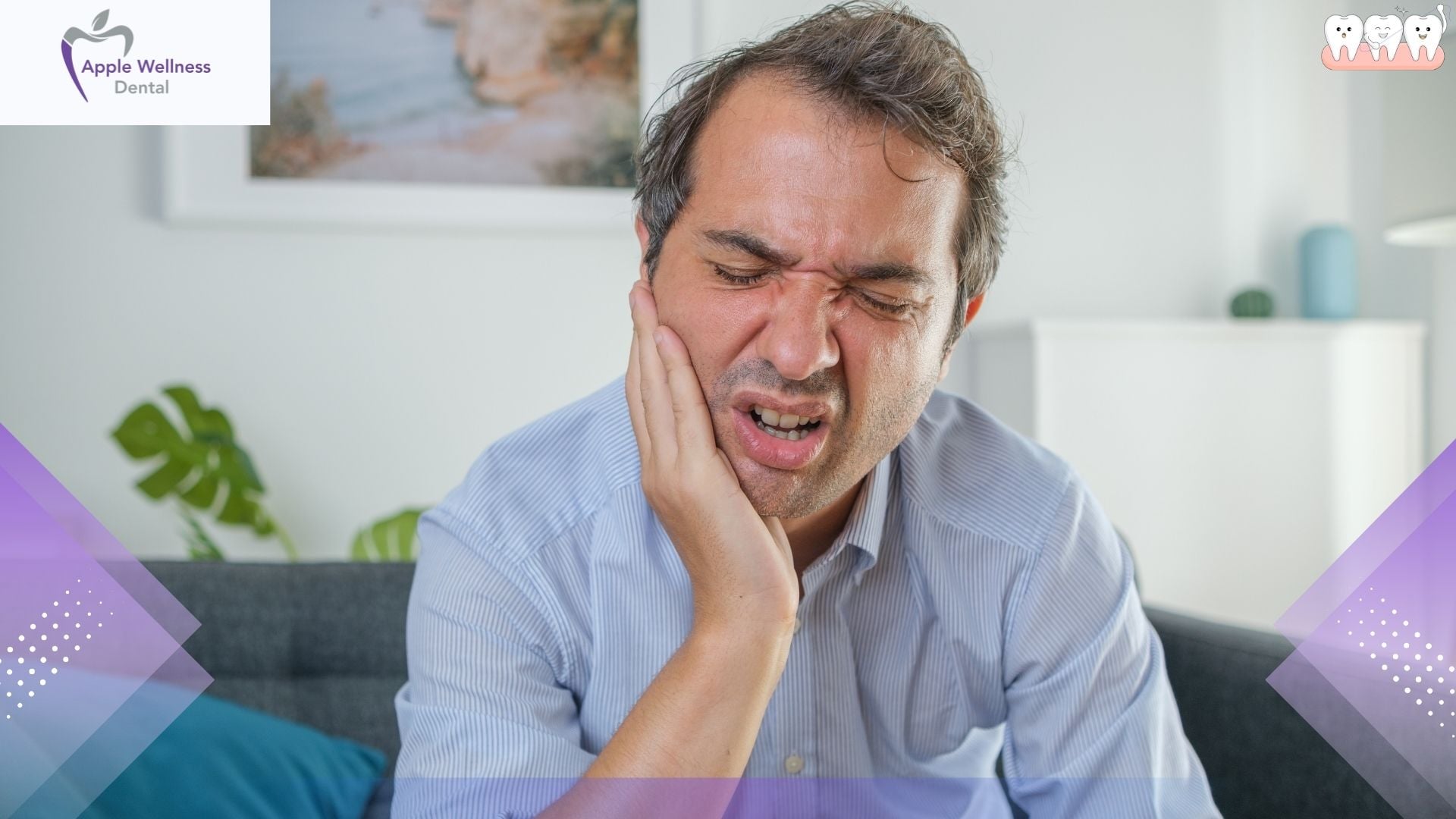
Several factors can influence the appropriate waiting period for your specific situation. Age plays a significant role, as younger patients typically heal faster than older individuals. Overall health status, including conditions like diabetes or autoimmune disorders, can affect healing times. Smoking, poor nutrition, and certain medications can also delay healing and extend the recommended waiting period, so it’s worth following your dentist’s aftercare instructions closely if any of these apply to you.
The location of the extraction site is another important consideration. Extractions in areas that are more difficult to keep clean or that experience more movement during daily activities may require longer healing periods. Wisdom tooth extractions, particularly lower wisdom teeth, often require extended recovery times due to their location and the complexity of the procedure.
It’s crucial to follow your dentist’s specific post-operative instructions and attend all scheduled follow-up appointments. During these visits, your dental provider can assess your healing progress and provide personalized guidance about when it’s safe to resume various activities, including intimate ones. Don’t hesitate to ask specific questions about your recovery timeline and any activities you’re concerned about.
Signs of Complications and When to Seek Help

Recognizing the signs of complications after tooth extraction is crucial for ensuring proper healing and avoiding serious health issues. Whether complications arise from premature resumption of activities like oral sex or from other causes, early identification and treatment are essential for optimal outcomes.
Dry socket is one of the most common complications following tooth extraction and can occur when the protective blood clot is dislodged or fails to form properly. Signs of dry socket include severe pain that typically begins 2-3 days after extraction, pain that radiates to your ear or neck, visible bone in the extraction site, bad breath, and an unpleasant taste in your mouth. The pain from dry socket is often described as throbbing or aching and may not respond well to over-the-counter pain medications.
Infection Warning Signs
Infection at the extraction site can manifest in several ways. Local signs include increased pain, swelling, redness around the extraction site, pus or unusual discharge, and persistent bad breath or taste. Systemic signs of infection may include fever, chills, swollen lymph nodes in your neck, and general feelings of illness or fatigue. If you experience any combination of these symptoms, it’s important to contact your dental provider immediately for emergency dental care.
Excessive or prolonged bleeding is another warning sign that requires attention. While some bleeding is normal for the first 24-48 hours after extraction, bleeding that continues beyond this period, increases in intensity, or resumes after initially stopping may indicate a problem. Bleeding that doesn’t respond to gentle pressure with gauze or that interferes with your ability to speak or swallow clearly warrants immediate dental attention.
Unusual swelling patterns can also indicate complications. While some swelling is expected after tooth extraction, swelling that continues to increase after the first 48-72 hours, extends significantly beyond the immediate extraction area, or is accompanied by difficulty swallowing or breathing requires prompt evaluation. Severe swelling can sometimes indicate serious infections that need immediate treatment.
At Apple Wellness Dental, we emphasize the importance of maintaining open communication with our patients throughout their recovery process. We provide detailed post-operative instructions and encourage patients to contact us with any concerns, no matter how minor they may seem. Our team is available to address questions about healing progress, pain management, and activity restrictions to ensure the best possible outcomes for every patient.
Alternative Approaches to Intimacy During Recovery
Understanding that intimacy is an important aspect of relationships, it’s helpful to explore alternative approaches that allow you to maintain physical and emotional closeness with your partner while respecting the healing requirements of your extraction site. These alternatives can help preserve relationship satisfaction during the temporary restriction period.
Non-oral forms of physical intimacy can provide satisfaction for both partners without compromising your healing process. Focus on activities that don’t involve contact with your mouth or create situations where bacteria could be introduced to your extraction site. This might include various forms of touching, massage, and other intimate activities that keep your mouth protected and uninvolved.
Communication with your partner about your recovery needs is essential for maintaining relationship harmony during this period. Explain the medical reasons for the temporary restrictions and the potential consequences of not following them properly. Most partners will be understanding and supportive when they understand that the restrictions are temporary and necessary for your health and proper healing.
Consider this recovery period as an opportunity to explore different aspects of intimacy that you might not normally prioritize. Emotional intimacy, extended foreplay, and creative approaches to physical connection can actually enhance your relationship in unexpected ways. Many couples find that working through temporary challenges together strengthens their bond and communication skills.
The temporary nature of these restrictions is important to emphasize. Unlike permanent changes or long-term medical conditions, the recovery period after tooth extraction is relatively short in the context of a long-term relationship. Focusing on the temporary nature of the situation can help both partners maintain perspective and patience during the healing process.
If you’re finding it particularly challenging to navigate intimacy during your recovery, consider speaking with a healthcare provider or counselor who can provide additional guidance and support. They may have suggestions for maintaining relationship satisfaction while prioritizing your oral health and healing needs.
Frequently Asked Questions
How long after tooth extraction can I safely perform oral sex?
Most dental professionals recommend waiting at least 7-10 days after a simple extraction, though complex extractions may require longer waiting periods. The exact timeline depends on your healing progress and should be confirmed with your dental provider during follow-up visits.
What happens if I engage in oral sex too soon after extraction?
Premature oral activity can dislodge the protective blood clot, introduce harmful bacteria, cause bleeding, and lead to complications like dry socket or infection, potentially requiring additional treatment and extending your recovery time significantly.
Can I kiss my partner after tooth extraction?
Gentle kissing that doesn’t create suction or involve the extraction site area may be acceptable after the first few days, but deep kissing should be avoided until your dentist confirms adequate healing has occurred during your post-operative checkup.
What are the signs that I’m healing properly after extraction?
Signs of proper healing include decreasing pain, minimal swelling, no excessive bleeding, formation of granulation tissue in the socket, and absence of fever or signs of infection. Regular dental examinations help monitor your progress.
Is it safe to receive oral sex if my partner has the extraction?
While this doesn’t directly affect the extraction site, it’s important to be understanding and supportive of your partner’s healing needs and any discomfort they may experience during recovery. Avoid activities that might cause them pain or anxiety about their healing process.
Can I use mouthwash before intimate contact during recovery?
Avoid alcohol-based mouthwashes and vigorous rinsing during early recovery. If your dentist approves gentle rinsing, use only prescribed or recommended oral rinses, but this doesn’t eliminate the other risks associated with oral contact during the healing period.
What should I do if I accidentally engaged in oral sex too soon after extraction?
Monitor the extraction site closely for signs of complications, avoid further contact with the area, follow your post-operative care instructions carefully, and contact your dentist if you notice any concerning symptoms like increased pain, swelling, or bleeding.
Are there any medications that can help if complications occur?
If complications develop, your dentist may prescribe antibiotics for infections, special dressings for dry socket, or stronger pain medications. Never self-medicate, and always follow professional medical guidance for any complications that arise during your recovery.
Conclusion
The question of whether you can safely perform oral sex after tooth extraction has a clear answer based on dental health principles: it’s best to wait until your dental provider confirms that adequate healing has occurred, typically 7-10 days minimum for simple extractions. This waiting period protects you from serious complications like dry socket, infection, and delayed healing that could require additional treatment and extend your recovery time significantly.
Understanding the healing process helps explain why these restrictions are necessary rather than arbitrary. Your extraction site goes through critical stages of healing that can be easily disrupted by activities involving suction, bacterial introduction, or physical trauma. The temporary inconvenience of avoiding certain activities is minimal compared to the potential consequences of complications that could affect your oral health for weeks or months.
Remember that every patient’s healing process is unique, and factors like age, overall health, the complexity of the extraction, and adherence to post-operative care instructions all influence recovery timelines. Regular communication with your dental provider and attendance at follow-up appointments ensure that you receive personalized guidance for your specific situation.
At Apple Wellness Dental, we’re committed to providing comprehensive care that addresses all aspects of your recovery, including questions about activities that might feel uncomfortable to discuss. Our team understands that proper healing requires attention to all potential risk factors, and we’re here to support you throughout your recovery process with professional, judgment-free guidance. When in doubt about any activity during your recovery, don’t hesitate to reach out to our office for clarification and support.